
Plant · GBIF taxon 5406789
Hollyhock
Alcea roseaAlso known as Common Hollyhock
Common hollyhocks produce towering flowering spires lined with broad, saucer-shaped blossoms in shades ranging from soft pink to deep maroon. Native to Asia and long naturalized across European and American landscapes, these classic cottage-garden plants rely on long taproots to anchor themselves in dry, sunny soil. Bumblebees frequently crawl deep inside the prominent central stamen column, emerging coated in dusty yellow pollen.
FloweringGarden FavoriteBiennial
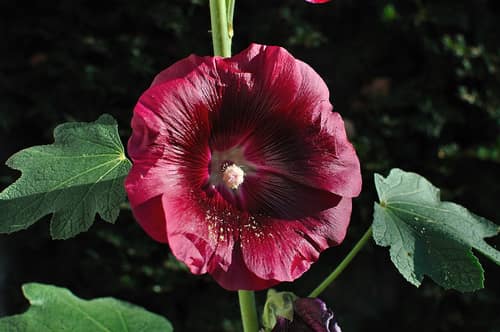
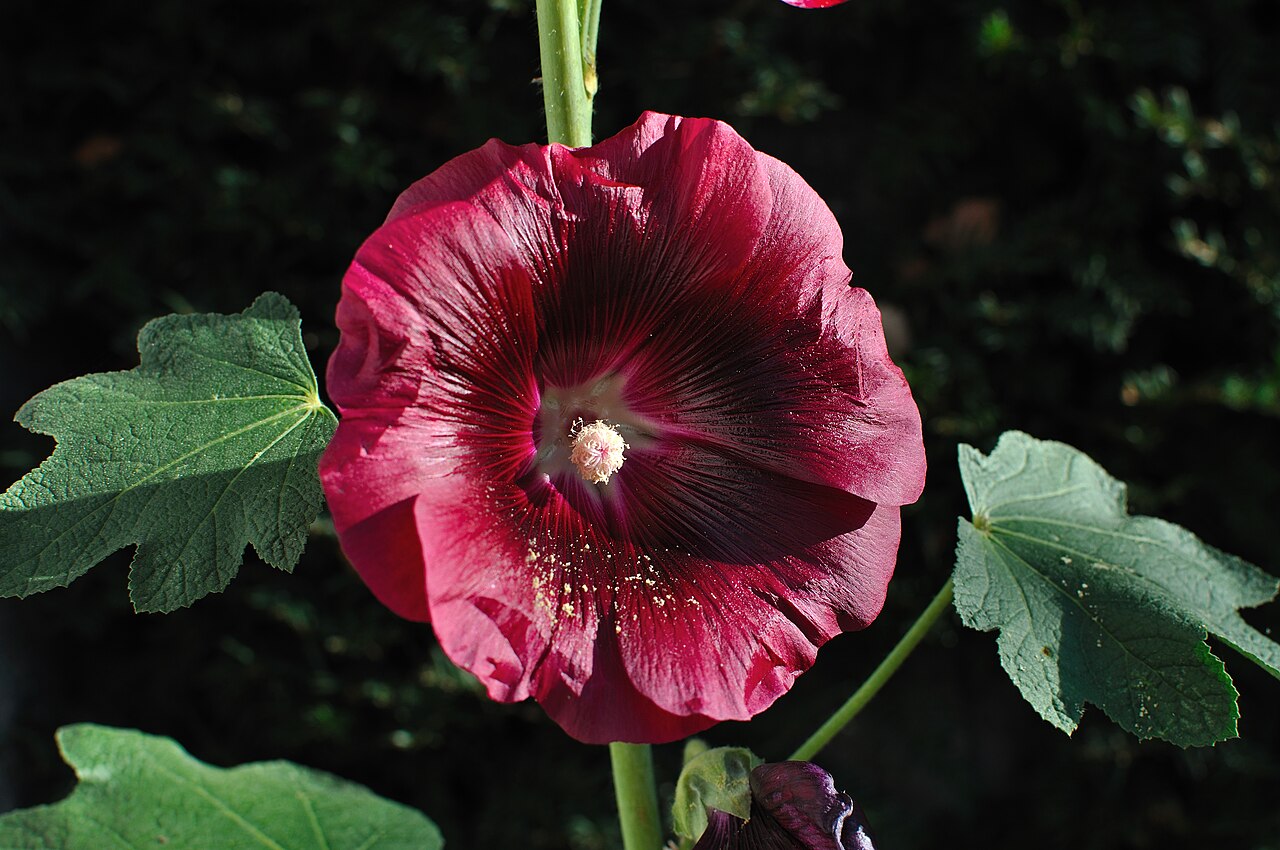
—observations
—countries
—peak records
Not EvaluatedConservation statusIUCN Red List categoriesLCNTVUENCREWEXNot Evaluated — not placed on the risk ladderRed List categories, explained →
Diet & prey
- Sunlight
- Soil Minerals
- Water
Predators
- Japanese Beetles
- Slugs and Snails
- Hollyhock Weevils
ThreatsHollyhock rust fungus, Japanese beetles, spider mites
HabitatsGardens, roadsides, disturbed ground, temperate landscapes
Life spanBiennial or short-lived perennial (2–3 years)
Size / weightNot available
Classification
- OrderMalvales
- FamilyMalvaceae
- GenusAlcea
- SpeciesAlcea rosea
Range data is not available yet.
Interaction riskLow
- Low
- Moderate
- High
- Very high
- Why interaction risk is low
- Safe to observe at a normal distance.
Responsible observation
- Spotting Rust: Inspect leaf undersides for orange-brown fungal pustules during wet summer weather.
- Garden Care: Provide sturdy stakes or plant near walls to protect tall stalks from wind damage.
- Pollinator Watching: Look inside open blossoms on sunny mornings to spot foraging bumblebees.
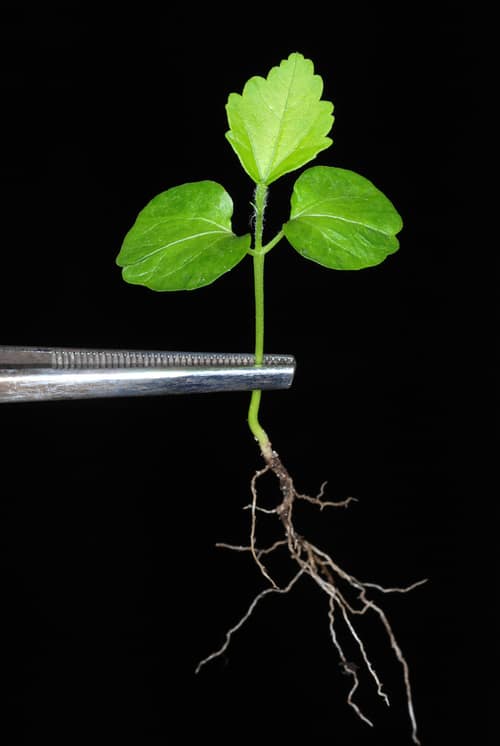
Mallow Cousin (c) Douglas Goldman, some rights reserved (CC BY-SA), uploaded by Douglas Goldman · cc-by-sa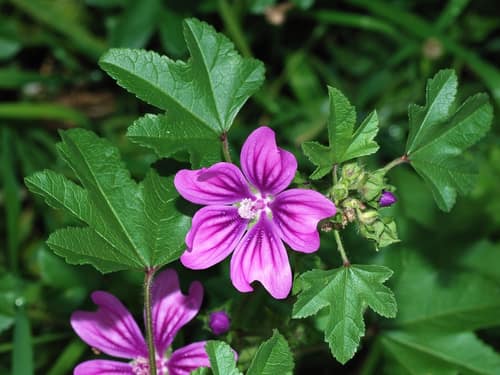
Family Relative (c) Alvesgaspar, some rights reserved (CC BY-SA) · cc-by-sa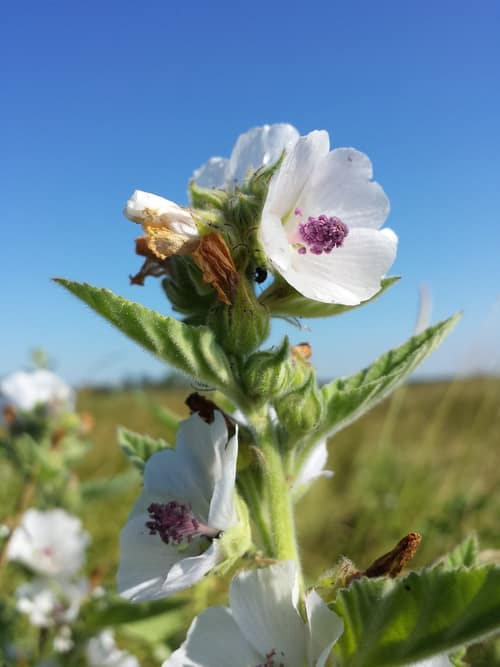
Close Relative (c) Stefan.lefnaer, some rights reserved (CC BY-SA) · cc-by-sa
Help improve the field guideSomething wrong?
Checking your Fauna account…Report a name, category, or profile issue for review.