
Plant · GBIF taxon 5404194
Snow Lotus
Saussurea involucrataAlso known as Tianshan Snow Lotus, Xinjiang Snow Lotus, Xue Lian
Tianshan snow lotus endures the freeze-thaw environment of high-altitude Asian mountain scree by surrounding its dark purplish flower heads with translucent, lantern-like bracts. These papery bracts trap solar warmth like a micro-greenhouse, keeping internal temperatures elevated enough to protect pollen in sub-zero winds. After spending five to seven years maturing into its single blooming event, the plant sets seed and dies, leaving wild populations vulnerable to overharvesting.
AlpineRareFlowering
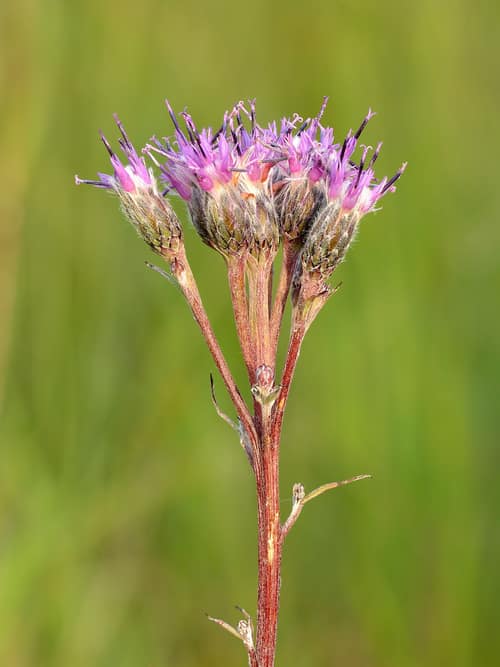
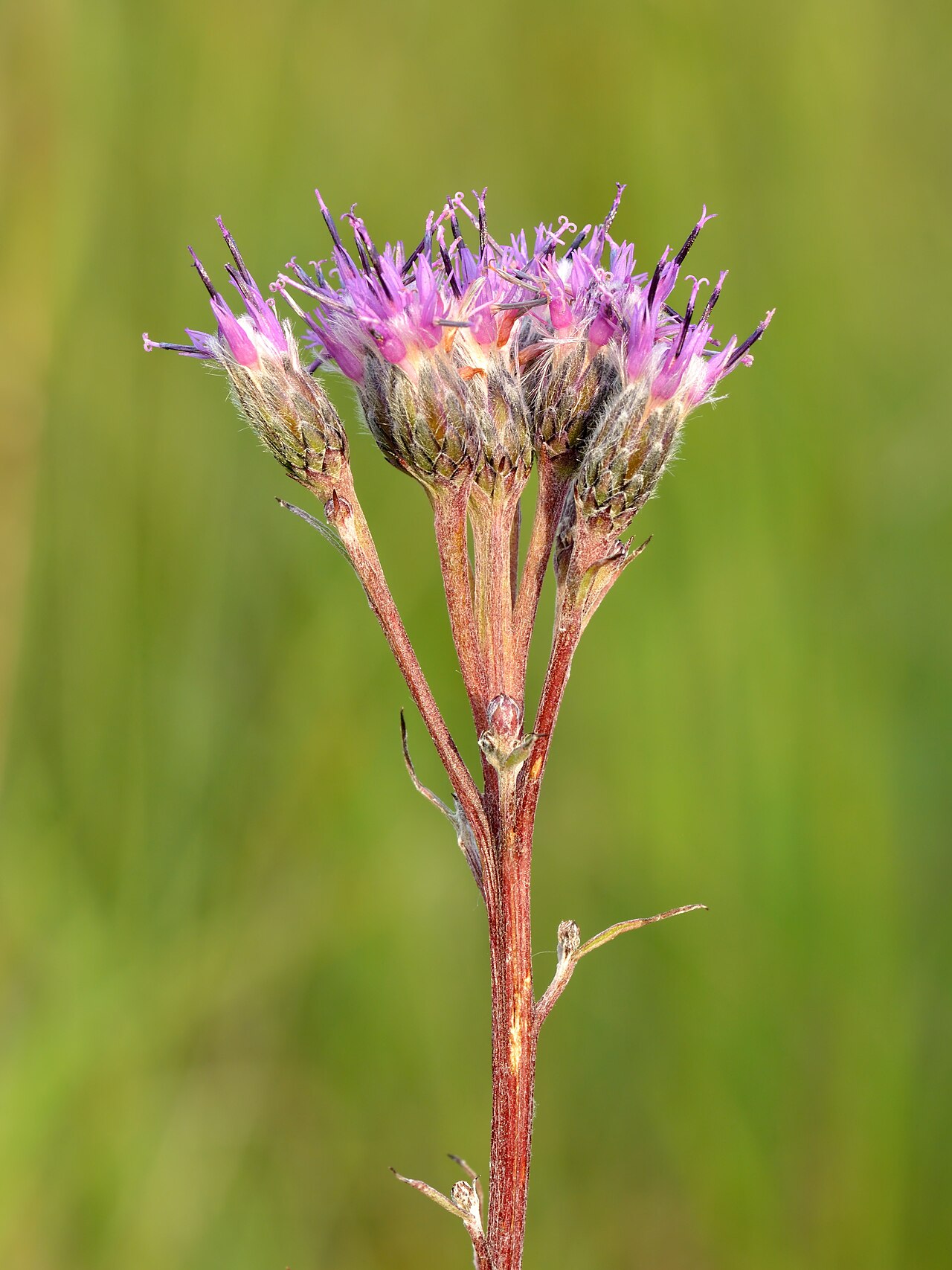
Licensed referenceIvar Leidus / CC BY-SA 4.0 · cc-by-sa
—observations
—countries
—peak records
VulnerableConservation statusIUCN Red List categoriesLCNTVUENCREWEXVulnerableRed List categories, explained →
Diet & prey
- Autotrophic
Predators
- Alpine caterpillars
- Pikas
- Argali sheep
ThreatsOverharvesting for traditional medicine, climate change, habitat degradation
HabitatsAlpine scree, rocky slopes, mountain cliffs above 3000 m
Life span5–7 years
Classification
- FamilyAsteraceae
- SpeciesSaussurea involucrata
Range data is not available yet.
Interaction riskLow
- Low
- Moderate
- High
- Very high
- Why interaction risk is low
- Safe to observe from a distance; refrain from picking wild specimens.
- What to notice
- Look for a low-growing alpine herb featuring translucent, pale yellowish bracts wrapped around a dark purple central flower head.
- Support conservation
- Observe strictly from a distance without touching, picking, or trampling the fragile alpine soil around the roots.
Responsible observation
- Observation: Photograph from established trails without stepping on fragile alpine scree.
- Ethical Choice: Refrain from purchasing wild-harvested specimens or related medicinal products.
- Timing: Look for blooming individuals during peak alpine summer in July and August.
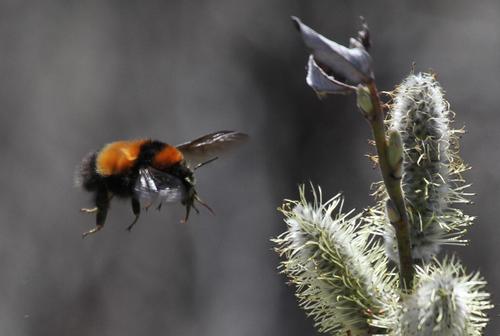
Pollinator (c) Jan Ove Gjershaug/Norsk institutt for naturforskning, some rights reserved (CC BY) · cc-by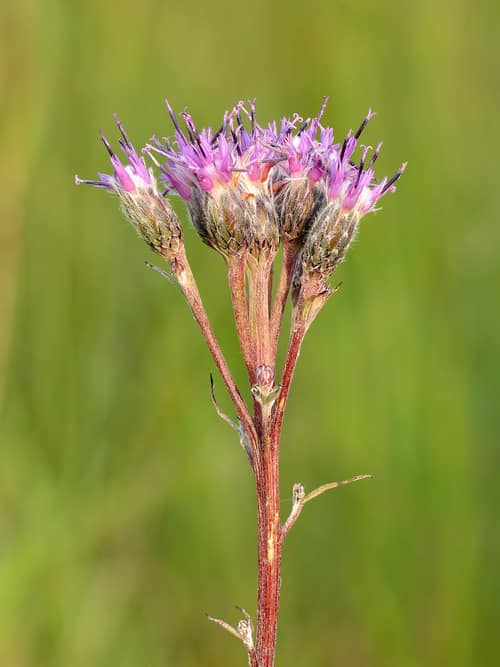
Close Relative Ivar Leidus / CC BY-SA 4.0 · cc-by-sa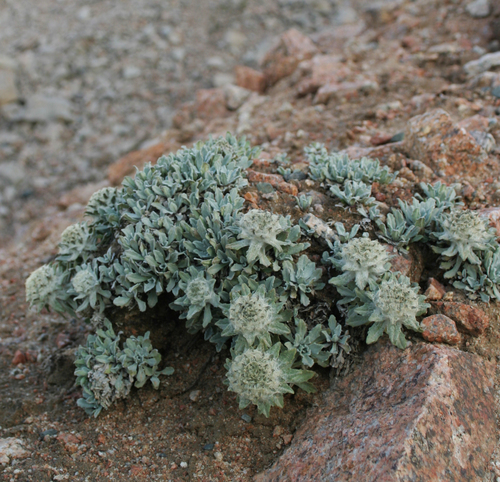
Close Relative (c) Oleg Kosterin, some rights reserved (CC BY) · cc-by
Help improve the field guideSomething wrong?
Checking your Fauna account…Report a name, category, or profile issue for review.