
Plant
Snow Lotus
Saussurea involucrataAlso known as Tianshan Snow Lotus, Xinjiang Snow Lotus, Xue Lian
Tianshan snow lotus endures the freeze-thaw environment of high-altitude Asian mountain scree by surrounding its dark purplish flower heads with translucent, lantern-like bracts. These papery bracts trap solar warmth like a micro-greenhouse, keeping internal temperatures elevated enough to protect pollen in sub-zero winds. After spending five to seven years maturing into its single blooming event, the plant sets seed and dies, leaving wild populations vulnerable to overharvesting.
AlpineRareFlowering
—observations
—countries
—peak records
VulnerableConservation statusIUCN Red List categoriesLCNTVUENCREWEXVulnerableRed List categories, explained →
Diet & preyAutotrophic
Predators
- Alpine caterpillars
- Pikas
- Argali sheep
ThreatsOverharvesting for traditional medicine, climate change, habitat degradation
HabitatsAlpine scree, rocky slopes, mountain cliffs above 3000 m
Life span5–7 years
Classification
- FamilyAsteraceae
- SpeciesSaussurea involucrata
Range data is not available yet.
Interaction riskLow
- Low
- Moderate
- High
- Very high
- Why interaction risk is low
- Safe to observe from a distance; refrain from picking wild specimens.
- What to notice
- Look for a low-growing alpine herb featuring translucent, pale yellowish bracts wrapped around a dark purple central flower head.
- Support conservation
- Observe strictly from a distance without touching, picking, or trampling the fragile alpine soil around the roots.
Responsible observation
- Observation: Photograph from established trails without stepping on fragile alpine scree.
- Ethical Choice: Refrain from purchasing wild-harvested specimens or related medicinal products.
- Timing: Look for blooming individuals during peak alpine summer in July and August.
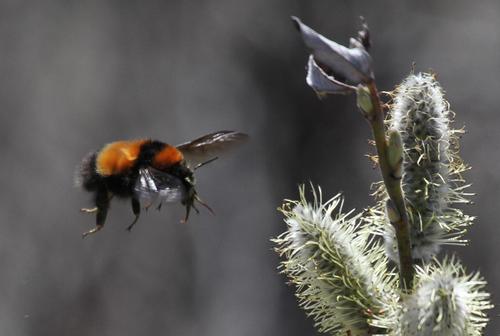
Pollinator (c) Jan Ove Gjershaug/Norsk institutt for naturforskning, some rights reserved (CC BY) · cc-by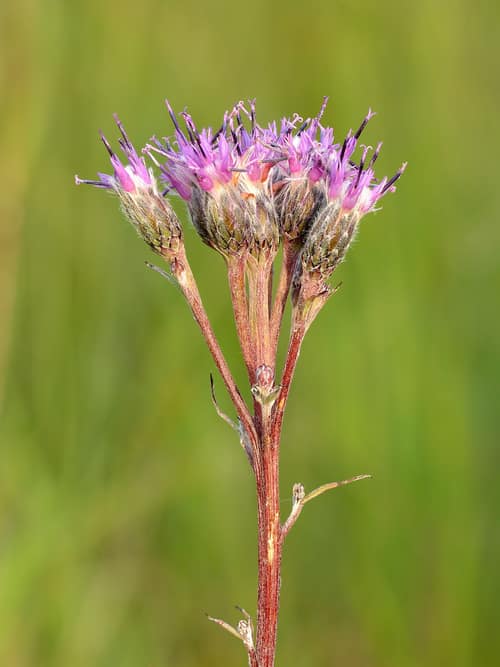
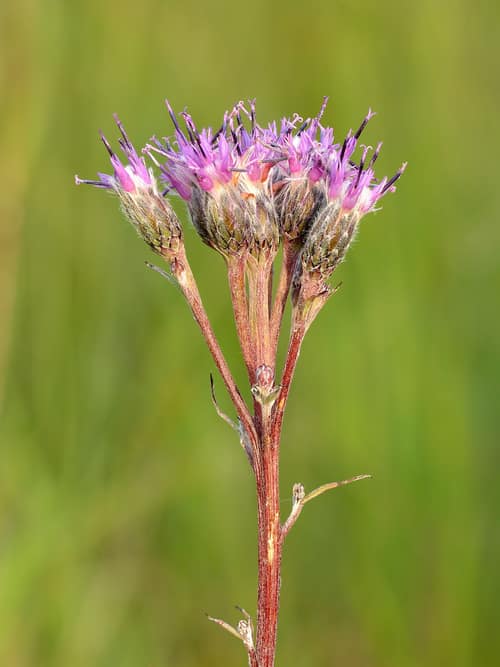
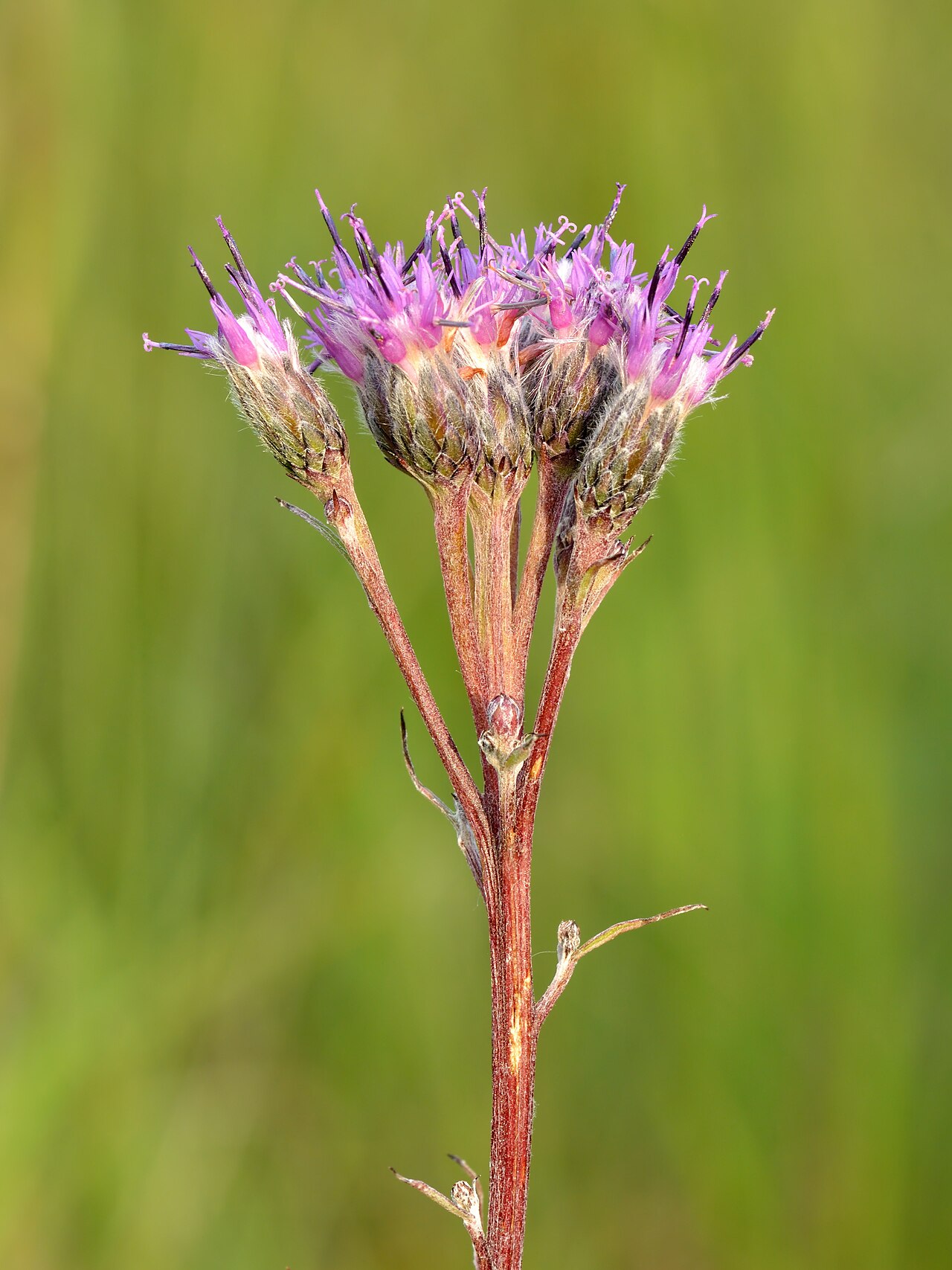
Close Relative Ivar Leidus / CC BY-SA 4.0 · cc-by-sa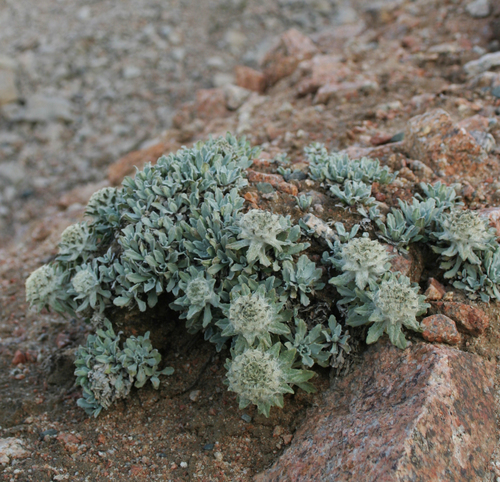
Close Relative (c) Oleg Kosterin, some rights reserved (CC BY) · cc-by
Help improve the field guideSomething wrong?
Checking your Fauna account…Report a name, category, or profile issue for review.