
Plant
Dogfennel
Eupatorium capillifoliumAlso known as Dog Fennel, Summer Cedar
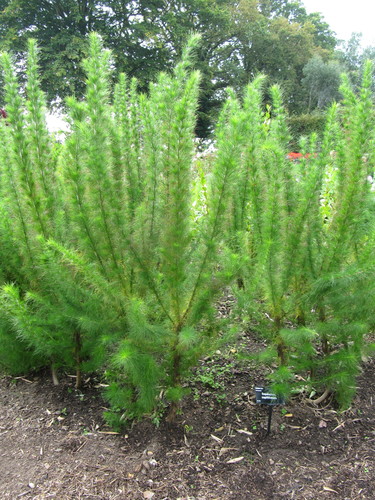
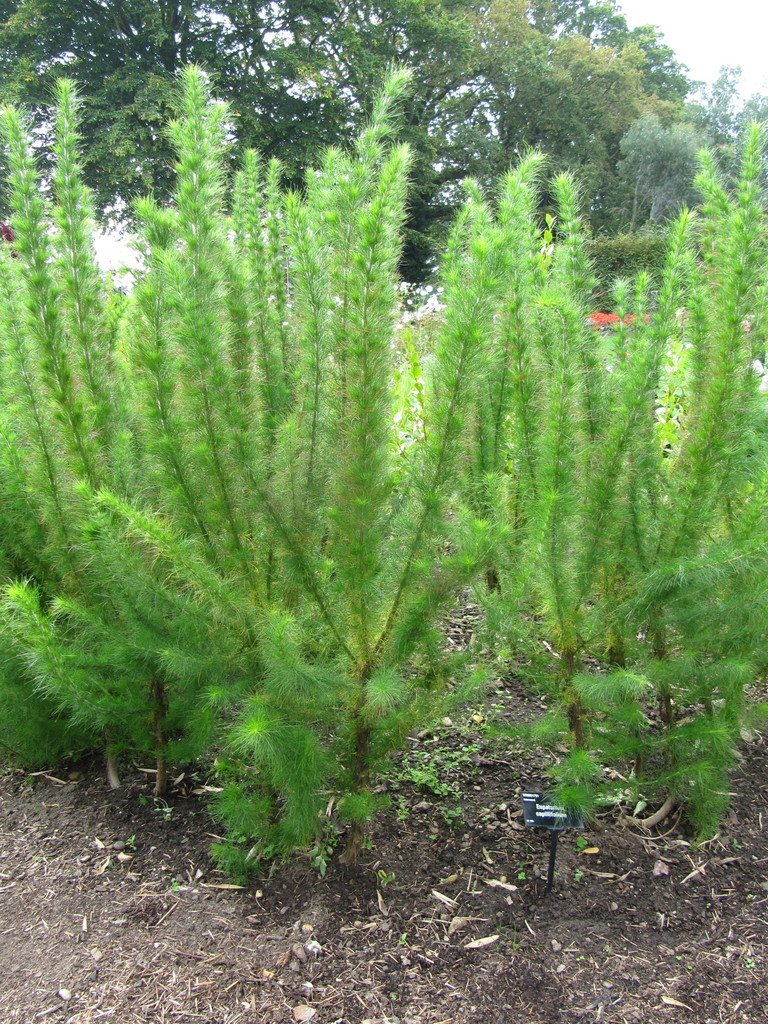
Dogfennel forms tall, feathery thickets along disturbed fields, pastures, and roadsides throughout the eastern United States. Its finely dissected, thread-like leaves release a sharp, dill-pickle aroma when bruised or crushed. Late in the summer, plants produce sprawling plumes of tiny cream-colored flower heads that attract a variety of small native pollinators.
AromaticFeatheryWeedy
—observations
—countries
—peak records
Least ConcernConservation statusIUCN Red List categoriesLCNTVUENCREWEXLeast ConcernRed List categories, explained →
Diet & preySunlight, Soil nutrients, Water
Predators
- Grasshoppers
- Caterpillars
- Herbivorous beetles
ThreatsMowing and herbicide application
HabitatsOld fields, pastures, roadsides, clearings, and disturbed grounds
Life spanPerennial
Classification
- OrderAsterales
- FamilyAsteraceae
- GenusEupatorium
- SpeciesEupatorium capillifolium
Range data is not available yet.
Interaction riskHigh
- Low
- Moderate
- High
- Very high
- Why interaction risk is high
- Contains liver-damaging pyrrolizidine alkaloids; avoid ingestion and keep away from livestock.
- Why it is dangerous
- Contains hepatotoxic pyrrolizidine alkaloids that cause serious liver damage in livestock and domestic animals if consumed.
- How to recognize a risky encounter
- Look for tall green stalks densely clothed in delicate, thread-like leaves that smell sharply of dill when bruised.
- What to do
- Never consume any part of the plant, and clear dense stands from areas accessible to horses or cattle.
Responsible observation
- Identify by scent: Gently crush a leaf tip to check for its signature dill-pickle odor.
- Observe pollinators: Look closely at late-summer floral plumes for small native bees and flies.
- Check pasture borders: Search disturbed field edges where dense feathery colonies quickly take root.
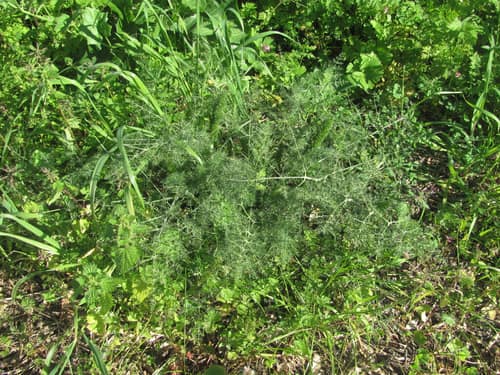
Superficial Look-alike (c) zebedeugalinha, some rights reserved (CC BY) · cc-by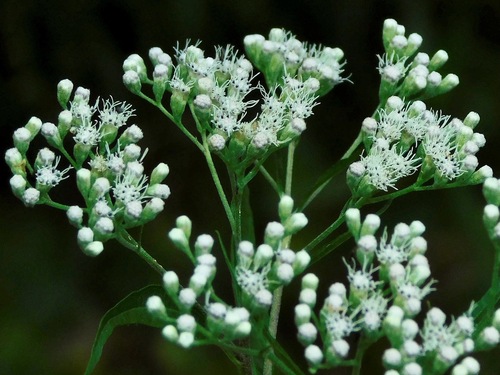
Close Relative (c) Michael J. Papay, some rights reserved (CC BY), uploaded by Michael J. Papay · cc-by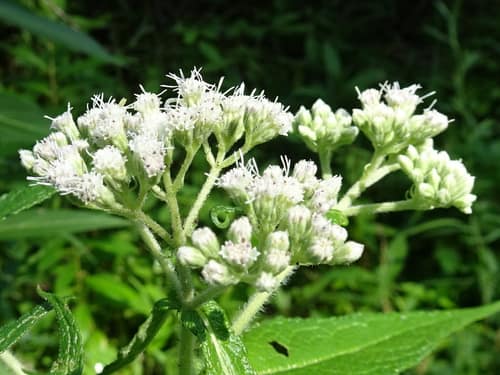
Close Relative (c) Thomas Koffel, some rights reserved (CC BY), uploaded by Thomas Koffel · cc-by
Help improve the field guideSomething wrong?
Checking your Fauna account…Report a name, category, or profile issue for review.