
Plant · GBIF taxon 5402420
Vegetable Sheep
Raoulia eximiaAlso known as Tutāhuna, True Vegetable Sheep
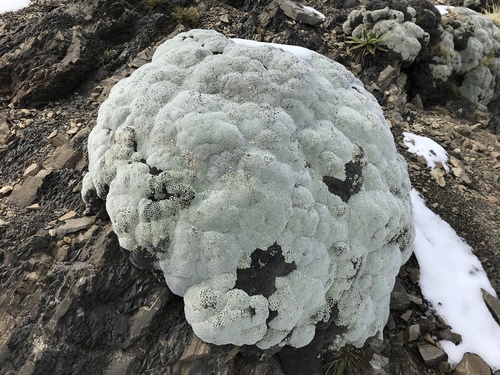
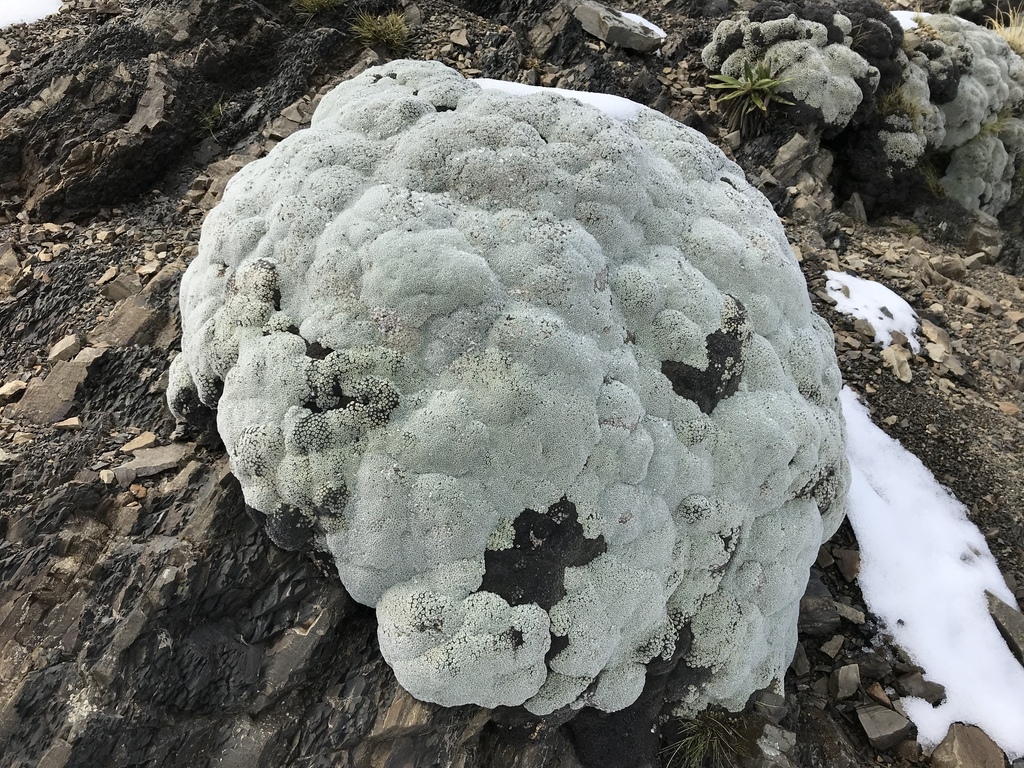
Clinging to wind-swept South Island ridges, vegetable sheep form extremely dense woolly cushions that closely mimic grazing livestock from a distance. Thousands of tiny, hair-covered shoots pack together to store warmth, reduce moisture loss, and trap organic matter in harsh alpine environments. These long-lived mounds grow only a few millimeters each year, creating tiny self-contained micro-ecosystems above the tree line.
AlpineCushion PlantEndemic
 1 / 7
1 / 7—observations
—countries
—peak records
Not EvaluatedConservation statusIUCN Red List categoriesLCNTVUENCREWEXNot Evaluated — not placed on the risk ladderRed List categories, explained →
Diet & prey
- Autotrophic (Photosynthesis)
Predators
- Chamois
- Himalayan Tahr
- Hares
ThreatsClimate change, invasive mammalian grazers, trampling by alpine hikers
HabitatsAlpine scree slopes, exposed rocky ridges, high-altitude fellfields
Life span50–100+ years
Size / weightNot available
Classification
- FamilyAsteraceae
- SpeciesRaoulia eximia
Range data is not available yet.
Interaction riskLow
- Low
- Moderate
- High
- Very high
- Why interaction risk is low
- Safe to observe at a normal distance.
- What to notice
- Recognizable as huge, pale grey or yellowish woolly mounds hugging exposed rocky ridges.
- Support conservation
- Observe from established hiking paths and avoid touching or resting gear on the slow-growing cushions.
Responsible observation
- Viewing Distance: Keep to marked tracks to avoid stepping on brittle cushion structures that take decades to recover.
- Observation Timing: Look for delicate yellowish flower heads embedded in the tightly packed tips during mid-summer.
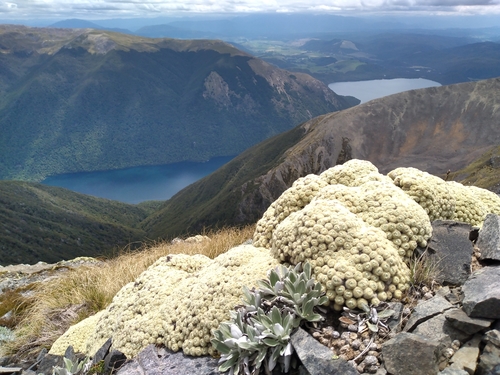
Ecosystem Neighbor (c) Leon Perrie, some rights reserved (CC BY), uploaded by Leon Perrie · cc-by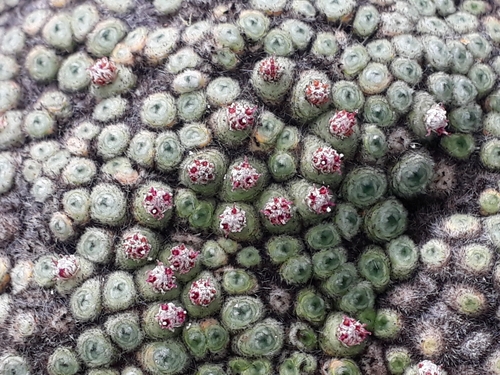
Close Relative (c) Leon Perrie, some rights reserved (CC BY), uploaded by Leon Perrie · cc-by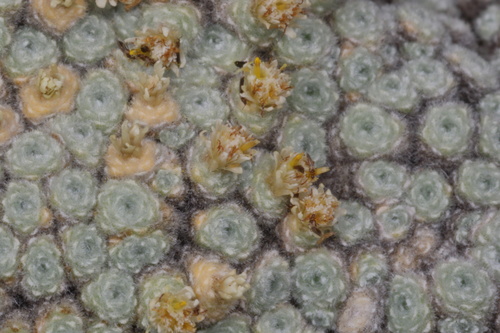
Close Relative (c) Jacob Littlejohn, some rights reserved (CC BY-SA), uploaded by Jacob Littlejohn · cc-by-sa
Help improve the field guideSomething wrong?
Checking your Fauna account…Report a name, category, or profile issue for review.