
Flower · GBIF taxon 5401971
Camphorweed
Heterotheca subaxillarisAlso known as Camphor Daisy, Golden Aster
Camphorweed is a robust annual or biennial wildflower that colonizes sandy soils, coastal dunes, and disturbed roadsides across central and southern North America. Crushed leaves release an unmistakable, pungent aroma reminiscent of camphor or turpentine, an adaptation that deters many mammalian herbivores. Flowering abundantly from late summer until the first hard frost, its golden-yellow daisy heads serve as vital late-season nectar stations for migrating butterflies and solitary bees.
AromaticFloweringCoastal
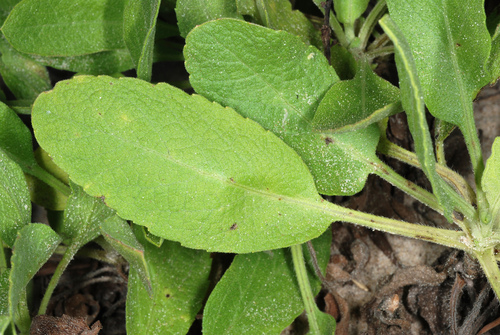
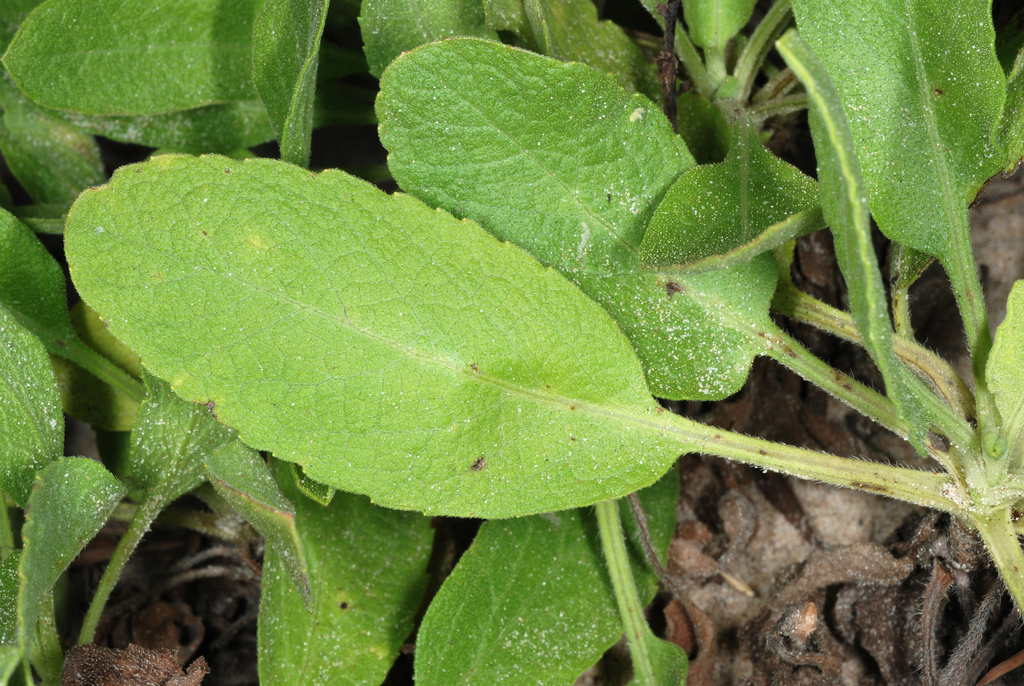 1 / 7
1 / 7—observations
—countries
—peak records
Least ConcernConservation statusIUCN Red List categoriesLCNTVUENCREWEXLeast ConcernRed List categories, explained →
Diet & prey
- Autotrophic (Photosynthetic)
Predators
- Grasshoppers
- Aphids
- White-tailed Deer
ThreatsHerbicide application along road corridors and conversion of coastal open spaces
HabitatsCoastal sand dunes, open sandy fields, prairies, roadsides, and disturbed grounds
Life span1–2 years (annual or biennial)
Size / weightNot available
Classification
- OrderAsterales
- FamilyAsteraceae
- GenusHeterotheca
- SpeciesHeterotheca subaxillaris
Range data is not available yet.
Interaction riskLow
- Low
- Moderate
- High
- Very high
- Why interaction risk is low
- Safe to observe at a normal distance.
Responsible observation
- Scent identification: Gently brush or pinch a leaf to detect the distinctive medicinal camphor odor.
- Pollinator viewing: Watch flower clusters on sunny autumn afternoons when migrating butterflies congregate.
- Dune preservation: Stay on established boardwalks when observing coastal specimens to protect fragile sand dunes.
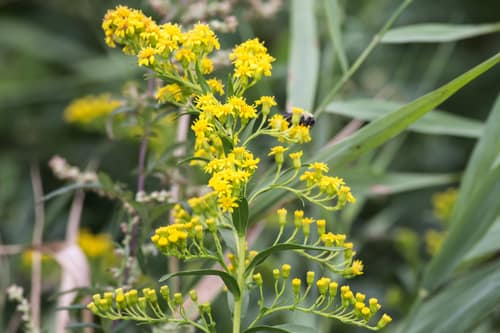
Frequent Companion (c) Bill Keim, some rights reserved (CC BY) · cc-by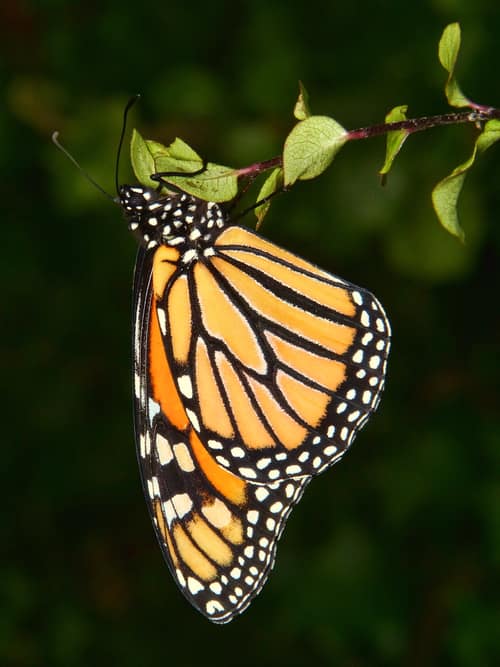
Pollinator Sid Mosdell from New Zealand / CC BY 2.0 · cc-by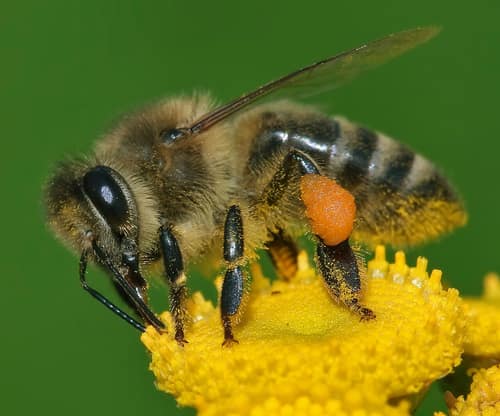
Pollinator Andreas Trepte / CC BY-SA 2.5 · cc-by-sa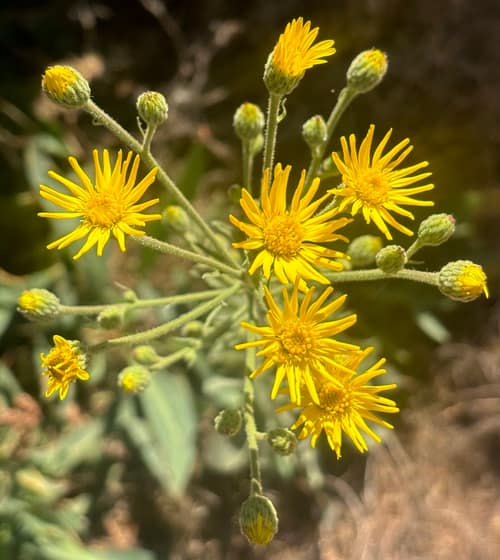
Close Relative (c) Skyler K, some rights reserved (CC BY), uploaded by Skyler K · cc-by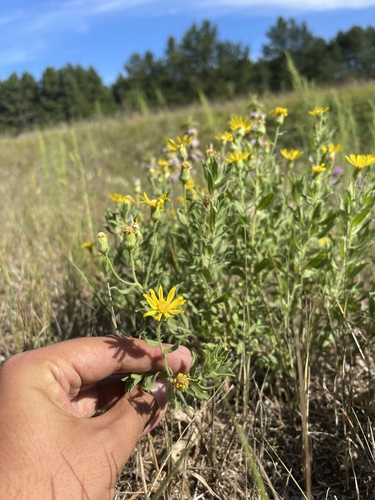
Close Relative (c) Brandon Corder, some rights reserved (CC BY) · cc-by
Help improve the field guideSomething wrong?
Checking your Fauna account…Report a name, category, or profile issue for review.