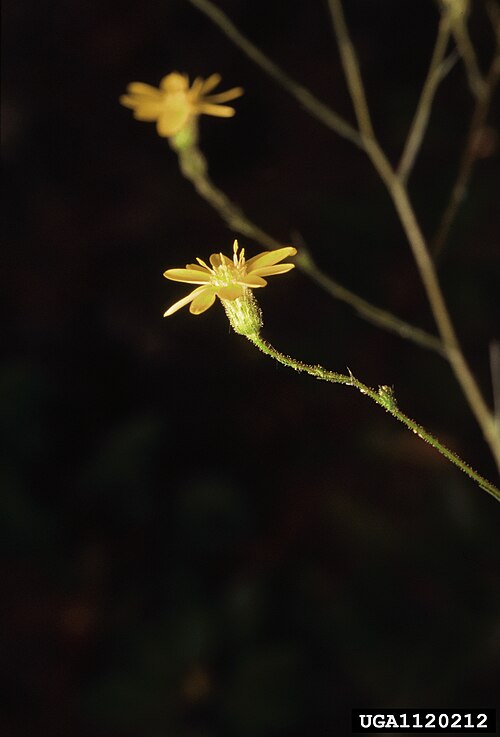
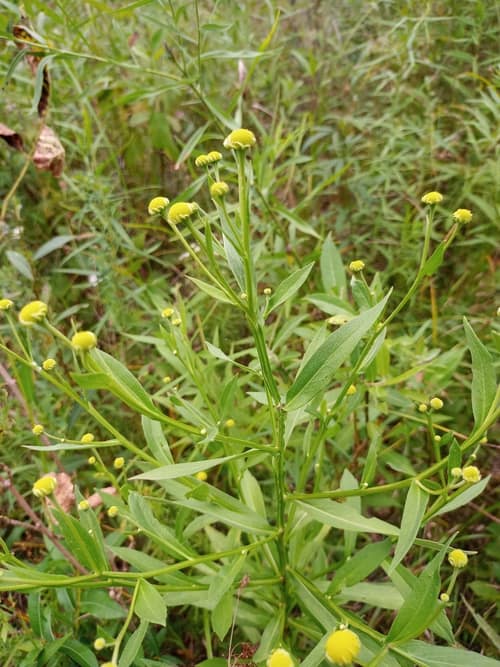
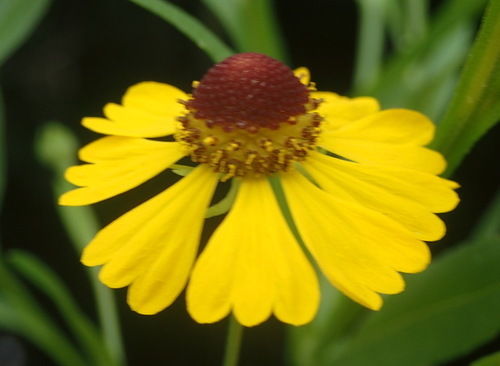
Also known as Yellowdicks, Yellow Sneezeweed, Fiveleaf Sneezeweed, Bitter Sneezeweed
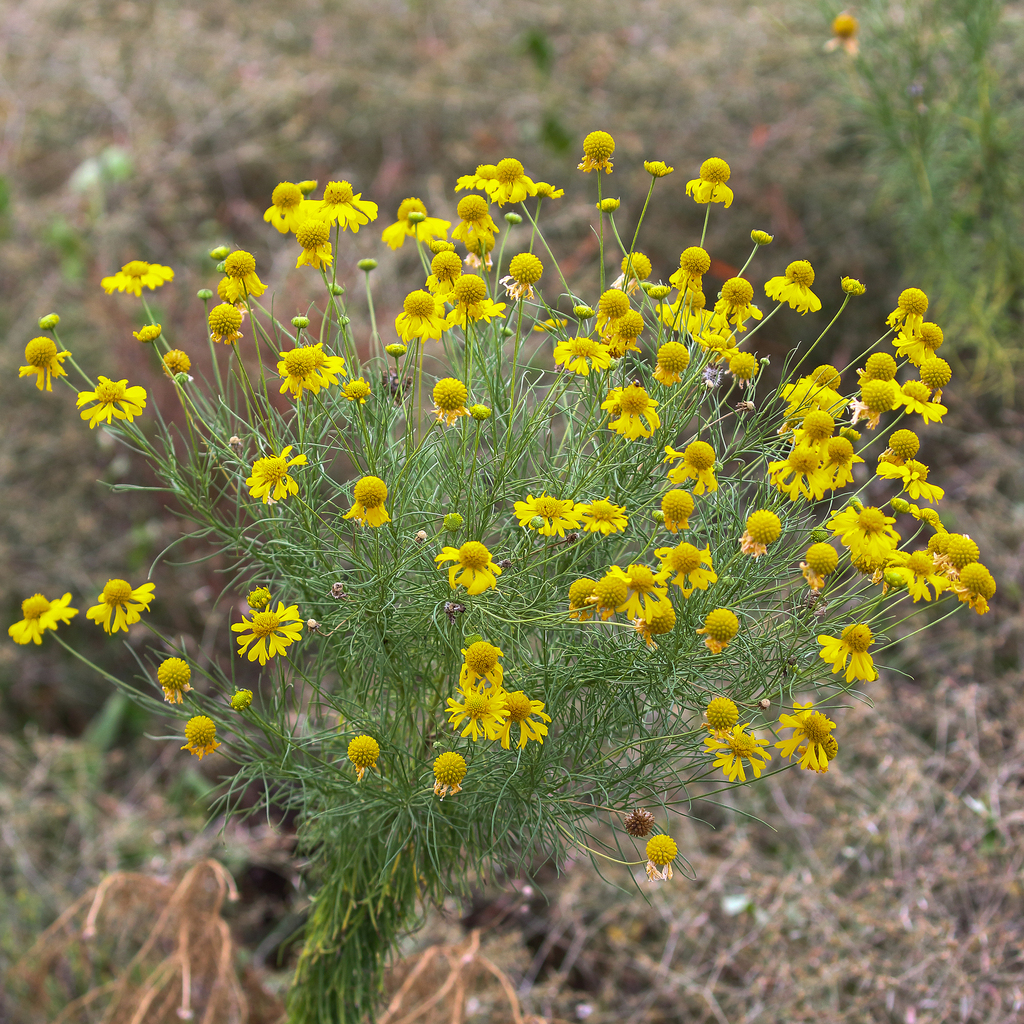
Bitterweed is a bushy, sun-loving annual wildflower known for carpeted displays of golden yellow blossoms across pastures, roadsides, and disturbed fields. Its fine, threadlike foliage contains bitter sesquiterpene lactones that repel grazing livestock and taint the milk of cows that feed on it. During late summer and autumn, the profuse blooms provide a reliable nectar source for native bees, wasps, and butterflies.
Not EvaluatedConservation statusIUCN Red List categoriesLCNTVUENCREWEXNot Evaluated — not placed on the risk ladderRed List categories, explained →
Key facts
Diet & prey
Autotrophic (photosynthetic)
Predators
Aphids
Spittlebugs
Flea Beetles
ThreatsPasture management and widespread herbicide use
HabitatsPastures, roadsides, fallow fields, disturbed grasslands, and open woodlands
Life spanAnnual (under 1 year)
Classification
OrderAsterales
FamilyAsteraceae
GenusHelenium
SpeciesHelenium amarum
Range & activity
Range data is not available yet.
Safe observation
Interaction riskHigh
Low
Moderate
High
Very high
Why interaction risk is high
Toxic to livestock and domestic animals if eaten; causes digestive illness and bitter milk.
Why it is dangerous
Contains tenulin and other sesquiterpene lactones that irritate mucous membranes, damage organ tissue, and cause severe digestive illness in grazing animals and pets.
How to recognize a risky encounter
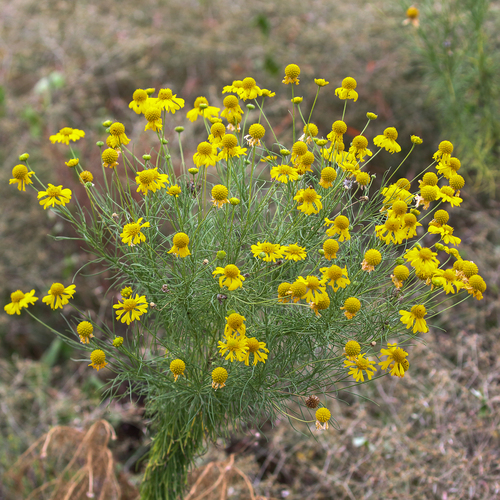
Look for dome-shaped yellow flower centers with drooping notched petals and slender, almost needle-like foliage along branched stems.
What to do
Do not let livestock or pets browse dense stands, and wear gardening gloves when hand-pulling to prevent skin irritation.
Responsible observation
Pasture Caution: Prevent horses, cattle, and sheep from grazing in dense patches to avoid poisoning.
Identification: Note the numerous threadlike leaves that distinguish it from other yellow composite wildflowers.

 1 / 7
1 / 7