
Plant · GBIF taxon 5400552
White Snakeroot
Ageratina altissimaAlso known as Richweed, White Sanicle
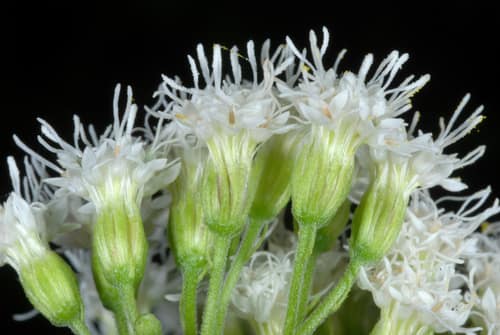
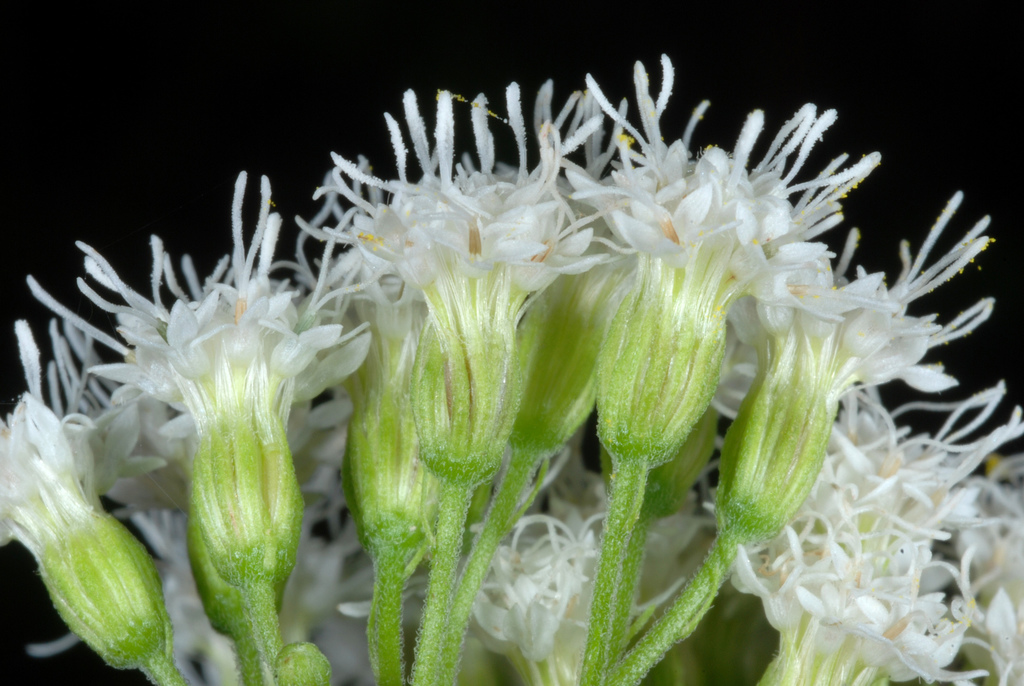
White snakeroot blooms in late summer and autumn, blanketing shaded eastern forests and woodland edges with dense clusters of fluffy, snow-white flower heads. Its sharply toothed, heart-shaped leaves contain tremetol, a dangerous toxin that historical grazing cattle passed into milk supplies, causing fatal milk sickness in early settlement communities. Today, these native perennials serve as vital late-season pollen sources for native bees and butterflies seeking nectar before winter.
ToxicWildflowerFall Bloomer
 1 / 7
1 / 7—observations
—countries
—peak records
Least ConcernConservation statusIUCN Red List categoriesLCNTVUENCREWEXLeast ConcernRed List categories, explained →
Diet & prey
- Autotrophic
Predators
- Leaf-miner flies
- Aphids
- Specialist beetles
ThreatsLand development, invasive plant competition
HabitatsRich woods, forest borders, thickets, shaded pastures
Life spanPerennial (5–10+ years)
Size / weightNot available
Classification
- OrderAsterales
- FamilyAsteraceae
- GenusAgeratina
- SpeciesAgeratina altissima
Range data is not available yet.
Interaction riskHigh
- Low
- Moderate
- High
- Very high
- Why interaction risk is high
- Contains toxic tremetol, causing severe poisoning if ingested; keep livestock away and do not consume.
- Why it is dangerous
- Contains the toxin tremetol, which causes severe trembling, liver damage, and fatal milk sickness if consumed directly or through animal milk.
- How to recognize a risky encounter
- Recognize its flat-topped fuzzy white flower heads and opposite, heart-shaped, coarsely toothed leaves in shaded woods.
- What to do
- Never ingest any part of the plant and keep livestock from grazing in pastures containing established stands.
Responsible observation
- Identification: Look for bright white flower clusters topping opposite, coarsely toothed, heart-shaped leaves.
- Safety: Avoid harvesting or allowing livestock to graze near dense patches due to tremetol toxicity.
- Wildlife Watching: Observe late-season pollinators visiting the flowers on warm autumn afternoons.
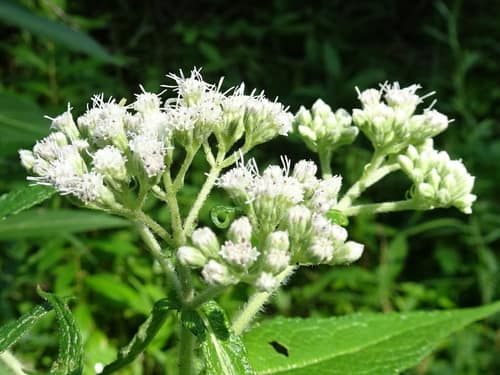
Close Relative (c) Thomas Koffel, some rights reserved (CC BY), uploaded by Thomas Koffel · cc-by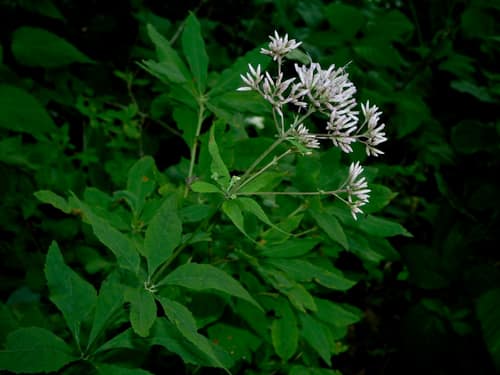
Family Member (c) Michael J. Papay, some rights reserved (CC BY), uploaded by Michael J. Papay · cc-by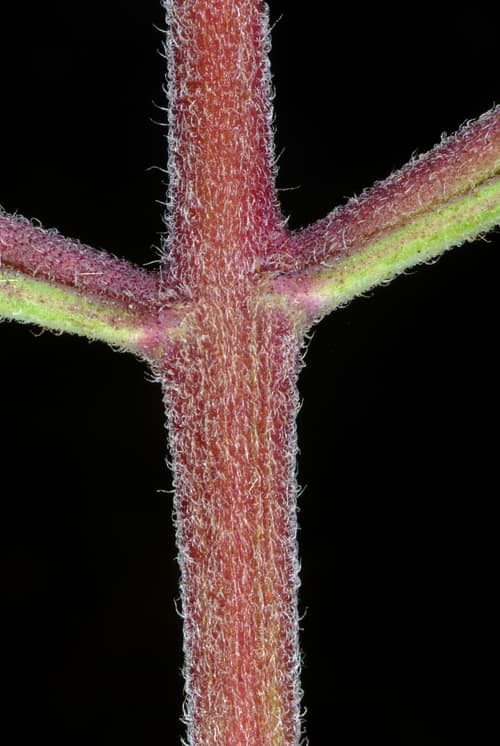
Family Member (c) Douglas Goldman, some rights reserved (CC BY-SA), uploaded by Douglas Goldman · cc-by-sa
Help improve the field guideSomething wrong?
Checking your Fauna account…Report a name, category, or profile issue for review.