
Flower
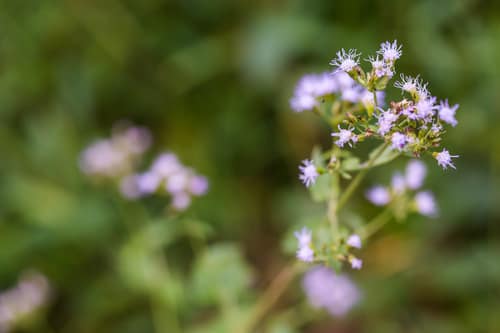
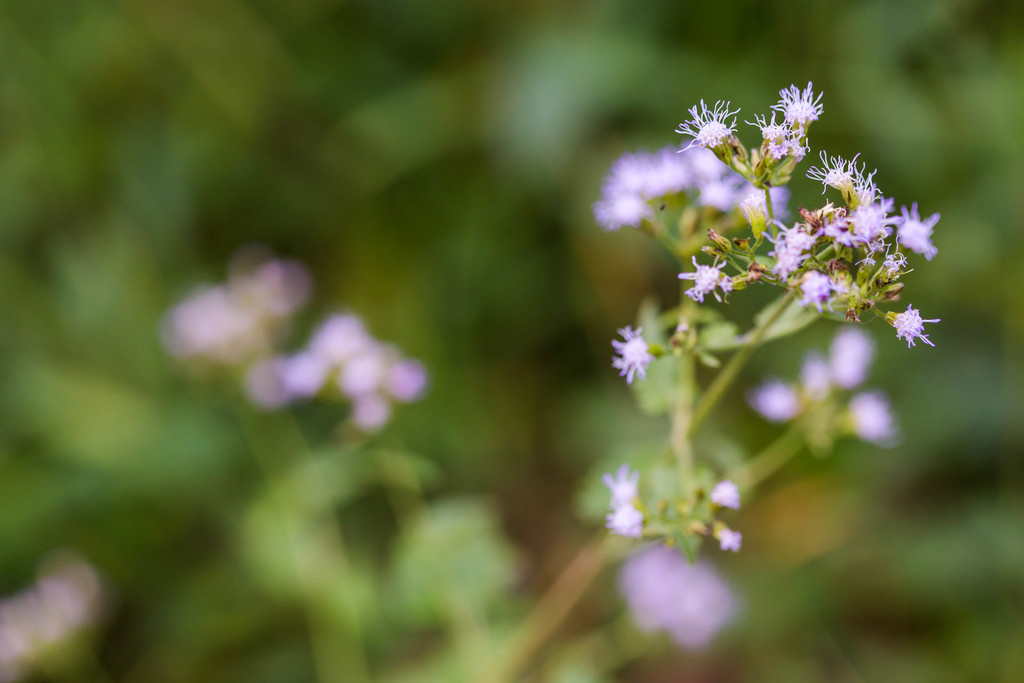
Pink Thoroughwort
Fleischmannia incarnataAlso known as Pink Slender-thoroughwort, Pink Boneset
Pink thoroughwort brightens deciduous woodlands each autumn with airy clusters of lilac to soft pink flower heads that lack showy rays. Its slender, multi-branched stems often recline through neighboring vegetation before arching upward along damp stream terraces and shaded trails. The nectar-rich blossoms offer a vital late-season energy reserve for migrating butterflies, long-tongued bees, and flower flies.
Autumn BloomerWoodland WildflowerPollinator Attractor
—observations
—countries
—peak records
Not EvaluatedConservation statusIUCN Red List categoriesLCNTVUENCREWEXNot Evaluated — not placed on the risk ladderRed List categories, explained →
Diet & preyAutotrophic (photosynthesis)
Predators
- White-tailed deer
- Eastern cottontail
ThreatsCanopy destruction, habitat fragmentation, and aggressive non-native weeds
HabitatsRich deciduous forests, stream banks, shaded limestone bluffs, and thickets
Life spanPerennial
Classification
- OrderAsterales
- FamilyAsteraceae
- GenusFleischmannia
- SpeciesFleischmannia incarnata
Range data is not available yet.
Interaction riskLow
- Low
- Moderate
- High
- Very high
- Why interaction risk is low
- Safe to observe at a normal distance.
Responsible observation
- Timing: Look for the subtle pink flower clusters from late August through October.
- Lighting: Diffused woodland light brings out the pale lilac hues in photographs.
- Pollinator Watching: Watch quietly on warm afternoons to see visiting skipper butterflies.
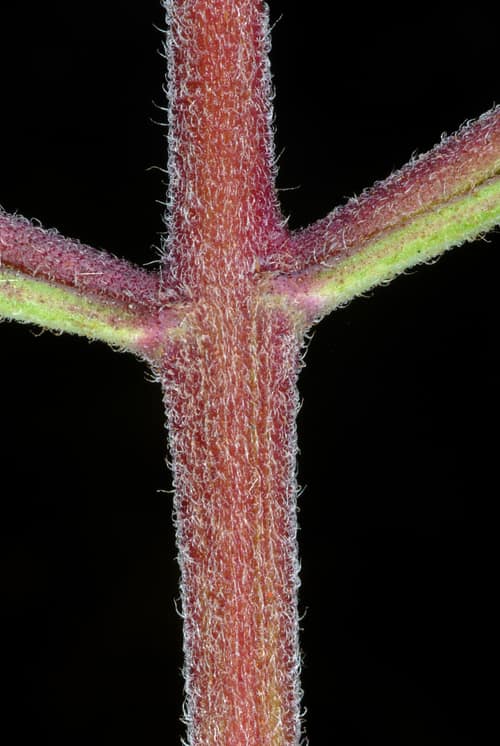
Look-alike (c) Douglas Goldman, some rights reserved (CC BY-SA), uploaded by Douglas Goldman · cc-by-sa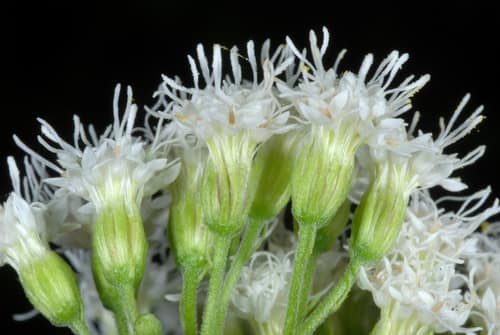
Same Family (c) Douglas Goldman, some rights reserved (CC BY-SA), uploaded by Douglas Goldman · cc-by-sa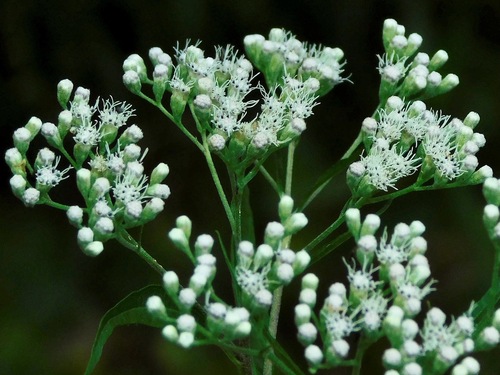
Same Family (c) Michael J. Papay, some rights reserved (CC BY), uploaded by Michael J. Papay · cc-by
Help improve the field guideSomething wrong?
Checking your Fauna account…Report a name, category, or profile issue for review.