
Plant
Climbing Hempvine
Mikania scandensAlso known as Climbing Hempweed, Louse-plaster
Climbing hempvine clambers rapidly across wetland margins, using twining stems rather than tendrils to drape over shrubs, cattails, and sedges. Clusters of fragrant, pale pink or creamy white disk florets bloom in late summer and autumn, offering a crucial nectar bounty for migrating butterflies and late-season bees. Wind-borne seeds equipped with fine-bristled pappi allow it to colonize disturbed, damp ground across river floodplains, ditches, and swamp borders.
VineFloweringWetland
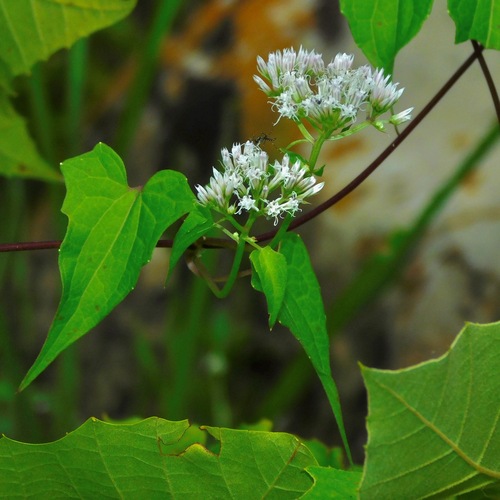
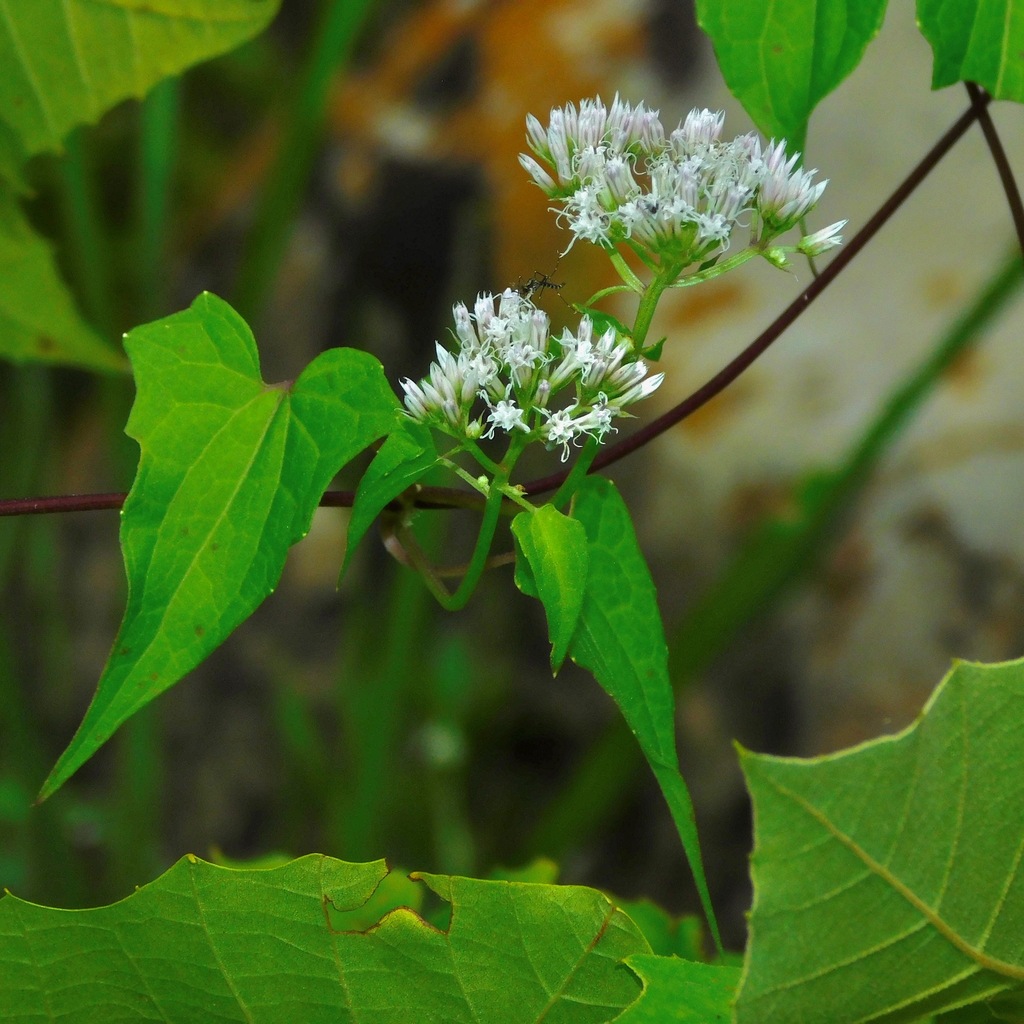
—observations
—countries
—peak records
Least ConcernConservation statusIUCN Red List categoriesLCNTVUENCREWEXLeast ConcernRed List categories, explained →
Diet & preySunlight, Water, Soil Nutrients
Predators
- White-tailed Deer
- Herbivorous Weevils
- Aphids
ThreatsWetland drainage, herbicide application, and habitat loss
HabitatsSwamps, marshes, stream banks, wet ditches, and moist thickets
Life spanPerennial
Classification
- OrderAsterales
- FamilyAsteraceae
- GenusMikania
- SpeciesMikania scandens
Range data is not available yet.
Interaction riskLow
- Low
- Moderate
- High
- Very high
- Why interaction risk is low
- Safe to observe at a normal distance.
Responsible observation
- Observation Season: Look for blooming flower clusters draped over wetlands from July through October.
- Habitat Clues: Search along damp roadside ditches, pond margins, and sunny swamp edges where it blankets shrubs.
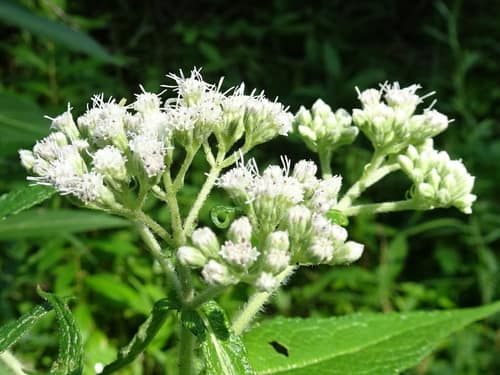
Frequent Companion (c) Thomas Koffel, some rights reserved (CC BY), uploaded by Thomas Koffel · cc-by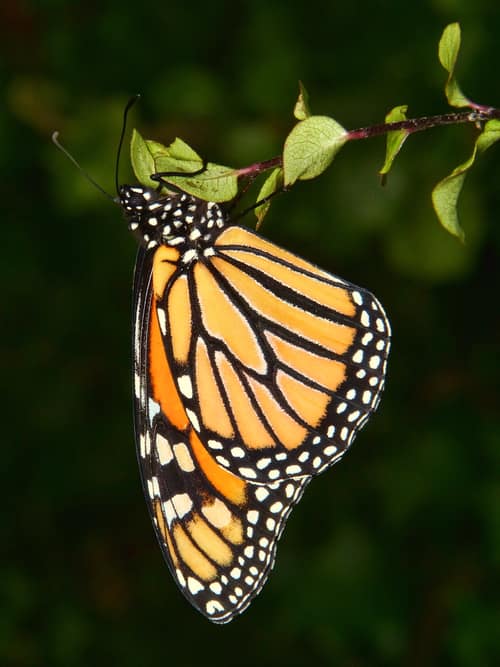
Pollinator Sid Mosdell from New Zealand / CC BY 2.0 · cc-by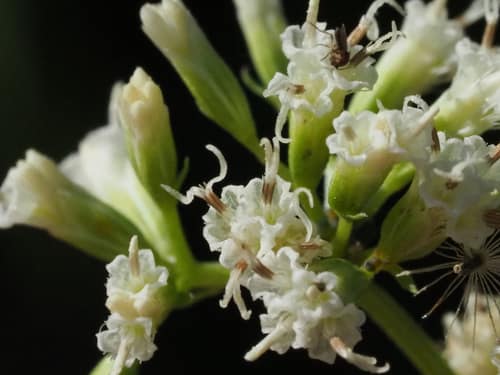
Close Relative no rights reserved, uploaded by 葉子 · cc0
Help improve the field guideSomething wrong?
Checking your Fauna account…Report a name, category, or profile issue for review.