
Plant · GBIF taxon 5397391
Tall Ironweed
Vernonia giganteaAlso known as Giant Ironweed
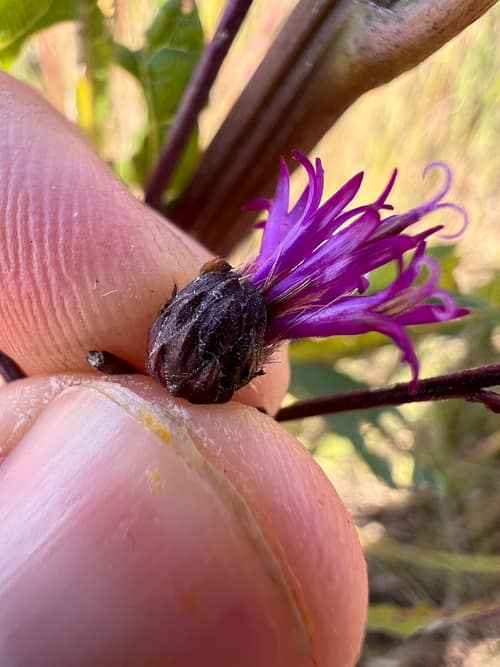
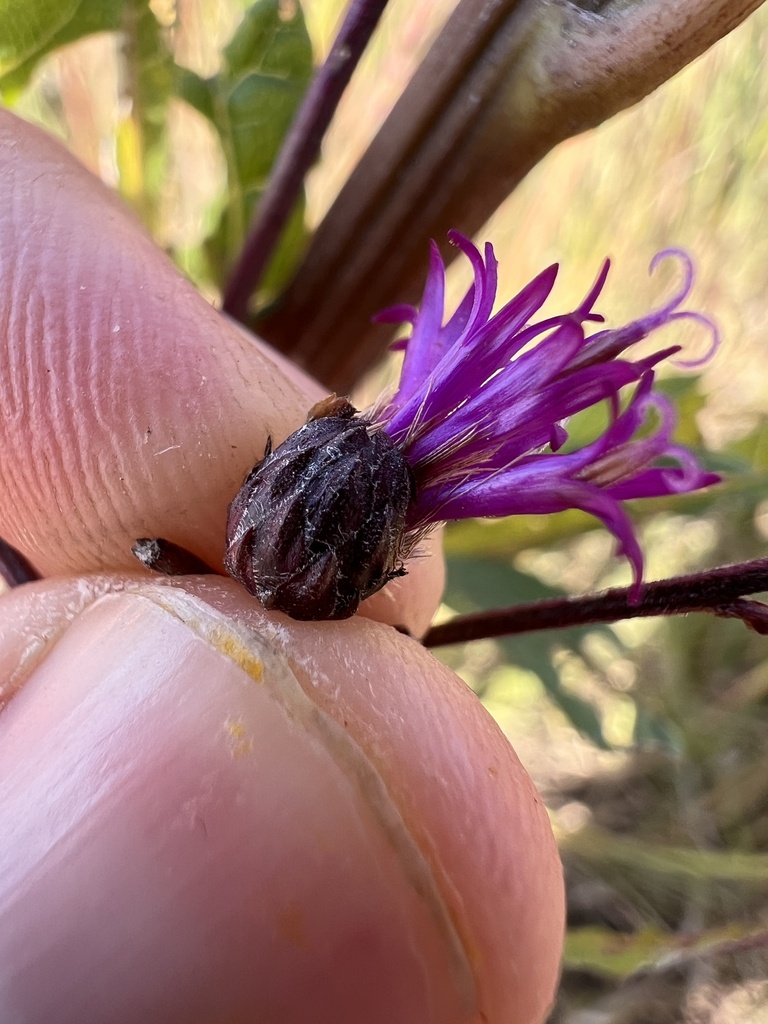
Towering above surrounding meadow vegetation, tall ironweed produces dense clusters of intense, deep purple flowers from late summer through autumn. Its tough, woody stems earned it the common name ironweed, as they resist grazing and breaking even in heavy storms. Butterflies, native bees, and skippers flock to the nectar-rich blooms during a crucial season when many other forage plants fade.
PerennialLate BloomNative Wildflower
 1 / 7
1 / 7—observations
—countries
—peak records
Least ConcernConservation statusIUCN Red List categoriesLCNTVUENCREWEXLeast ConcernRed List categories, explained →
Diet & prey
- Sunlight
- Water
- Soil Nutrients
Predators
- Ironweed Borer Moth
- Aphids
- Grasshoppers
ThreatsIntensive agricultural mowing, habitat development, broadcast herbicide application
HabitatsMoist meadows, pastures, floodplains, forest margins, roadside ditches
Life spanPerennial (10+ years)
Size / weightNot available
Classification
- OrderAsterales
- FamilyAsteraceae
- GenusVernonia
- SpeciesVernonia gigantea
Range data is not available yet.
Interaction riskLow
- Low
- Moderate
- High
- Very high
- Why interaction risk is low
- Safe to observe at a normal distance.
Responsible observation
- Optimal Timing: Look for vibrant purple blooms from mid-August through October.
- Butterfly Watching: Approach quietly during warm afternoons when swallowtails feed on the nectar.
- Winter Identification: Look for tall, rigid brown stems topped with fluffy seed clusters.
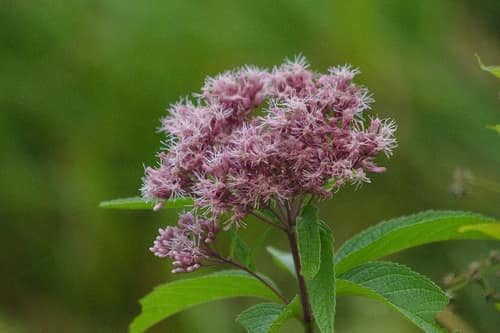
Co-occurring Native no rights reserved, uploaded by Étienne Lacroix-Carignan · cc0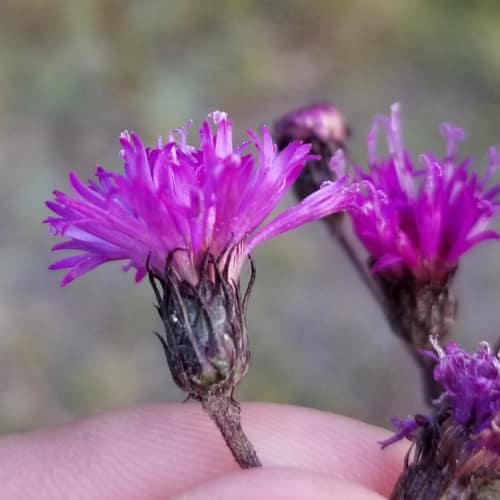
Close Relative (c) Daniel McClosky, some rights reserved (CC BY), uploaded by Daniel McClosky · cc-by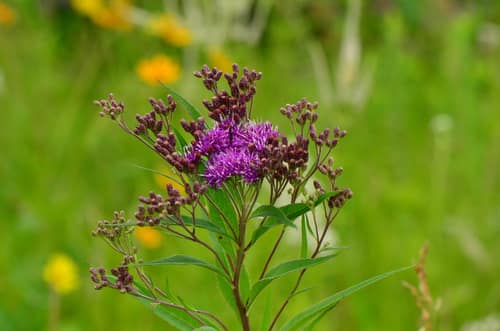
Close Relative (c) Joshua Mayer, some rights reserved (CC BY-SA) · cc-by-sa
Help improve the field guideSomething wrong?
Checking your Fauna account…Report a name, category, or profile issue for review.