
Plant
Mexican Sunflower
Tithonia diversifoliaAlso known as Tree Marigold, Japanese Sunflower, Nitobe Chrysanthemum, Mexican Tournesol
Mexican sunflowers are vigorous, woody-stemmed shrubs renowned for their abundant, aromatic blooms that resemble miniature yellow sunflowers. Native to Mesoamerica, they have naturalized across tropical regions globally, often colonizing disturbed roadsides, riverbanks, and abandoned fields. Farmers frequently cultivate them as nutrient-rich green manure, as their deep roots actively accumulate phosphorus and nitrogen before returning them to degraded soils.
FloweringFast-GrowingPollinator Magnet
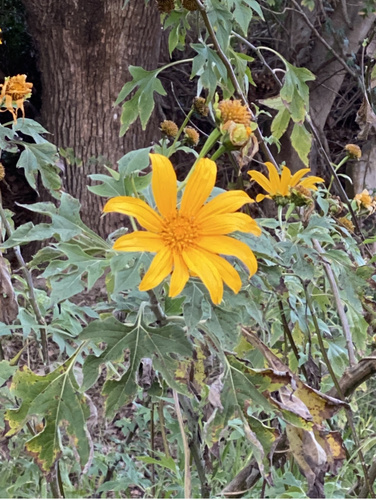
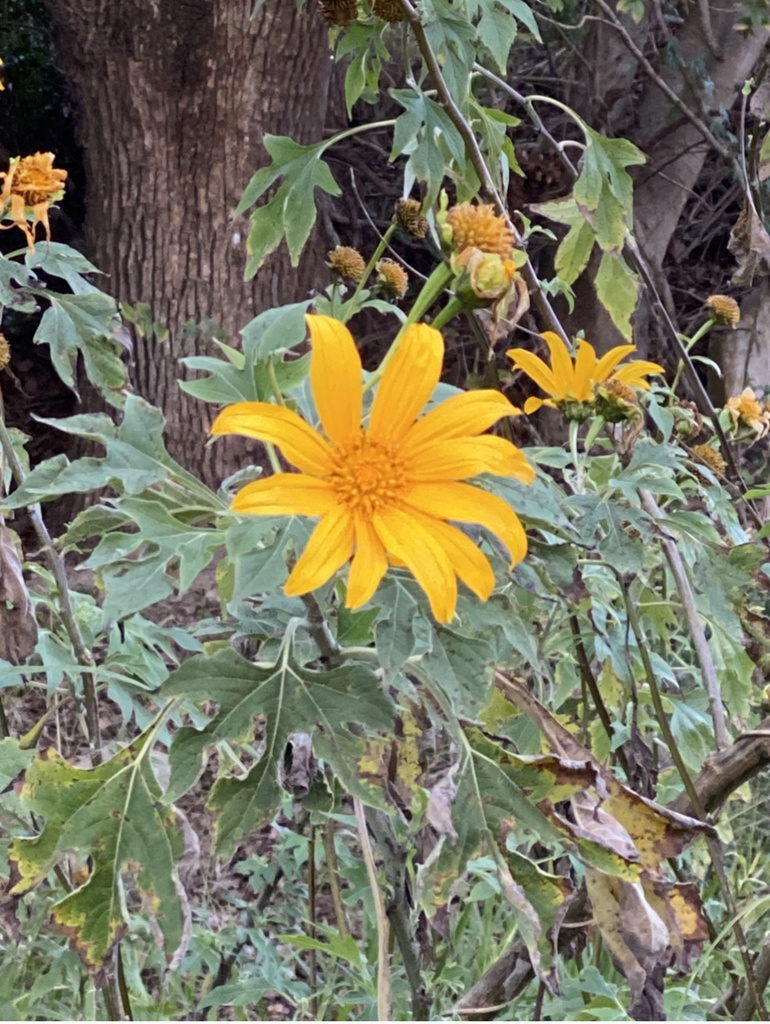
—observations
—countries
—peak records
Least ConcernConservation statusIUCN Red List categoriesLCNTVUENCREWEXLeast ConcernRed List categories, explained →
Diet & preySunlight, Soil phosphorus, Water
Predators
- Herbivorous insects
- Browsing livestock
- Fungal blights
ThreatsHerbicides, mechanical clearing, and habitat redevelopment
HabitatsDisturbed roadsides, fallow fields, riparian edges, and tropical thickets
Life spanAnnual or short-lived perennial (3–5 years)
Classification
- FamilyAsteraceae
- SpeciesTithonia diversifolia
Range data is not available yet.
Interaction riskLow
- Low
- Moderate
- High
- Very high
- Why interaction risk is low
- Safe to observe at a normal distance.
Responsible observation
- Observation Season: Look for mass flowerings during the late wet season and early dry season when blooms carpet whole roadsides.
- Pollinator Watching: Inspect sunny blossom patches to find a wide variety of native solitary bees, butterflies, and nectar wasps.
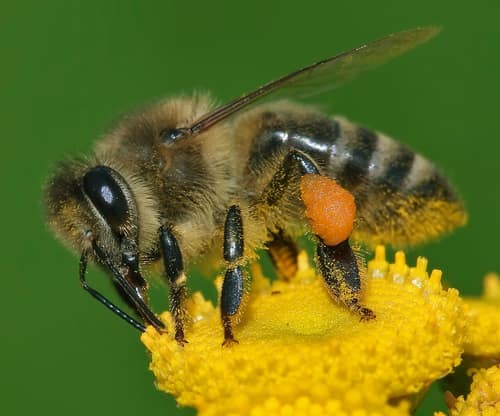
Pollinator Andreas Trepte / CC BY-SA 2.5 · cc-by-sa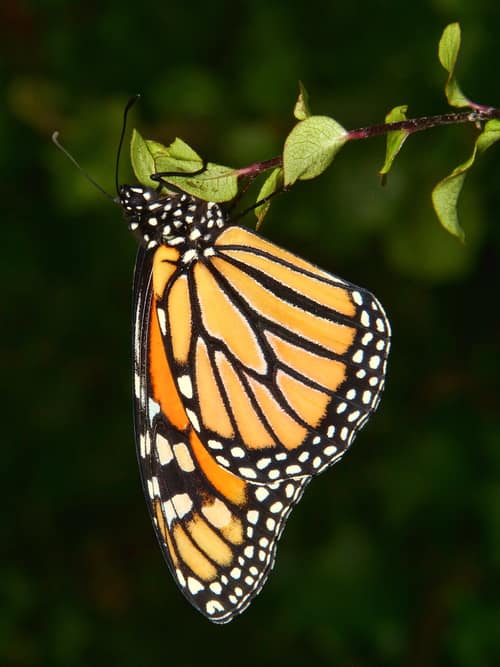
Pollinator Sid Mosdell from New Zealand / CC BY 2.0 · cc-by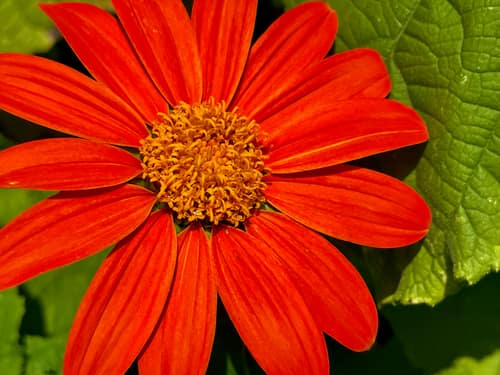
Close Relative (c) F Delventhal, some rights reserved (CC BY) · cc-by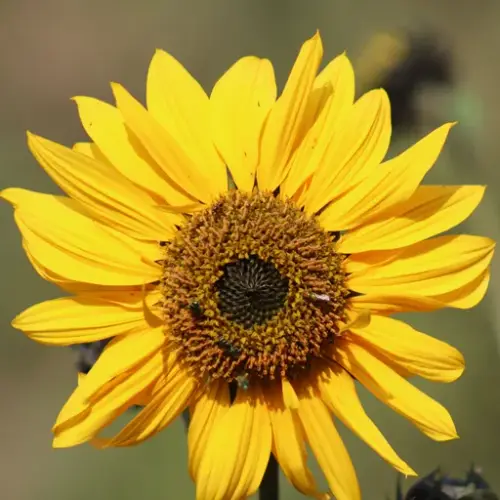
Same Family Dr Photographer / PUBLIC DOMAIN · public domain
Help improve the field guideSomething wrong?
Checking your Fauna account…Report a name, category, or profile issue for review.