
Flower
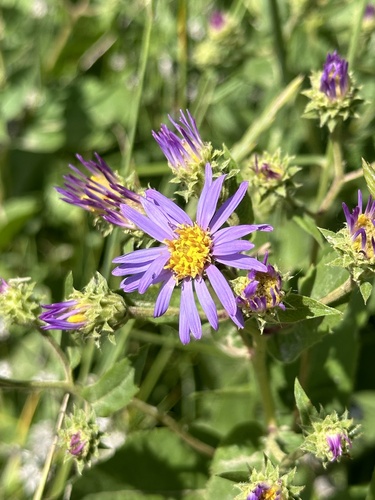
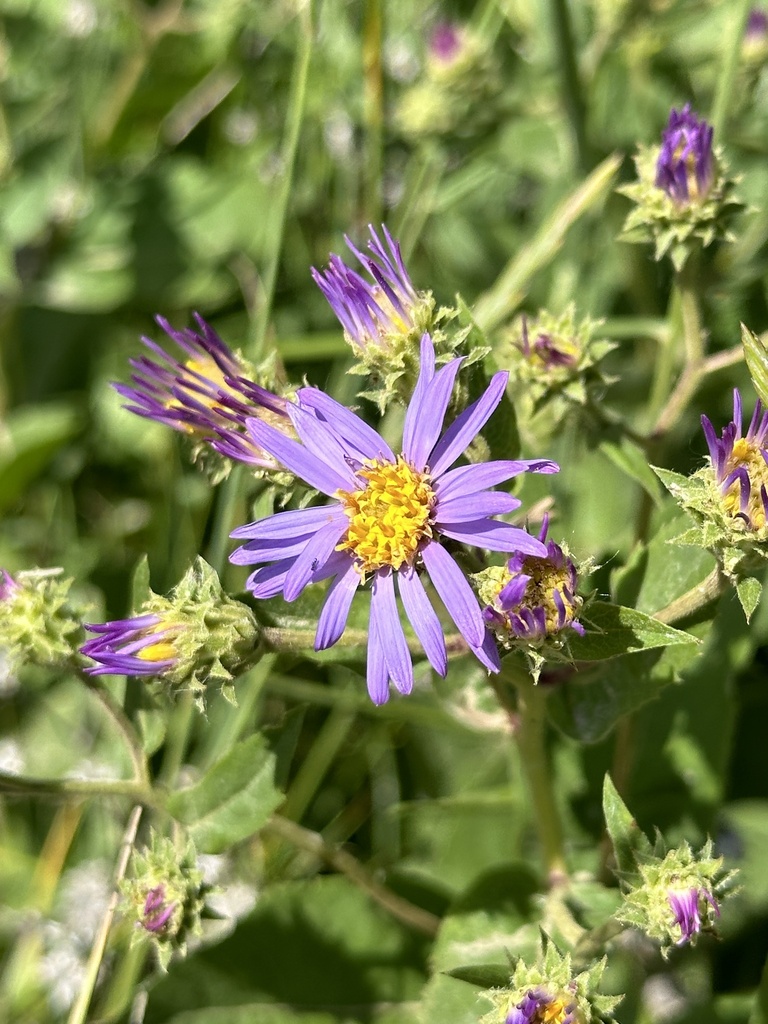
Showy Aster
Eurybia conspicuaAlso known as Western Showy Aster
Western showy asters illuminate montane forests and subalpine meadows across western North America with dense clusters of deep violet to lavender flower heads. Spreading via creeping rhizomes, these robust native perennials form expansive colonies that bloom from midsummer into autumn. They serve as a crucial late season nectar source for native bees and butterflies preparing for winter.
PerennialWildflowerNative
—observations
—countries
—peak records
Least ConcernConservation statusIUCN Red List categoriesLCNTVUENCREWEXLeast ConcernRed List categories, explained →
Diet & preySunlight, Water, Soil Minerals
Predators
- Elk
- Mule Deer
- Checkerspot Butterfly Caterpillars
ThreatsHabitat loss, invasive weed competition
HabitatsMontane forests, subalpine meadows, open woodlands, trail margins
Life spanPerennial (many years via rhizomes)
Classification
- OrderAsterales
- FamilyAsteraceae
- GenusEurybia
- SpeciesEurybia conspicua
Range data is not available yet.
Interaction riskLow
- Low
- Moderate
- High
- Very high
- Why interaction risk is low
- Safe to observe and photograph in its natural habitat.
Responsible observation
- Best Time to View: Look for full blooms from late July through September in sunny forest clearings.
- Photography: Frame the broad violet heads against darker forest backgrounds to highlight ray petals.
- Trail Etiquette: Stay on established paths to avoid trampling spreading rhizomatous roots.
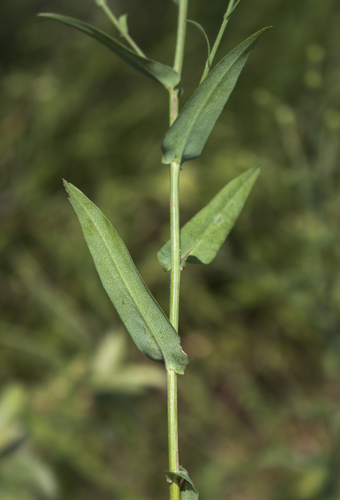
Look-Alike (c) aarongunnar, some rights reserved (CC BY), uploaded by aarongunnar · cc-by Image unavailable
Larval Host Close Relative
Help improve the field guideSomething wrong?
Checking your Fauna account…Report a name, category, or profile issue for review.