
Plant · GBIF taxon 5396125
White Wood Aster
Eurybia divaricataAlso known as White Heart-Leaved Aster, Heart-Leaved Aster
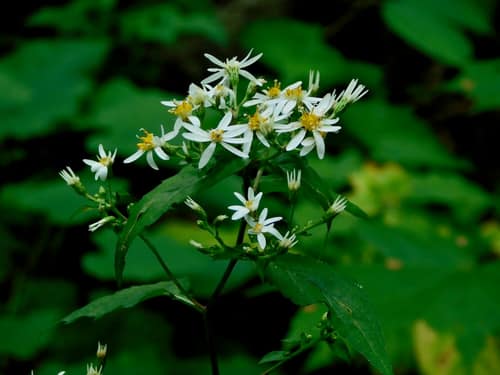
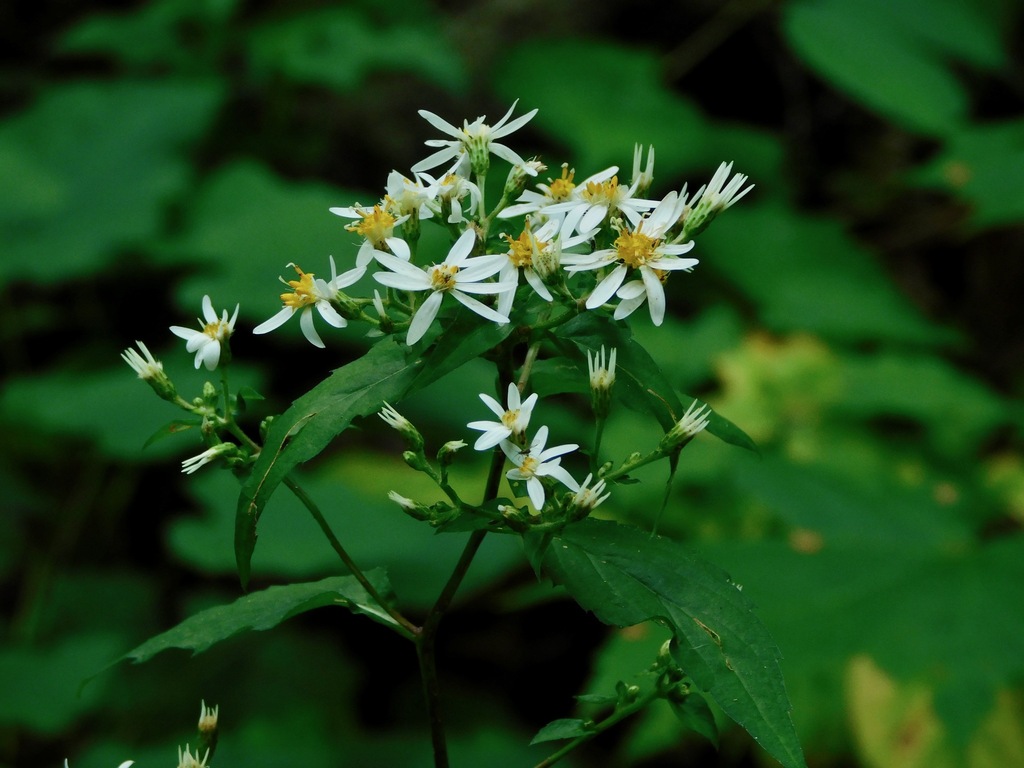
White wood asters brighten shady forest floors and woodland edges across eastern North America from late summer into autumn. Their dark, zigzagging stems and sharply cut, heart-shaped leaves support flat-topped clusters of daisy-like flowers with white rays and centers that mature from yellow to deep red. Highly adaptable and drought-tolerant, this perennial serves as a vital late-season nectar source for bees, butterflies, and migrating pollinators.
WildflowerNativeLate Bloom
 1 / 7
1 / 7—observations
—countries
—peak records
Least ConcernConservation statusIUCN Red List categoriesLCNTVUENCREWEXLeast ConcernRed List categories, explained →
Diet & prey
- Sunlight
- Soil Nutrients
- Water
Predators
- White-tailed Deer
- Eastern Cottontail
- Insect Larvae
ThreatsHabitat loss, invasive weed competition, and overbrowsing by deer
HabitatsDry open woodlands, forest edges, clearings, and shady gardens
Life spanPerennial (indefinite via spreading rhizomes)
Size / weightNot available
Classification
- OrderAsterales
- FamilyAsteraceae
- GenusEurybia
- SpeciesEurybia divaricata
Range data is not available yet.
Interaction riskLow
- Low
- Moderate
- High
- Very high
- Why interaction risk is low
- Safe to observe at a normal distance.
Responsible observation
- Planting: Position in partial shade to deep shade in well-draining soil for reliable autumn color.
- Wildlife Support: Leave spent flower heads intact through winter to feed seed-eating songbirds.
- Identification: Look for distinctive dark, zigzagging stems and coarsely toothed, heart-shaped leaves.
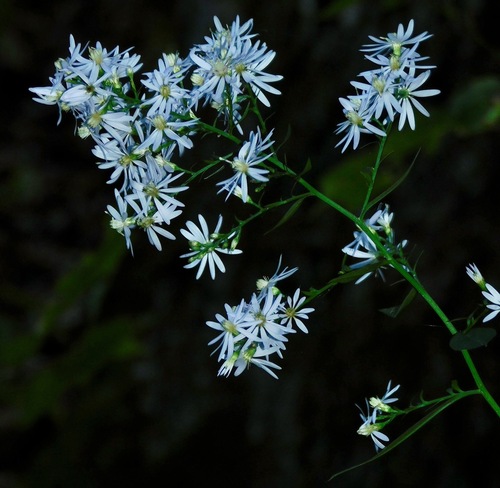
Ecological Neighbor (c) Michael J. Papay, some rights reserved (CC BY), uploaded by Michael J. Papay · cc-by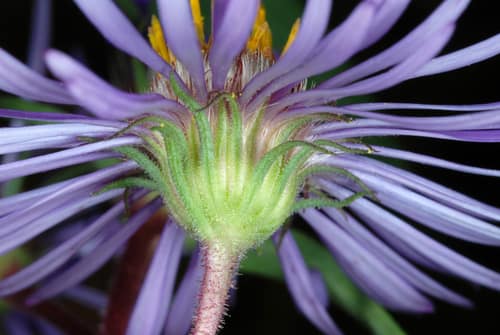
Close Relative (c) Douglas Goldman, some rights reserved (CC BY-SA), uploaded by Douglas Goldman · cc-by-sa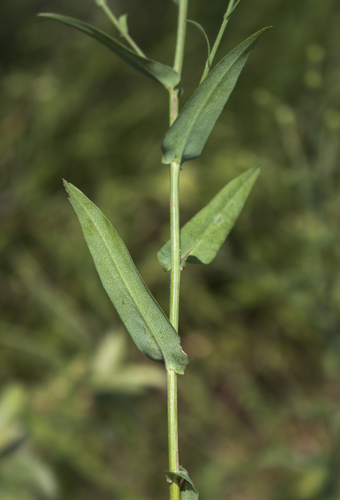
Close Relative (c) aarongunnar, some rights reserved (CC BY), uploaded by aarongunnar · cc-by
Help improve the field guideSomething wrong?
Checking your Fauna account…Report a name, category, or profile issue for review.