
Plant · GBIF taxon 5395475
Leopardplant
Ligularia dentataAlso known as Summer Ragwort, Golden Groundsel, Bigleaf Goldenray
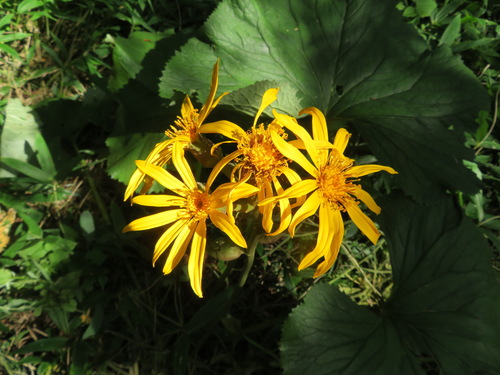
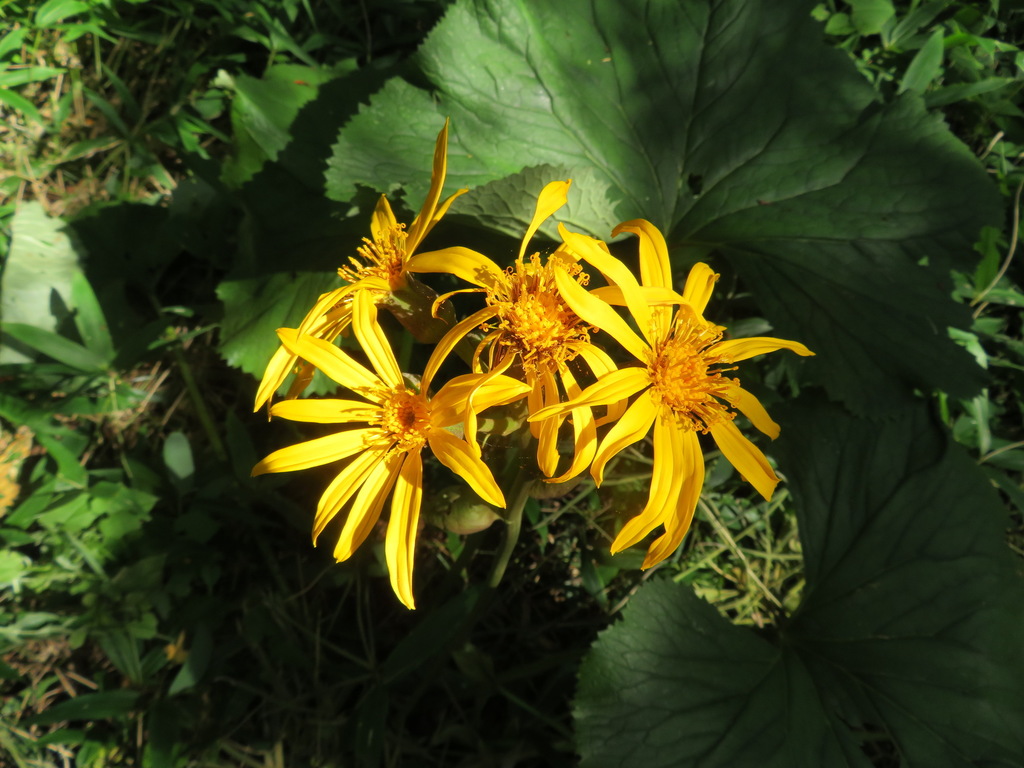
Leopardplant thrives in damp woodland glades and along shaded stream banks across Eastern Asia, producing massive kidney-shaped leaves with deeply tooth-edged margins. Bright orange-yellow daisy-like flower heads open atop stout dark stems from midsummer into autumn, attracting a busy array of late-season pollinators. Its bold architectural foliage holds moisture exceptionally well, making it a dramatic focal point in wet, sheltered settings.
PerennialShade-TolerantFlowering
—observations
—countries
—peak records
Not EvaluatedConservation statusIUCN Red List categoriesLCNTVUENCREWEXNot Evaluated — not placed on the risk ladderRed List categories, explained →
Diet & prey
- Sunlight
- Soil Nutrients
- Water
Predators
- Slugs and Snails
- Deer
- Caterpillars
ThreatsHabitat destruction, drought, slug damage
HabitatsStream banks, damp meadows, moist woodland margins
Life spanPerennial (10–20+ years)
Classification
- OrderAsterales
- FamilyAsteraceae
- GenusLigularia
- SpeciesLigularia dentata
Range data is not available yet.
Interaction riskHigh
- Low
- Moderate
- High
- Very high
- Why interaction risk is high
- Contains toxic pyrrolizidine alkaloids; keep away from pets and do not ingest. Wild plants have toxic look-alikes.
- Why it is dangerous
- Contains toxic pyrrolizidine alkaloids that can cause severe hepatic damage if consumed by humans or animals.
- How to recognize a risky encounter
- Look for broad kidney-shaped leaves with serrated edges and stout dark red stems topped with orange-yellow flower heads.
- What to do
- Avoid consuming any plant parts and wash hands thoroughly after handling broken stems or foliage.
Responsible observation
- Optimal Spotting: Search for vibrant yellow blooms in shaded, wet soil conditions during late summer.
- Garden Placement: Provide rich, consistently moist soil and shelter from direct afternoon sun to protect leaves.
- Pollinator Watching: Observe bees and butterflies visiting the broad flower heads during sunny afternoons.
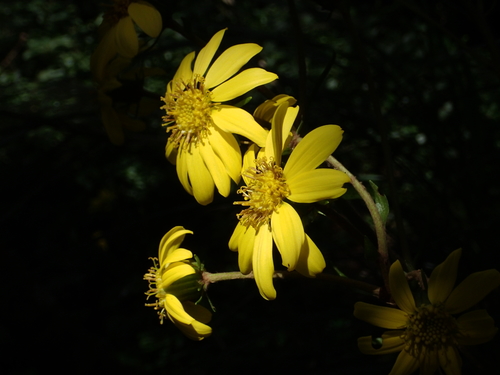
Look-Alike no rights reserved, uploaded by 葉子 · cc0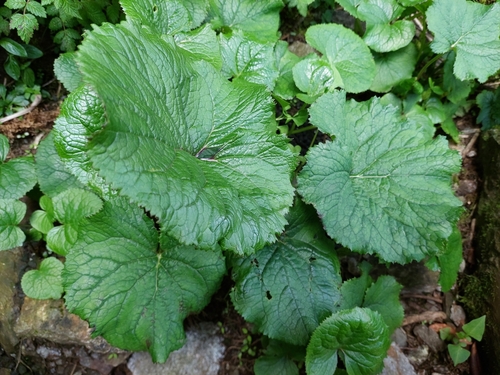
Close Relative (c) Jason, some rights reserved (CC BY), uploaded by Jason · cc-by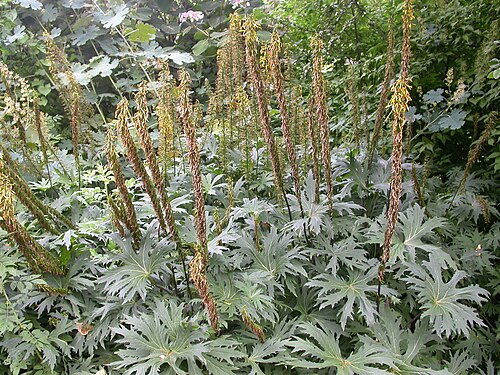
Close Relative Pieter Pelser / CC BY 3.0 · cc-by
Help improve the field guideSomething wrong?
Checking your Fauna account…Report a name, category, or profile issue for review.