
Plant · GBIF taxon 5392950
Southern Globe Thistle
Echinops ritroAlso known as Globe Thistle, Small Globe Thistle, Blue Globe Thistle
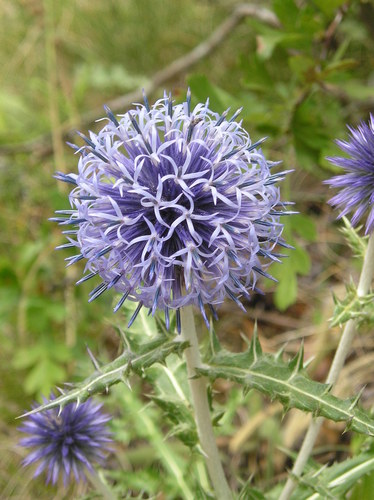
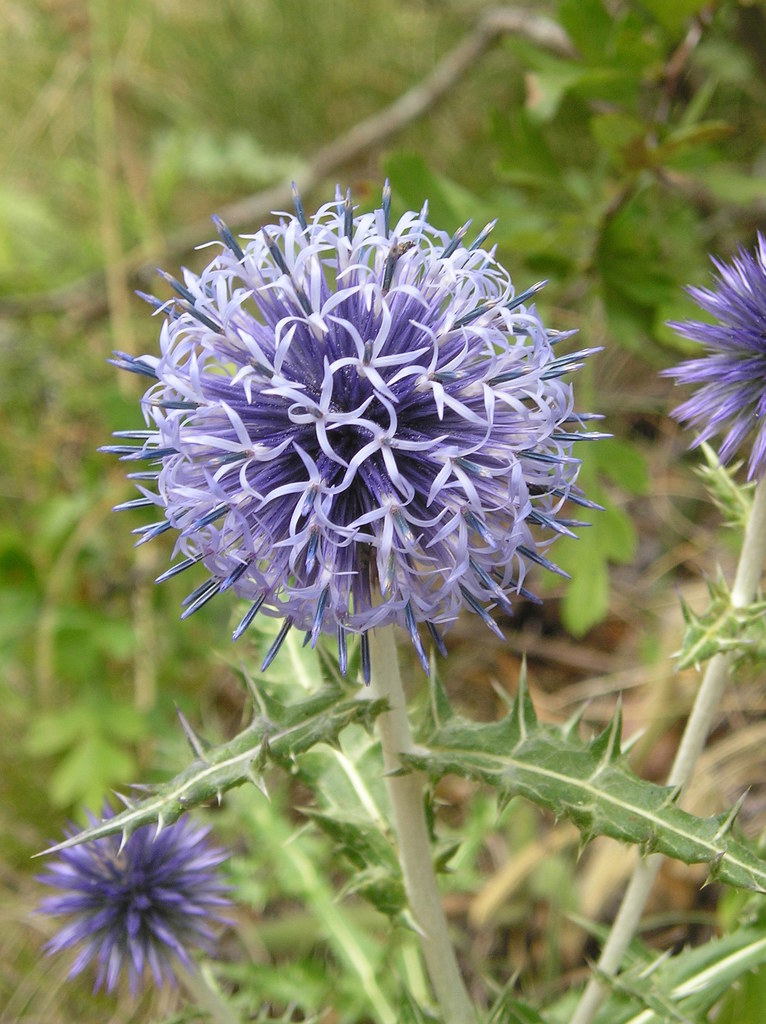
Southern globe thistles produce striking spherical heads composed of dozens of small, steel-blue florets that open progressively over several weeks in summer. Deeply lobed, spiny leaves feature silvery down on their undersides, helping conserve moisture in dry, rocky soils. These metallic-hued globes serve as valuable late-season nectar sources for bees, butterflies, and beneficial predatory insects.
Drought-TolerantFloweringPollinator Magnet
 1 / 7
1 / 7—observations
—countries
—peak records
Least ConcernConservation statusIUCN Red List categoriesLCNTVUENCREWEXLeast ConcernRed List categories, explained →
Diet & prey
- Sunlight
- Water
- Soil Minerals
Predators
- Aphids
- Goldfinches
- Snails and Slugs
ThreatsHabitat conversion and competition from dense invasive vegetation
HabitatsDry grasslands, rocky slopes, scrublands, and disturbed roadsides
Life spanPerennial (typically 5–10+ years)
Size / weightNot available
Classification
- OrderAsterales
- FamilyAsteraceae
- GenusEchinops
- SpeciesEchinops ritro
Range data is not available yet.
Interaction riskLow
- Low
- Moderate
- High
- Very high
- Why interaction risk is low
- Safe to observe at a normal distance; wear gloves if handling the prickly leaves.
Responsible observation
- Observing Pollinators: Stand still near blooming globes on warm afternoons to spot native bumblebees and butterflies feeding.
- Garden Care: Leave dried flower heads standing through autumn to provide winter seed sources for local songbirds.
- Handling Foliage: Wear thick gardening gloves when pruning or dividing plants to protect against sharp leaf spines.
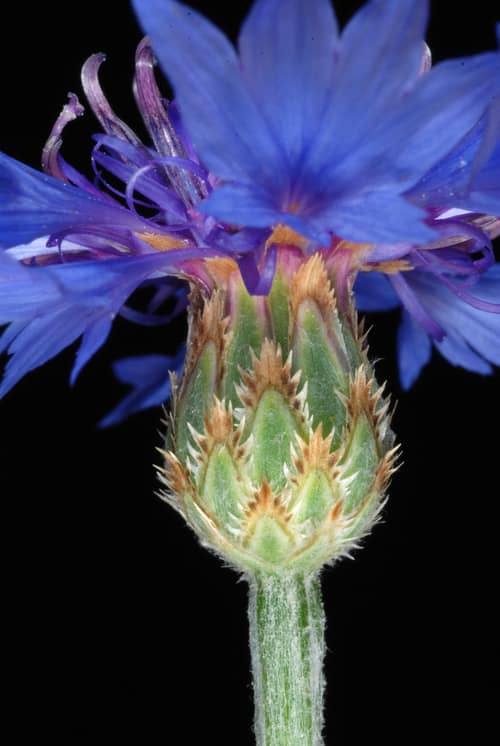
Frequent Companion (c) Douglas Goldman, some rights reserved (CC BY-SA), uploaded by Douglas Goldman · cc-by-sa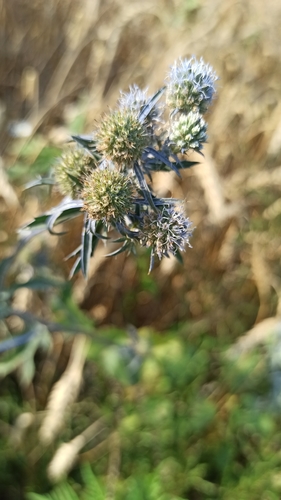
Ecological Similar (c) Иван Ковтун Ivan Kovtun, some rights reserved (CC BY) · cc-by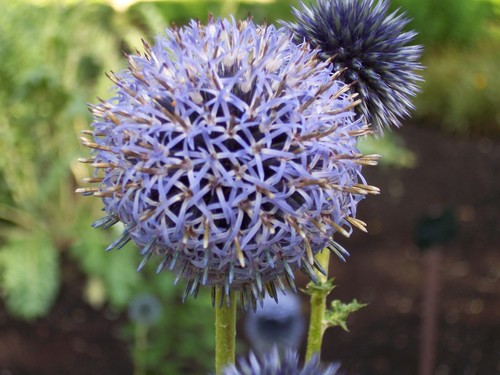
Close Relative (c) Cillas, some rights reserved (CC BY-SA) · cc-by-sa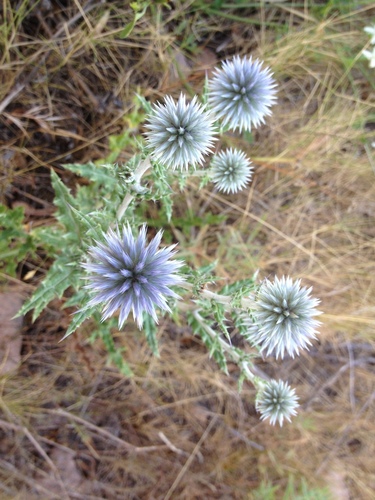
Close Relative (c) Naturalista, some rights reserved (CC BY), uploaded by Naturalista · cc-by
Help improve the field guideSomething wrong?
Checking your Fauna account…Report a name, category, or profile issue for review.