
Plant · GBIF taxon 5389737
Toothleaf Goldeneye
Viguiera dentataAlso known as Sunflower Goldeneye, Plateau Goldeneye, Chimalacate
Toothleaf goldeneye blankets rocky slopes and disturbed roadsides across the southwestern United States and Central America in dense sprays of cheerful yellow flower heads each autumn. The rough, saw-toothed foliage fuels various moth and butterfly larvae, while its abundant late-season nectar provides vital energy for migrating monarchs and native bees. Resilient in thin limestone soils and arid heat, the plant often dies back to a woody crown in freezing weather before surging back with vigorous summer growth.
WildflowerPollinator MagnetDrought Tolerant
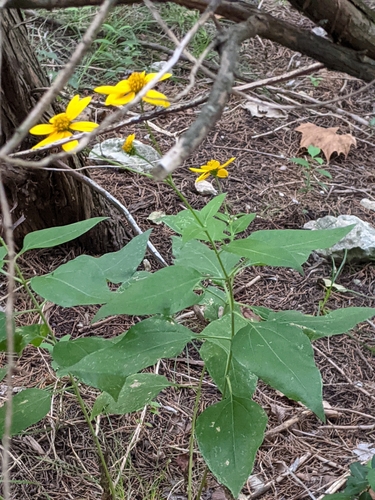
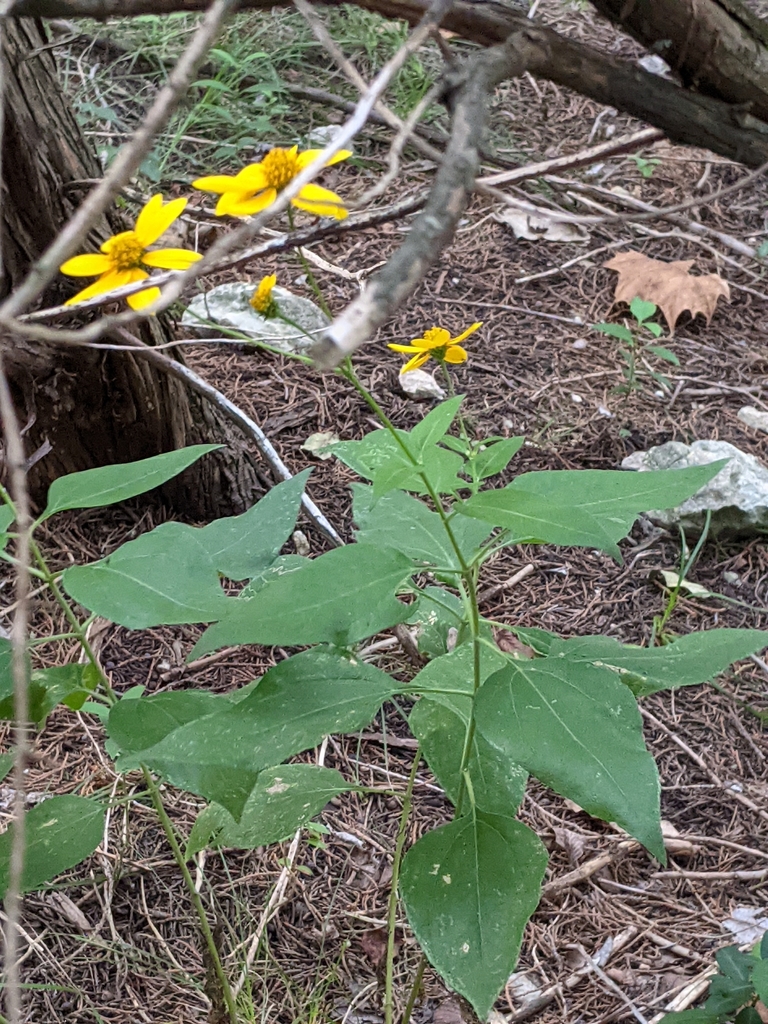 1 / 7
1 / 7—observations
—countries
—peak records
Not EvaluatedConservation statusIUCN Red List categoriesLCNTVUENCREWEXNot Evaluated — not placed on the risk ladderRed List categories, explained →
Diet & prey
- Autotrophic (photosynthetic)
Predators
- Lesser Goldfinch
- White-tailed Deer
- Differential Grasshopper
ThreatsHerbicide runoff, mowing during bloom peaks, overgrazing
HabitatsRocky hillsides, canyon slopes, open woodlands, roadsides, disturbed soils
Life spanPerennial (typically 3–6 years)
Classification
- FamilyAsteraceae
- SpeciesViguiera dentata
Range data is not available yet.
Interaction riskLow
- Low
- Moderate
- High
- Very high
- Why interaction risk is low
- Safe to observe at a normal distance.
Responsible observation
- Autumn Viewing: Look for vibrant yellow blooms along dry roadsides and rocky slopes between August and November.
- Pollinator Watching: Check open flower heads on warm afternoons to photograph feeding bees and migrating butterflies.
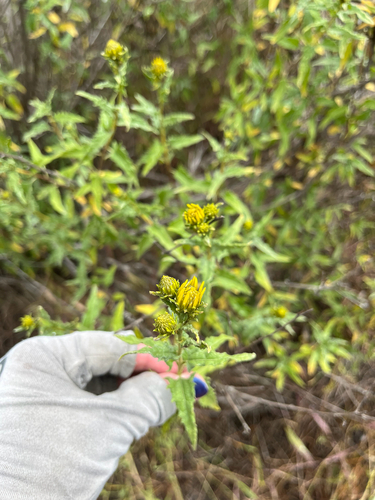
Same Genus (c) Rachel Allingham, some rights reserved (CC BY) · cc-by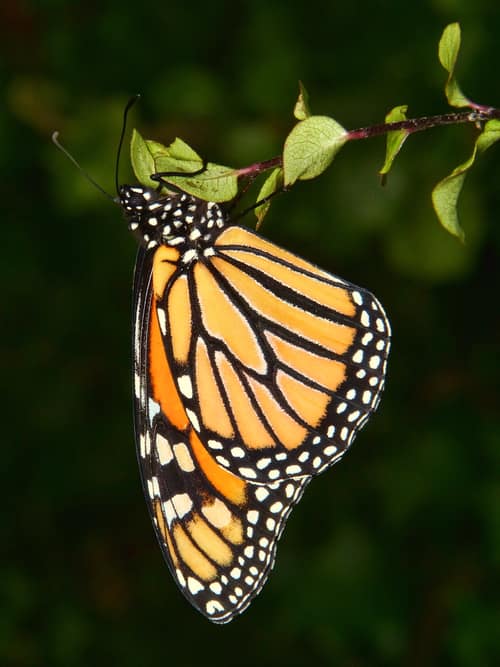
Pollinator Sid Mosdell from New Zealand / CC BY 2.0 · cc-by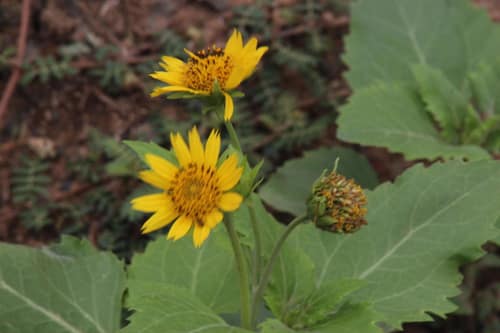
Same Family (c) Tony Rebelo, some rights reserved (CC BY-SA), uploaded by Tony Rebelo · cc-by-sa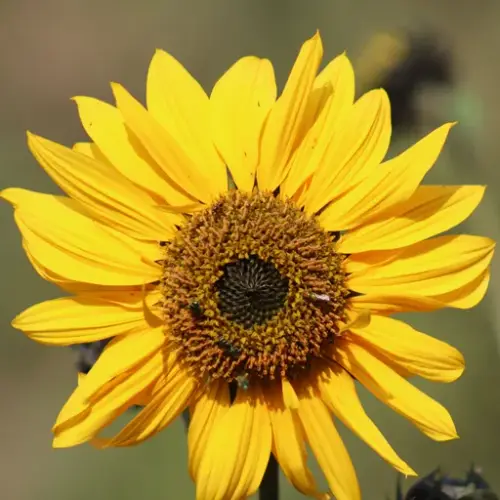
Same Family Dr Photographer / PUBLIC DOMAIN · public domain
Help improve the field guideSomething wrong?
Checking your Fauna account…Report a name, category, or profile issue for review.