
Plant · GBIF taxon 5389117
Missouri Goldenrod
Solidago missouriensisAlso known as Prairie Goldenrod, Missouri Prairie Goldenrod
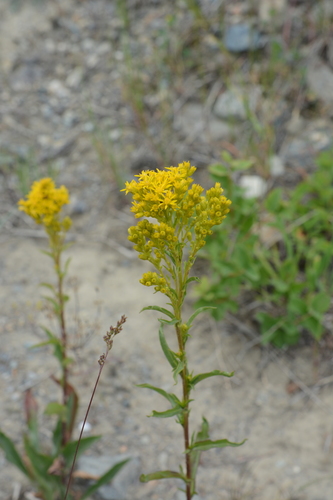
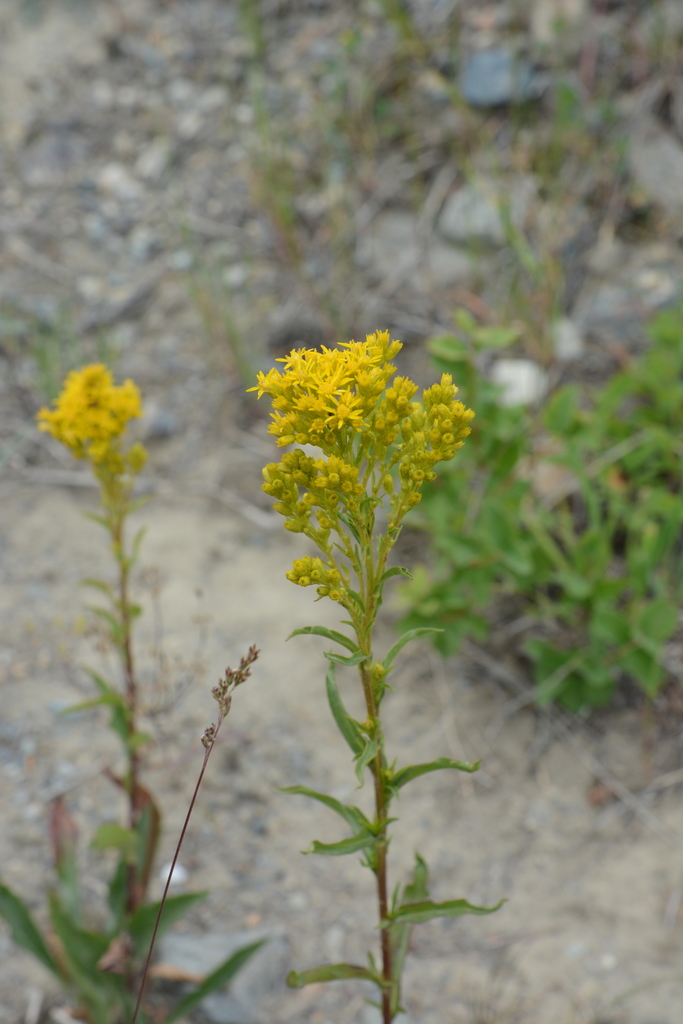
Missouri goldenrod produces plume-like sprays of vibrant yellow flower heads that illuminate open grasslands from midsummer into autumn. Smooth, reddish stems and three-veined linear leaves emerge from spreading underground rhizomes, forming dense clonal colonies across dry prairies. These hardy perennials play a vital ecological role by offering rich nectar reserves to migrating butterflies, native bees, and beetles late in the season.
Prairie NativeLate BloomerPollinator Magnet
—observations
—countries
—peak records
Least ConcernConservation statusIUCN Red List categoriesLCNTVUENCREWEXLeast ConcernRed List categories, explained →
Diet & prey
- Autotrophic (Photosynthetic)
Predators
- Mammalian Grazers
- Grasshoppers
- Goldenrod Gall Flies
ThreatsHabitat loss from agricultural conversion and widespread herbicide use
HabitatsDry prairies, plains, pastures, roadsides, open oak savannas
Life spanPerennial (colonies survive for decades via rhizomes)
Classification
- OrderAsterales
- FamilyAsteraceae
- GenusSolidago
- SpeciesSolidago missouriensis
Range data is not available yet.
Interaction riskLow
- Low
- Moderate
- High
- Very high
- Why interaction risk is low
- Safe to observe at a normal distance.
Responsible observation
- Best Viewing Season: Look for bright yellow floral plumes blooming from July through October across prairies.
- Identification Cue: Inspect the central stems for a smooth, hairless texture to distinguish from hairy goldenrod species.
- Habitat Spotting: Search dry, sunny uplands, roadside margins, and intact prairie remnants.
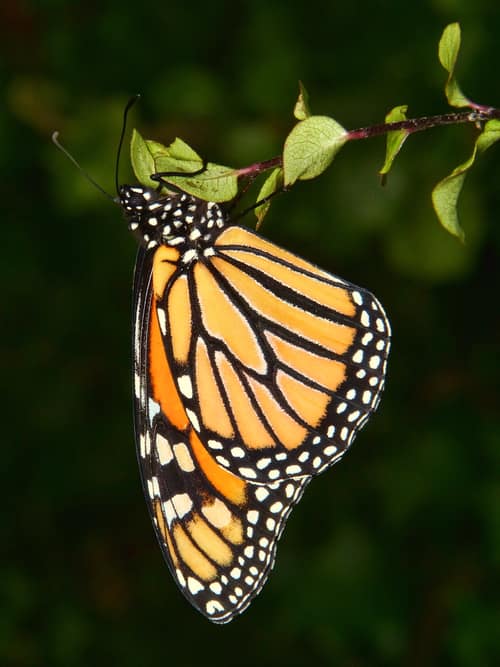
Frequent Companion Sid Mosdell from New Zealand / CC BY 2.0 · cc-by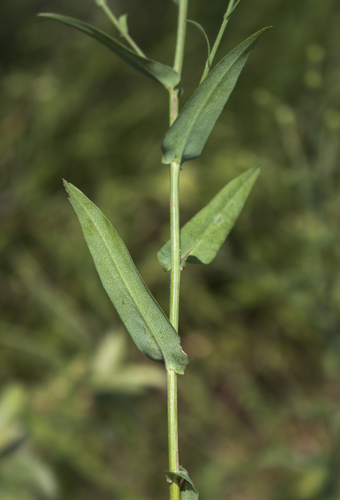
Frequent Companion (c) aarongunnar, some rights reserved (CC BY), uploaded by aarongunnar · cc-by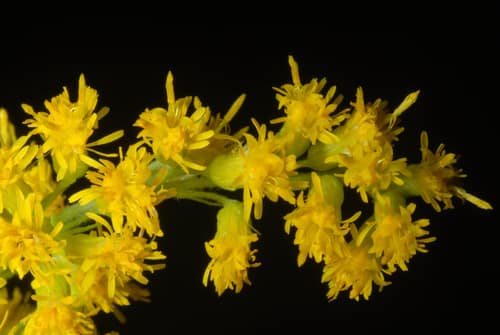
Close Relative (c) Douglas Goldman, some rights reserved (CC BY-SA), uploaded by Douglas Goldman · cc-by-sa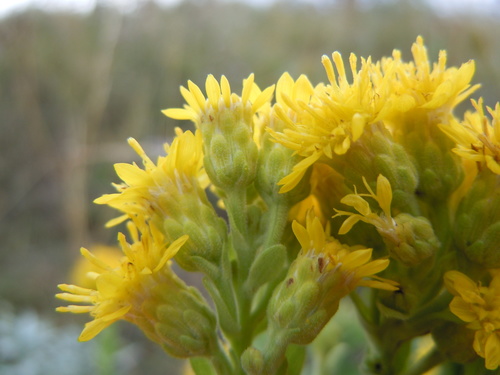
Close Relative (c) Matt Lavin, some rights reserved (CC BY-SA) · cc-by-sa
Help improve the field guideSomething wrong?
Checking your Fauna account…Report a name, category, or profile issue for review.