
Plant
California Goldenrod
Solidago californicaCalifornia goldenrod produces vibrant, wand-like clusters of bright yellow blossoms late in the growing season, transforming dry landscapes into rich foraging hubs. As a rhizomatous perennial native to western North America, it spreads gradually to form dense patches across hillsides and open woods. Its autumn-blooming floral spikes provide vital nectar and pollen for migrating butterflies and native bees when few other plants are in bloom.
NativeYellow FlowersPollinator Magnet
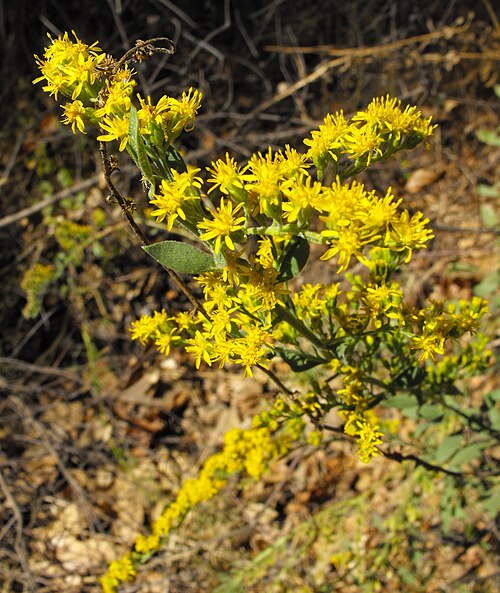
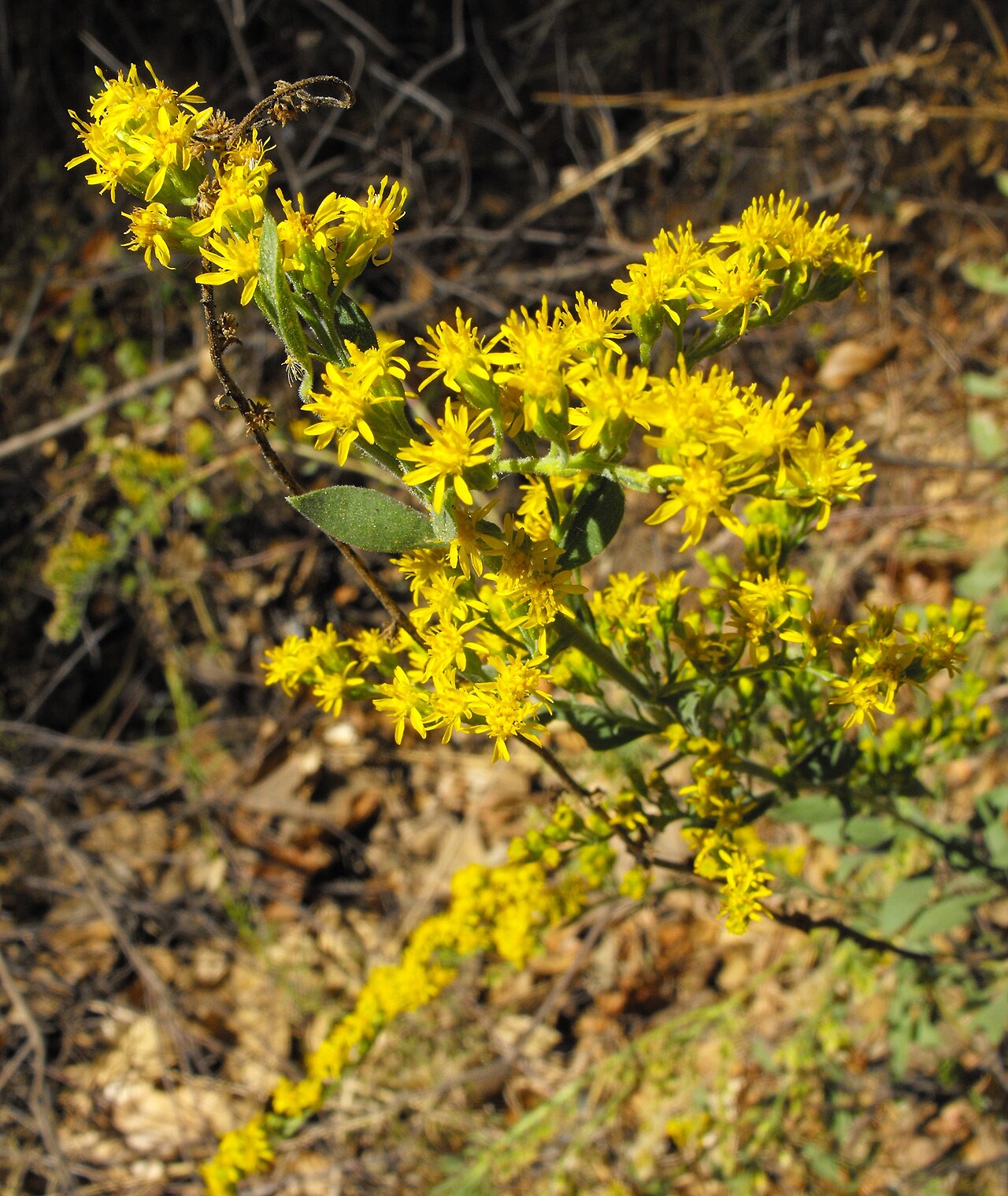
—observations
—countries
—peak records
Least ConcernConservation statusIUCN Red List categoriesLCNTVUENCREWEXLeast ConcernRed List categories, explained →
Diet & preyAutotrophic
Predators
- Browsing deer
- Herbivorous beetles
- Caterpillars
ThreatsHabitat urbanization, invasive weed competition
HabitatsChaparral, oak woodlands, dry grasslands, mountain meadows
Life spanPerennial (5–10+ years)
Classification
- FamilyAsteraceae
- SpeciesSolidago californica
Range data is not available yet.
Interaction riskLow
- Low
- Moderate
- High
- Very high
- Why interaction risk is low
- Safe to observe at a normal distance.
Responsible observation
- Garden Integration: Plant in full sun or partial shade in well-draining soil to encourage sturdy flowering spikes.
- Water Management: Allow soil to dry out between deep waterings once established to prevent floppy growth.
- Autumn Observation: Check blooming stalks on sunny afternoons for native sweat bees, hoverflies, and butterflies.
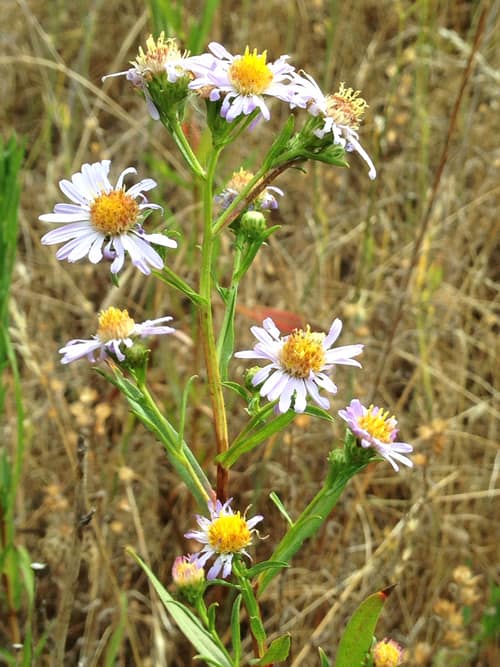
Frequent Companion (c) Ken-ichi Ueda, some rights reserved (CC BY), uploaded by Ken-ichi Ueda · cc-by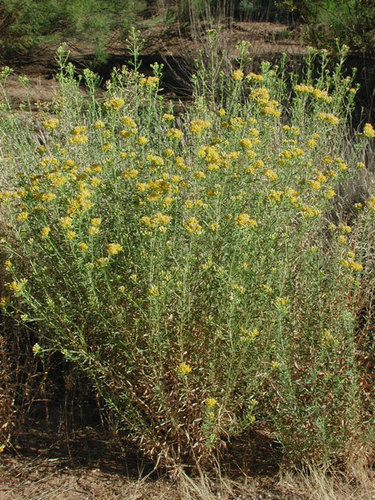
Ecological Neighbor (c) user:pompilid, some rights reserved (CC BY-SA) · cc-by-sa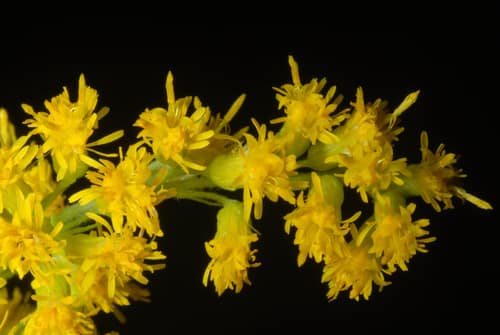
Close Relative (c) Douglas Goldman, some rights reserved (CC BY-SA), uploaded by Douglas Goldman · cc-by-sa
Help improve the field guideSomething wrong?
Checking your Fauna account…Report a name, category, or profile issue for review.