
Plant · GBIF taxon 5389106
Pine-barren Goldenrod
Solidago fistulosaAlso known as Hollow-stem Goldenrod, Pine Barrens Goldenrod
Pine-barren goldenrod thrives in saturated, acidic coastal soils, producing tall leafy stems topped with dense, arching plumes of brilliant yellow flower heads throughout late summer and autumn. Its specific epithet 'fistulosa' refers to its distinctive hollow stems, an anatomical adaptation that aids gas exchange in wet, boggy environments. As a cornerstone nectar plant of coastal wetlands, it fuels thousands of migrating insects and resident native bees during the late-season transition to winter.
WetlandLate BloomerPollinator Magnet
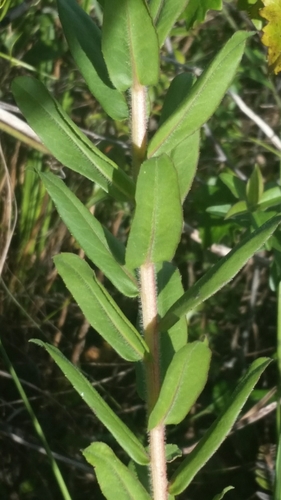
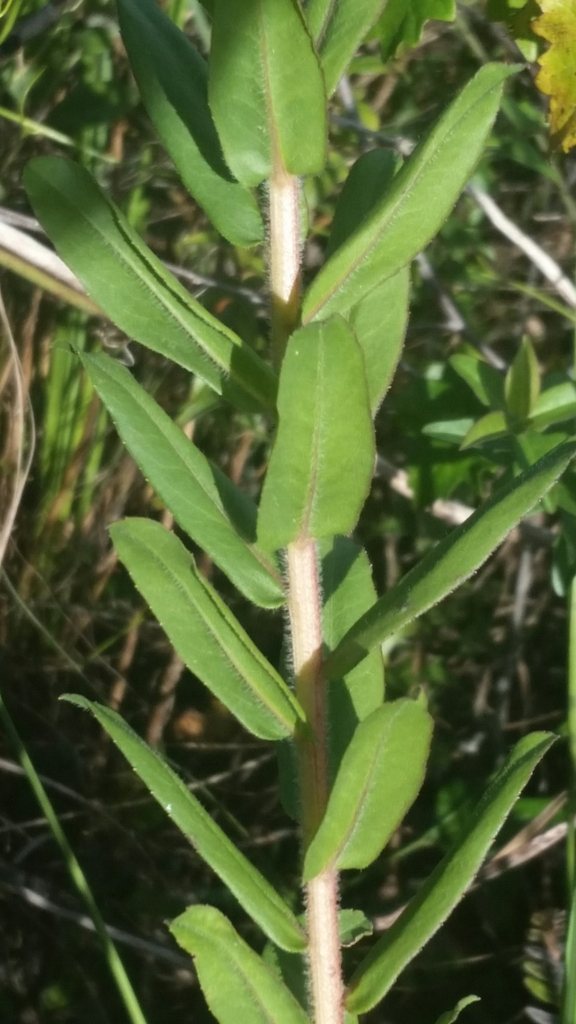
—observations
—countries
—peak records
Least ConcernConservation statusIUCN Red List categoriesLCNTVUENCREWEXLeast ConcernRed List categories, explained →
Diet & prey
- Photosynthesis (autotroph)
Predators
- White-tailed Deer
- Goldenrod Gall Fly
- Lygus Bugs
ThreatsWetland drainage, coastal development, and fire suppression
HabitatsBogs, wet pine flatwoods, savannahs, marsh borders, and moist roadside ditches
Life spanPerennial (indefinite via rhizomes)
Size / weightNot available
Classification
- FamilyAsteraceae
- SpeciesSolidago fistulosa
Range data is not available yet.
Interaction riskLow
- Low
- Moderate
- High
- Very high
- Why interaction risk is low
- Safe to observe at a normal distance.
Responsible observation
- Stem Check: Gently squeeze the lower stem to feel the hollow, sponge-like structure unique to this wetland species.
- Pollinator Watching: Visit on sunny autumn afternoons to spot diverse native bees, wasps, and migrating butterflies.
- Habitat Clue: Look for it in perpetually moist roadside swales and bog margins alongside pitch pines and pitcher plants.
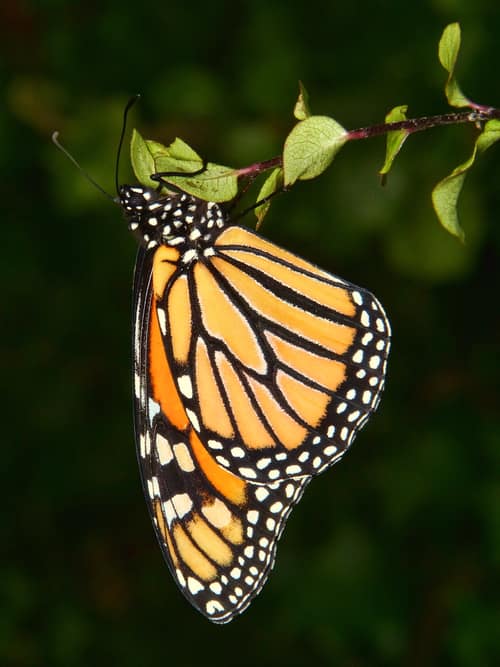
Pollinator Sid Mosdell from New Zealand / CC BY 2.0 · cc-by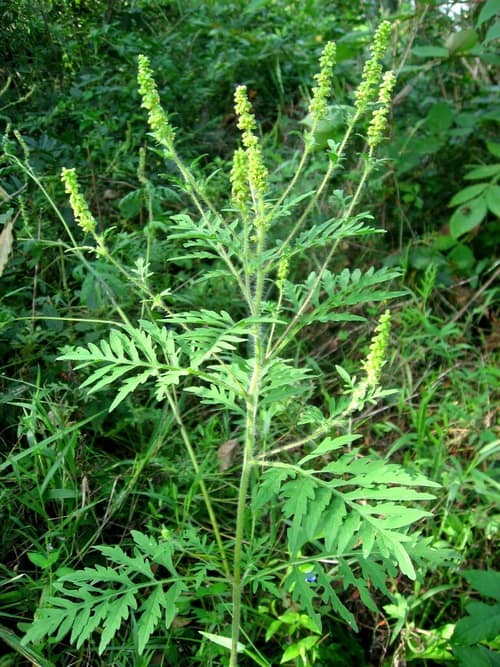
Look-alike (c) Qwert1234, some rights reserved (CC BY-SA) · cc-by-sa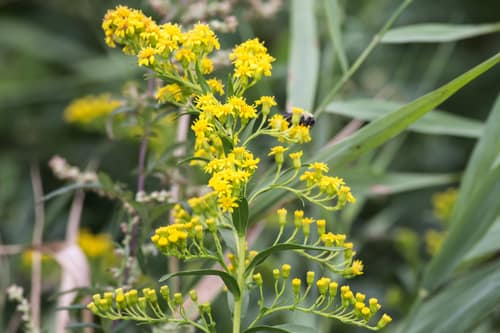
Close Relative (c) Bill Keim, some rights reserved (CC BY) · cc-by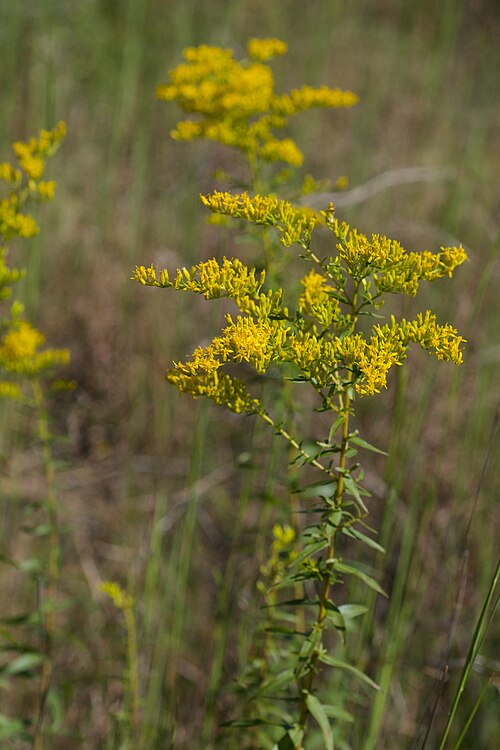
Close Relative Eric Hunt / CC BY-SA 4.0 · cc-by-sa
Help improve the field guideSomething wrong?
Checking your Fauna account…Report a name, category, or profile issue for review.