
Plant · GBIF taxon 5389083
Early Goldenrod
Solidago junceaAlso known as Plume Goldenrod, Yellow Top
Early goldenrod is one of the first goldenrods to bloom in eastern North America, lighting up fields and dry meadows with dense, arching yellow plumes by midsummer. Its smooth, hairless stems bear narrow leaves with characteristic tiny leafy tufts tucked into the upper leaf axils. As an essential early nectar source, it attracts a diverse array of native bees, butterflies, and beetles well before the main autumn floral flush.
FloweringNativePollinator Magnet
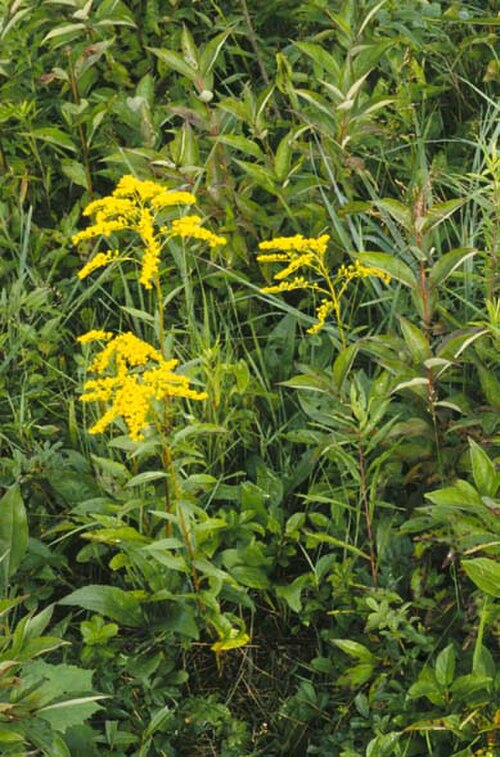
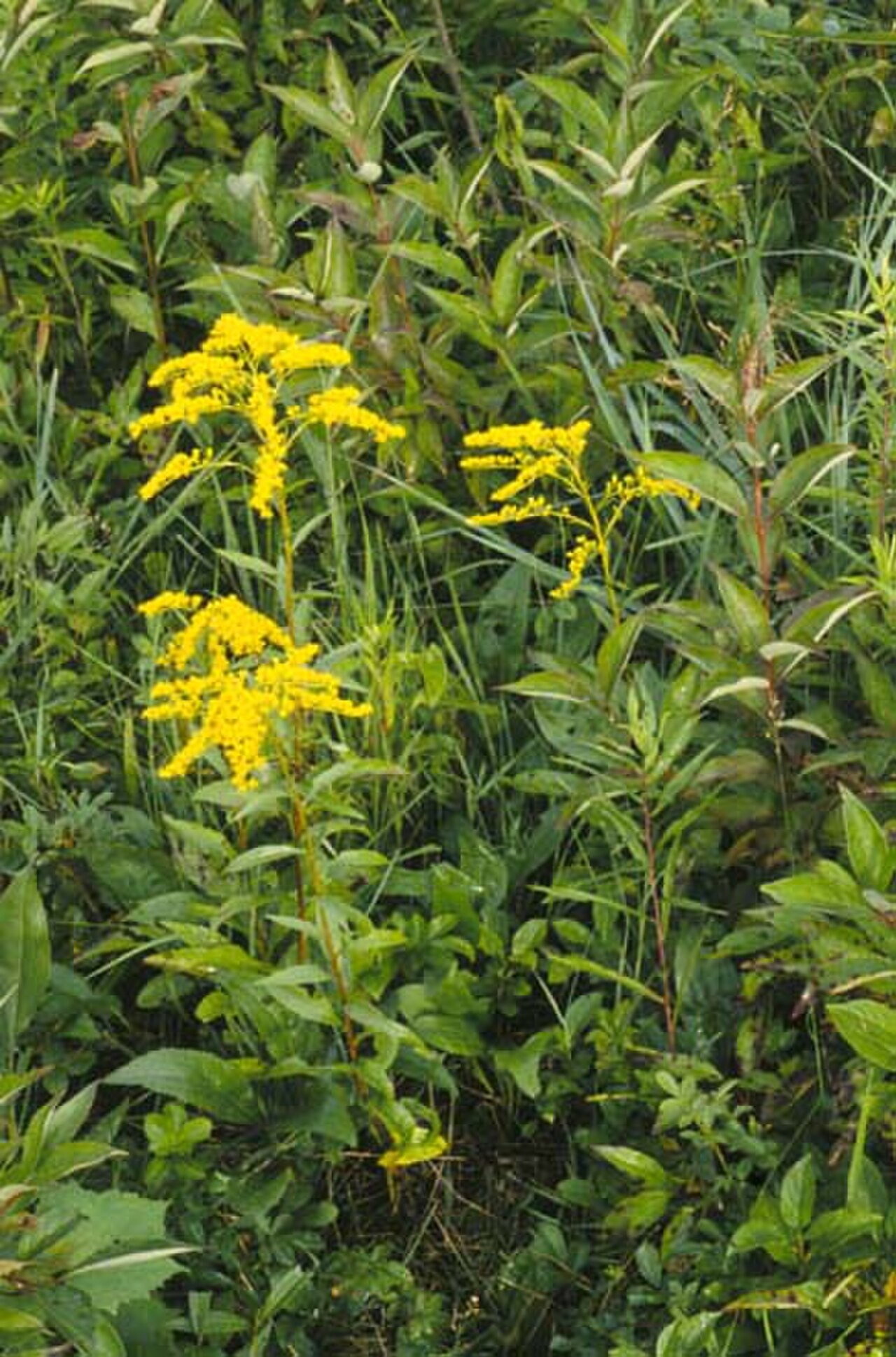
—observations
—countries
—peak records
Least ConcernConservation statusIUCN Red List categoriesLCNTVUENCREWEXLeast ConcernRed List categories, explained →
Diet & prey
- Autotrophic (Photosynthesis)
Predators
- White-tailed Deer
- Grasshoppers
- Goldenrod Beetles
ThreatsHabitat loss, invasive plant competition, and untimely mowing
HabitatsFields, prairies, dry meadows, roadsides, and open oak woodlands
Life spanPerennial (5–15+ years)
Classification
- OrderAsterales
- FamilyAsteraceae
- GenusSolidago
- SpeciesSolidago juncea
Range data is not available yet.
Interaction riskLow
- Low
- Moderate
- High
- Very high
- Why interaction risk is low
- Safe to observe at a normal distance.
Responsible observation
- Spotting: Look for rich yellow arching plumes early in July and August along dry, sunny field edges.
- Identification: Examine the main stem for a smooth, hairless texture and small leaf tufts in the leaf axils.
- Photography: Position your camera early in the morning when native bees are moving slowly on the flowers.
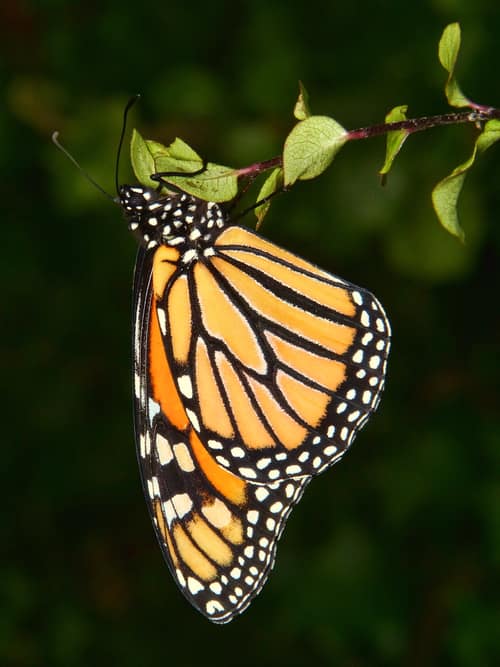
Pollinator Sid Mosdell from New Zealand / CC BY 2.0 · cc-by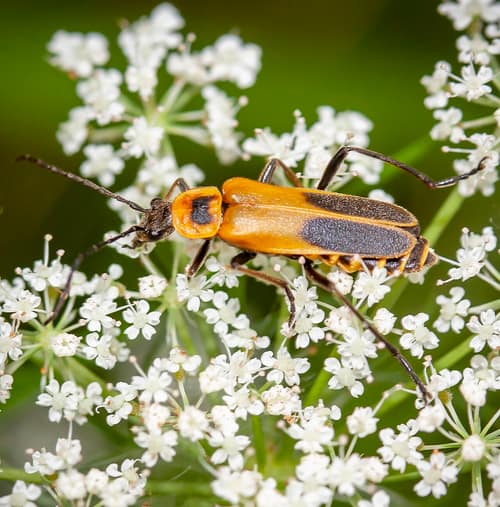
Pollinator WanderingMogwai / CC BY-SA 4.0 · cc-by-sa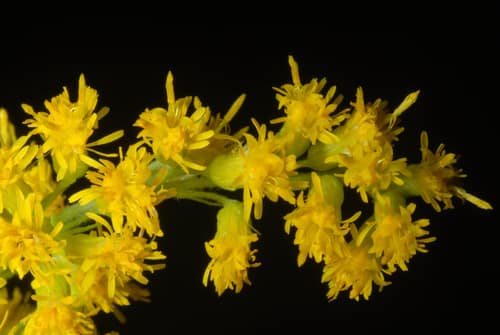
Close Relative (c) Douglas Goldman, some rights reserved (CC BY-SA), uploaded by Douglas Goldman · cc-by-sa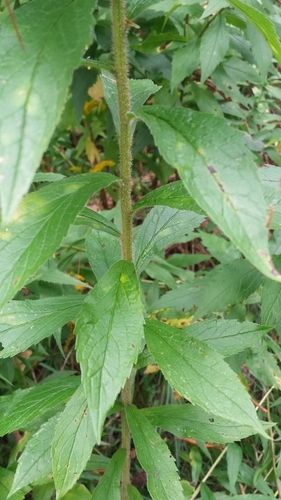
Close Relative (c) Tom Norton, some rights reserved (CC BY), uploaded by Tom Norton · cc-by
Help improve the field guideSomething wrong?
Checking your Fauna account…Report a name, category, or profile issue for review.