
Plant
Tall Goldenrod
Solidago altissimaAlso known as Late Goldenrod, Canada Goldenrod Subspecies
Tall goldenrod dominates autumn landscapes with dense, pyramid-shaped clusters of tiny golden-yellow flower heads. Spreading vigorously through underground rhizomes, a single plant rapidly forms extensive clonal patches in sunny fields and disturbed soils. These late-season blooms provide a critical nectar reservoir for migrating monarch butterflies, native bees, and overwintering wasps.
Late BloomerPollinator MagnetPerennial
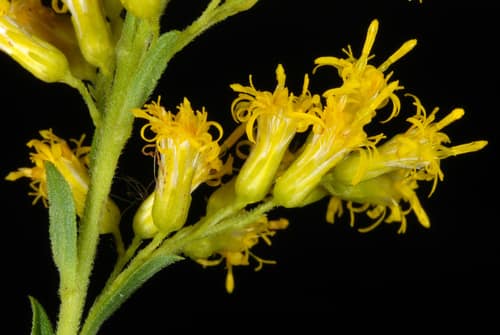
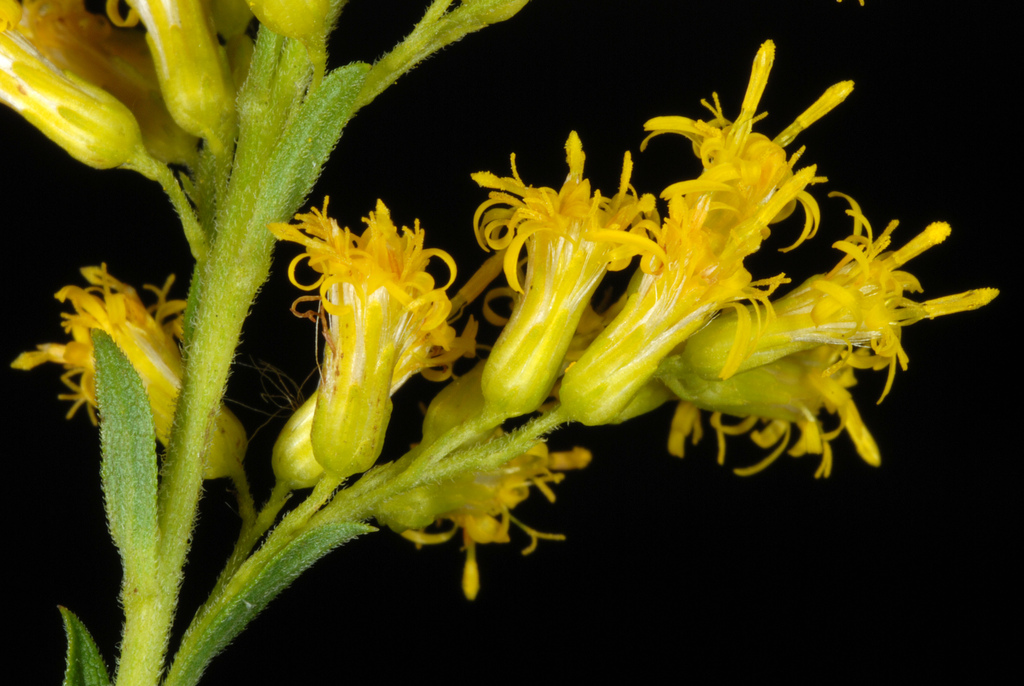
—observations
—countries
—peak records
Least ConcernConservation statusIUCN Red List categoriesLCNTVUENCREWEXLeast ConcernRed List categories, explained →
Diet & preyAutotrophic (Photosynthetic)
Predators
- Goldenrod Gall Fly
- Goldenrod Leaf Beetle
- White-Tailed Deer
ThreatsHerbicide spraying, intensive lawn mowing, agricultural development
HabitatsFields, roadsides, meadows, prairies, open woods, disturbed soil
Life spanPerennial (rhizome colonies survive for decades)
Classification
- OrderAsterales
- FamilyAsteraceae
- GenusSolidago
- SpeciesSolidago altissima
Range data is not available yet.
Interaction riskLow
- Low
- Moderate
- High
- Very high
- Why interaction risk is low
- Safe to observe at a normal distance.
Responsible observation
- Look for Stem Galls: Inspect lower stems in late summer for swollen ball galls crafted by gall fly larvae.
- Observe Pollinators: Stand near flowering stands on sunny autumn afternoons to watch dozens of feeding bee and wasp species.
- Distinguish from Ragweed: Notice the showy, insect-pollinated yellow plumes, which differ from ragweed's dull, wind-pollinated green spikes.
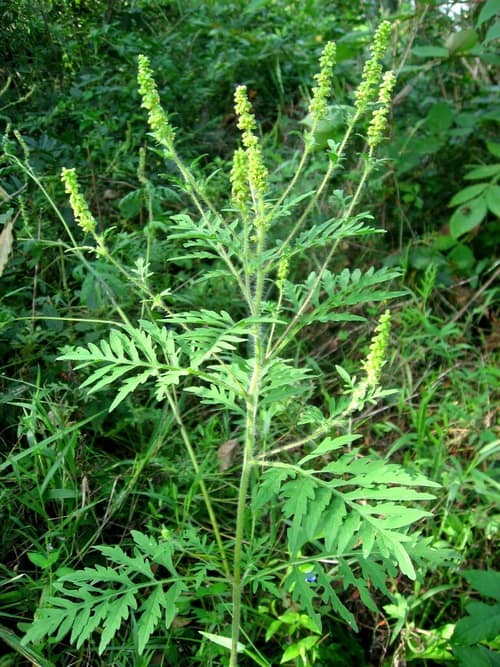
Seasonal Competitor (c) Qwert1234, some rights reserved (CC BY-SA) · cc-by-sa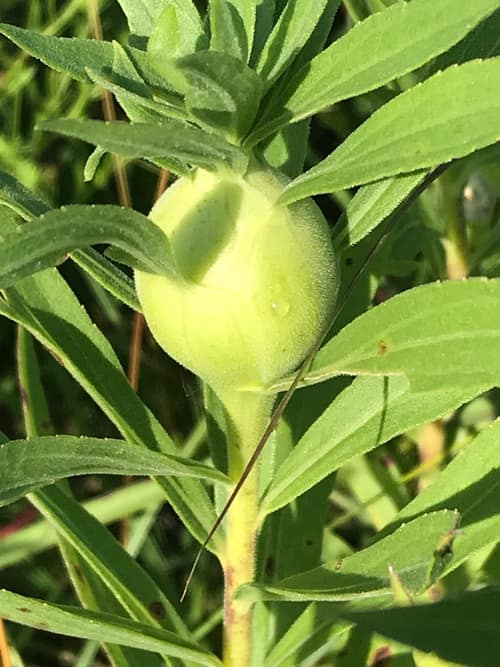
Host Plant (c) Ryan Donnelly, some rights reserved (CC BY), uploaded by Ryan Donnelly · cc-by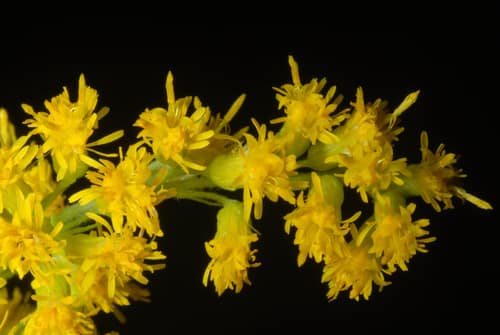
Close Relative (c) Douglas Goldman, some rights reserved (CC BY-SA), uploaded by Douglas Goldman · cc-by-sa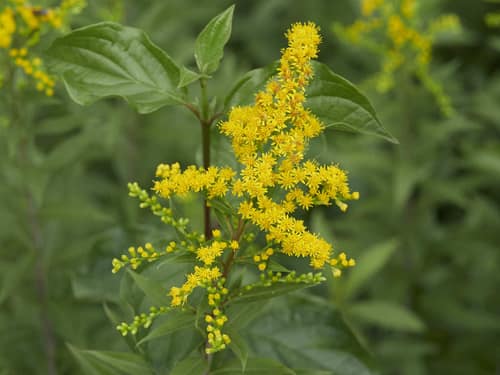
Close Relative (c) Andreas Stiller, some rights reserved (CC BY), uploaded by Andreas Stiller · cc-by
Help improve the field guideSomething wrong?
Checking your Fauna account…Report a name, category, or profile issue for review.