Plant · GBIF taxon 5389029
Canada Goldenrod
Solidago canadensisAlso known as Canadian Goldenrod, Meadow Goldenrod
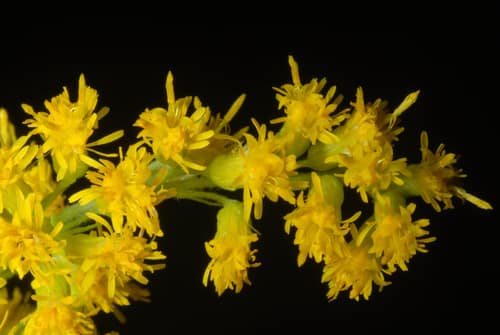
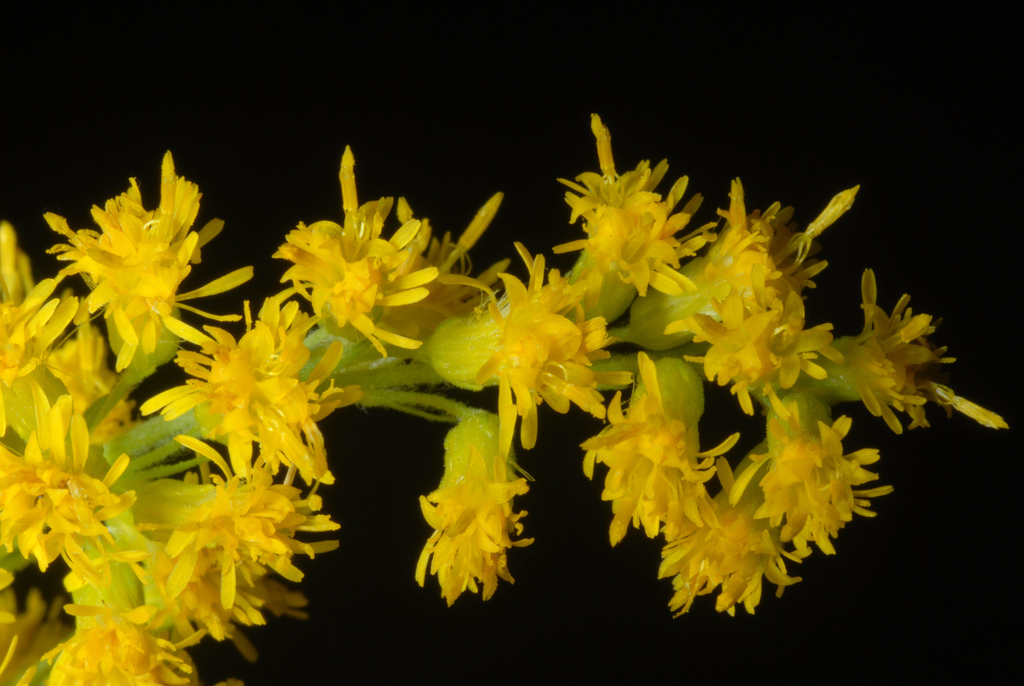
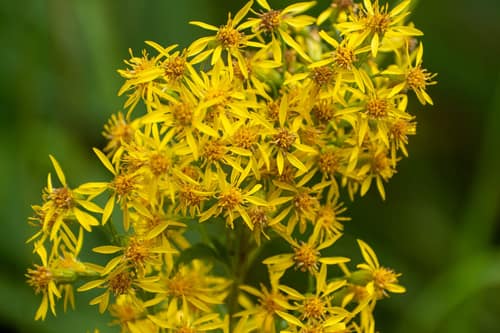
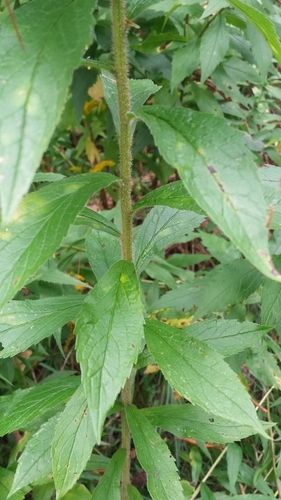
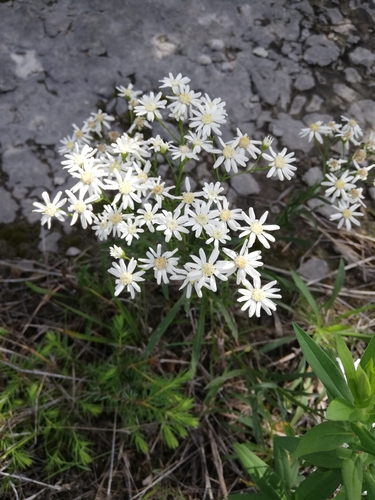
Canada goldenrod forms expansive golden stands along meadows and roadsides each late summer, spreading aggressively through persistent underground rhizomes. Hundreds of tiny yellow flower heads crowd along one-sided, arching branches, drawing dense swarms of native bees, wasps, and butterflies seeking autumn nectar. Though often wrongly blamed for seasonal hay fever, its heavy, sticky pollen relies on insect pollinators rather than wind dispersal.
FloweringPerennialPollinator Magnet
1 / 7—observations
—countries
—peak records
Least ConcernConservation statusIUCN Red List categoriesLCNTVUENCREWEXLeast ConcernRed List categories, explained →
Diet & prey
- Autotrophic (Photosynthetic)
Predators
- Goldenrod leaf beetle
- Goldenrod gall fly larvae
- White-tailed deer
ThreatsHabitat conversion, intensive herbicide application
HabitatsFields, meadows, roadsides, forest edges, disturbed soil
Life spanPerennial (indefinite via rhizomes)
Size / weightNot available
Classification
- OrderAsterales
- FamilyAsteraceae
- GenusSolidago
- SpeciesSolidago canadensis
Range data is not available yet.
Interaction riskLow
- Low
- Moderate
- High
- Very high
- Why interaction risk is low
- Safe to observe at a normal distance.
Responsible observation
- Observation Timing: Look for peak golden blooms from late summer through early autumn when pollinators cluster on the flowers.
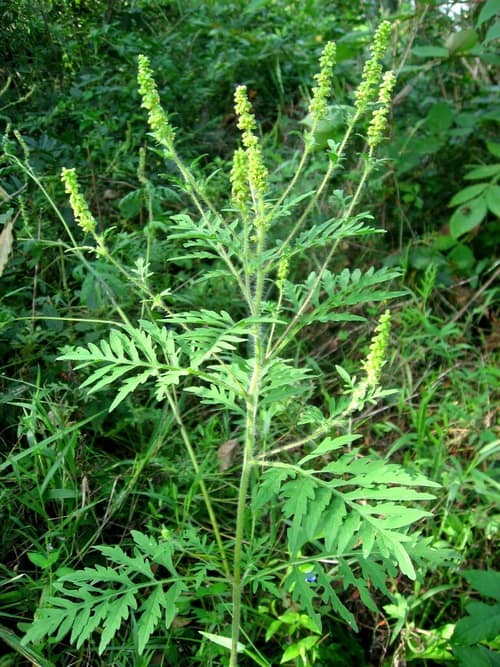
- Allergy Identification: Notice the showy yellow blossoms with sticky pollen; wind-pollinated ragweed blooming simultaneously is the true hay fever trigger.
- Garden Placement: Plant in contained borders or native wild meadows to manage its vigorous rhizomatous spread.

Help improve the field guideSomething wrong?
Checking your Fauna account…Report a name, category, or profile issue for review.