
Plant · GBIF taxon 5389017
Giant Goldenrod
Solidago giganteaAlso known as Late Goldenrod, Smooth Goldenrod
Giant goldenrod crowns damp meadows and stream banks with feathery, arching sprays of bright yellow blossoms throughout late summer and early autumn. Smooth, often purplish stems rise vigorously from spreading underground rhizomes, forming dense leafy colonies that provide vital late-season nectar for migrating monarch butterflies and native bees. While native across North America, this vigorous perennial has established persistent invasive populations across Europe and Asia by outcompeting local riverbank plants.
FloweringPerennialPollinator Magnet
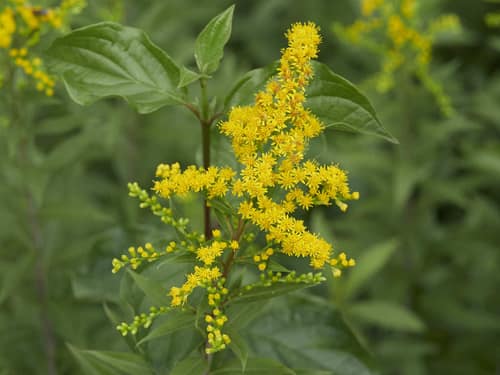
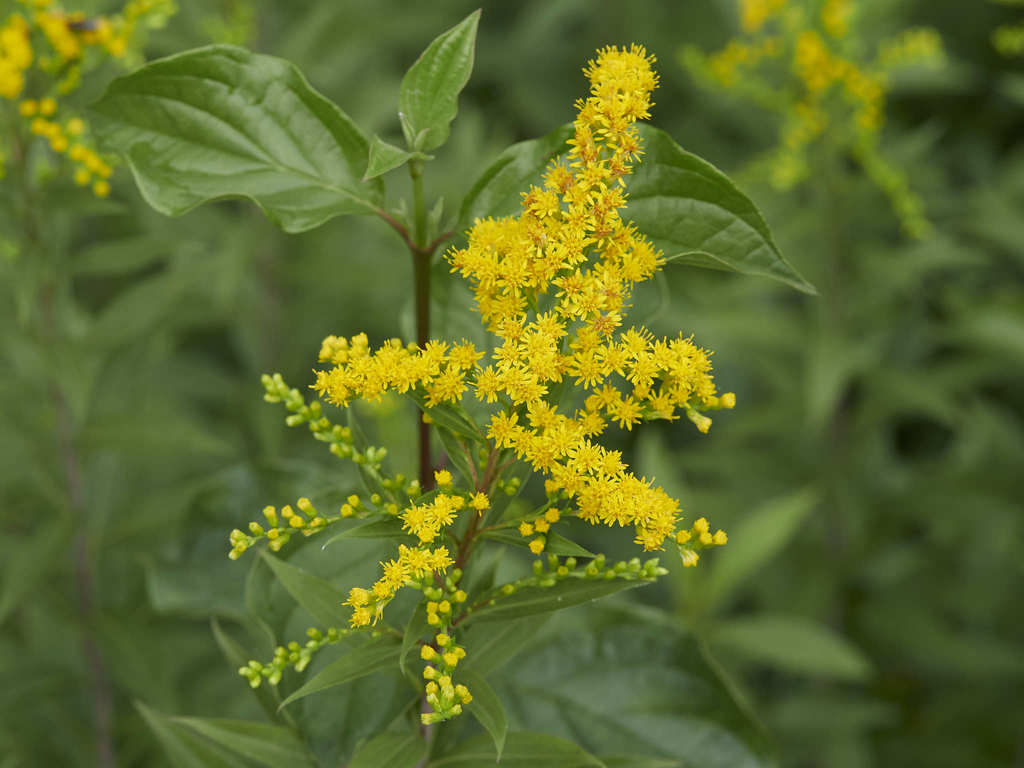 1 / 7
1 / 7—observations
—countries
—peak records
Least ConcernConservation statusIUCN Red List categoriesLCNTVUENCREWEXLeast ConcernRed List categories, explained →
Diet & prey
- Sunlight
- Water
- Soil Minerals
Predators
- Goldenrod Gall Fly
- Aphids
- White-tailed Deer
ThreatsHabitat loss in native range; controlled as an invasive species in Europe
HabitatsMoist meadows, riverbanks, floodplains, road verges, abandoned fields
Life spanPerennial (rhizomes survive indefinitely)
Classification
- FamilyAsteraceae
- SpeciesSolidago gigantea
Range data is not available yet.
Interaction riskLow
- Low
- Moderate
- High
- Very high
- Why interaction risk is low
- Safe to observe at a normal distance.
Responsible observation
- Stem Check: Look for hairless, smooth stems below the floral branches to distinguish from look-alike goldenrods.
- Pollinator Watching: Visit flowering patches on sunny afternoons to observe dozens of visiting bee and butterfly species.
- Meadow Management: Plant in contained borders or designated native meadows to prevent rhizomes from taking over smaller gardens.
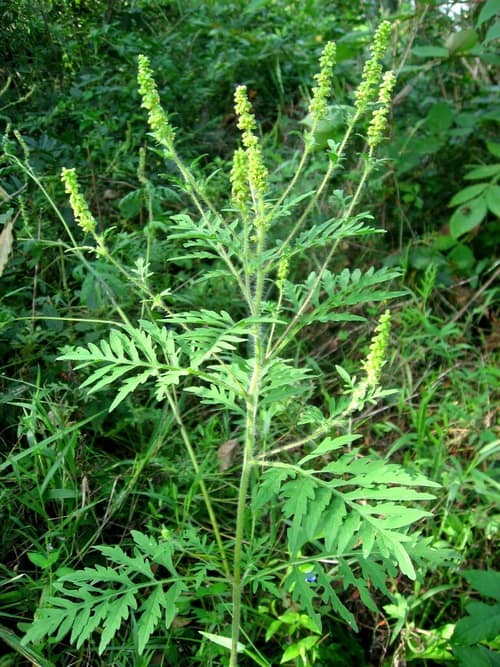
Competitor (c) Qwert1234, some rights reserved (CC BY-SA) · cc-by-sa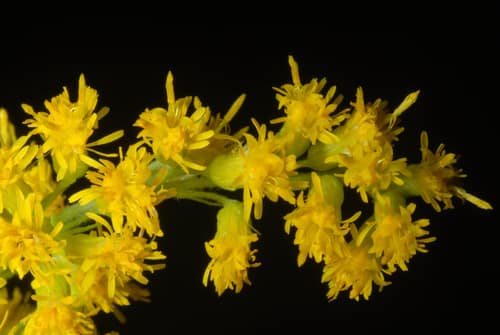
Close Relative (c) Douglas Goldman, some rights reserved (CC BY-SA), uploaded by Douglas Goldman · cc-by-sa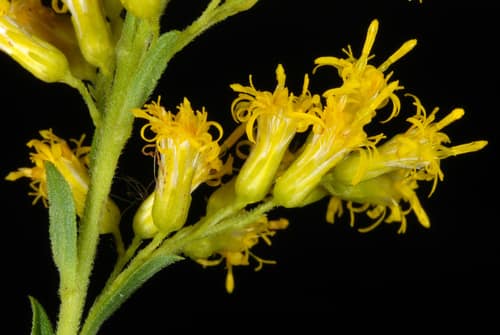
Close Relative (c) Douglas Goldman, some rights reserved (CC BY-SA), uploaded by Douglas Goldman · cc-by-sa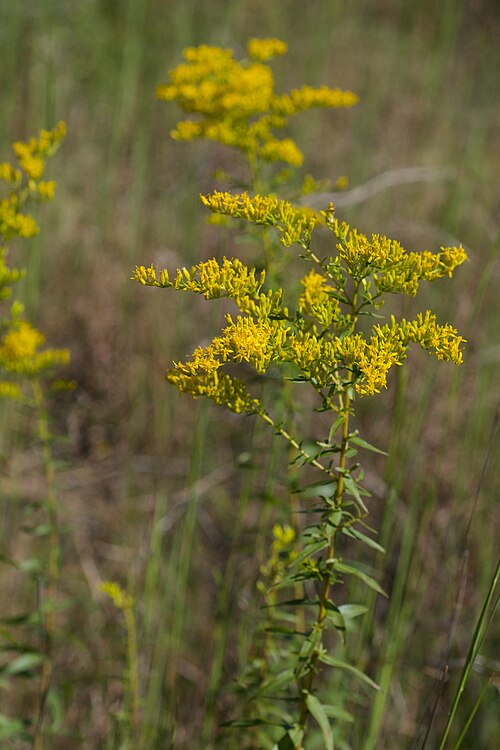
Close Relative Eric Hunt / CC BY-SA 4.0 · cc-by-sa
Help improve the field guideSomething wrong?
Checking your Fauna account…Report a name, category, or profile issue for review.