
Plant · GBIF taxon 5388927
Northern Seaside Goldenrod
Solidago sempervirensAlso known as Seaside Goldenrod, Salt-marsh Goldenrod, Beach Goldenrod
Northern seaside goldenrod is a robust coastal perennial built to withstand intense sun, wind, and salt spray along North American Atlantic shores. Thick, fleshy, waxy leaves protect the plant from moisture loss while deep roots anchor it securely in loose beach sand and marsh edges. From late summer into autumn, dense, arching spires of brilliant yellow flower heads bloom, providing a critical late season nectar source for migrating monarch butterflies and native bees.
CoastalFloweringSalt-Tolerant
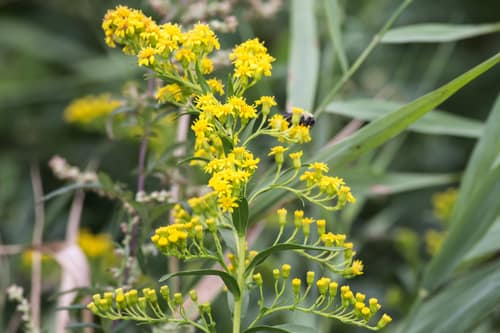
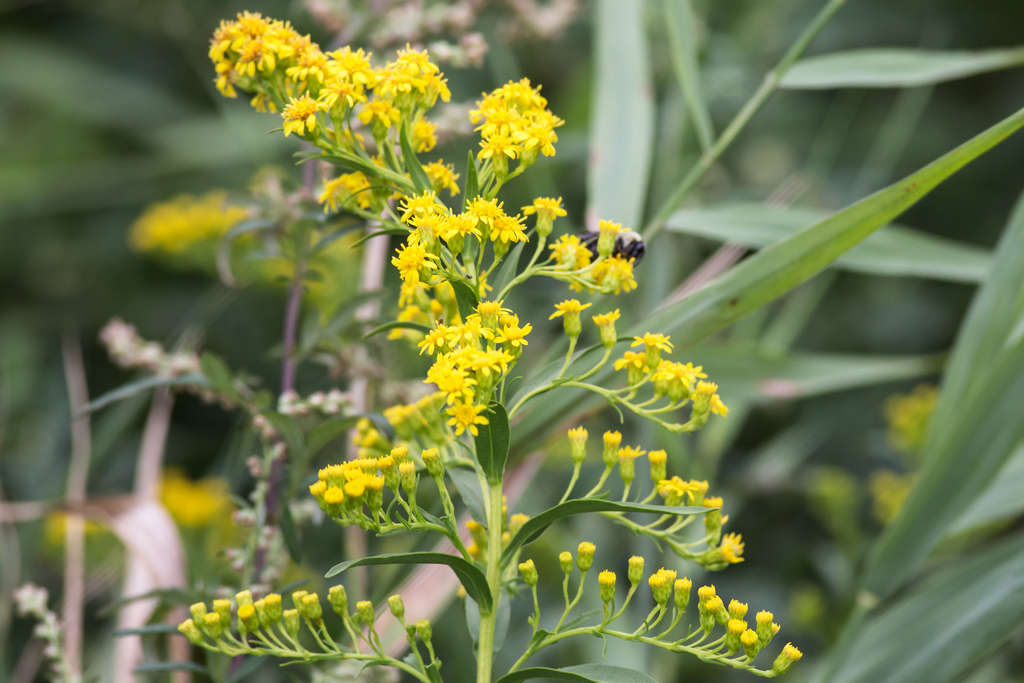
—observations
—countries
—peak records
Least ConcernConservation statusIUCN Red List categoriesLCNTVUENCREWEXLeast ConcernRed List categories, explained →
Diet & prey
- Sunlight
- Soil Minerals
- Water
Predators
- White-Tailed Deer
- Goldenrod Beetle
- Trirhabda Beetles
ThreatsCoastal development, shoreline hardening, invasive plant competition
HabitatsCoastal dunes, salt marsh edges, beaches, brackish shores, roadside embankments
Life spanPerennial
Size / weightNot available
Classification
- OrderAsterales
- FamilyAsteraceae
- GenusSolidago
- SpeciesSolidago sempervirens
Range data is not available yet.
Interaction riskLow
- Low
- Moderate
- High
- Very high
- Why interaction risk is low
- Safe to observe at a normal distance.
Responsible observation
- Autumn Observation: Look for dense flower spikes from August to October when migrating butterflies visit.
- Habitat Identification: Distinguish from inland goldenrods by its unusually thick, fleshy leaves.
- Dune Etiquette: Stay on boardwalks and paths to avoid disturbing fragile coastal dune root systems.
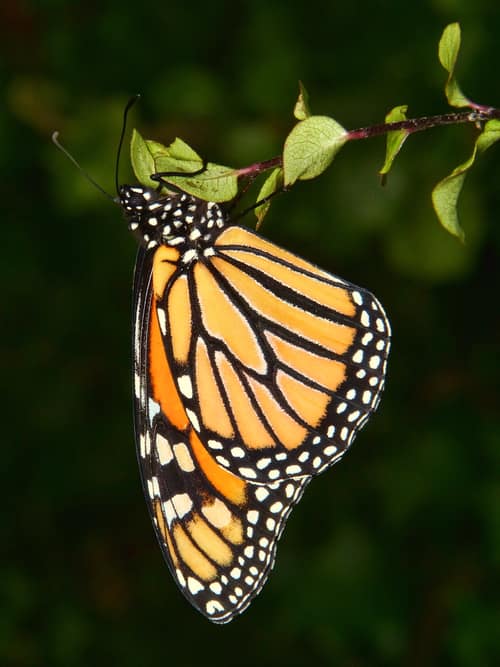
Nectar Visitor Sid Mosdell from New Zealand / CC BY 2.0 · cc-by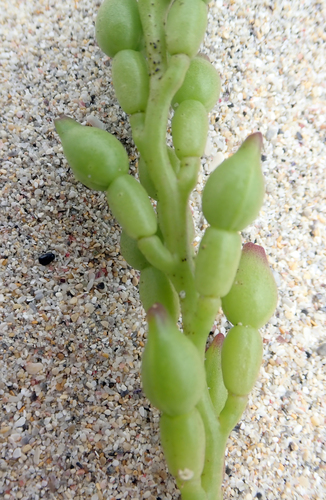
Coastal Neighbor no rights reserved, uploaded by Peter de Lange · cc0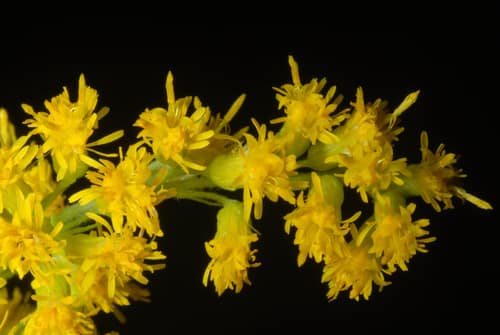
Close Relative (c) Douglas Goldman, some rights reserved (CC BY-SA), uploaded by Douglas Goldman · cc-by-sa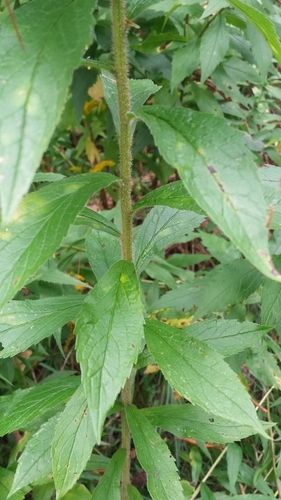
Close Relative (c) Tom Norton, some rights reserved (CC BY), uploaded by Tom Norton · cc-by
Help improve the field guideSomething wrong?
Checking your Fauna account…Report a name, category, or profile issue for review.