
Plant
Dusty Miller
Jacobaea maritimaAlso known as Silver Ragwort, Silver Dust, Beach Groundsel, Coastal Ragwort
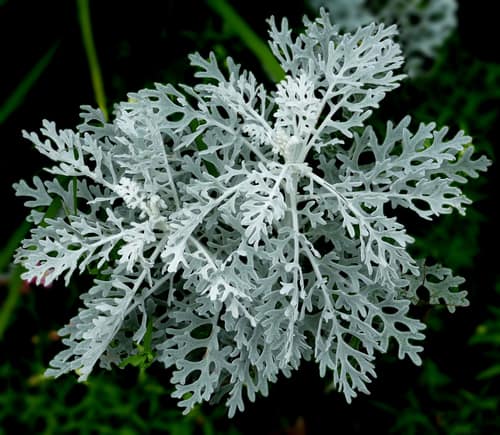
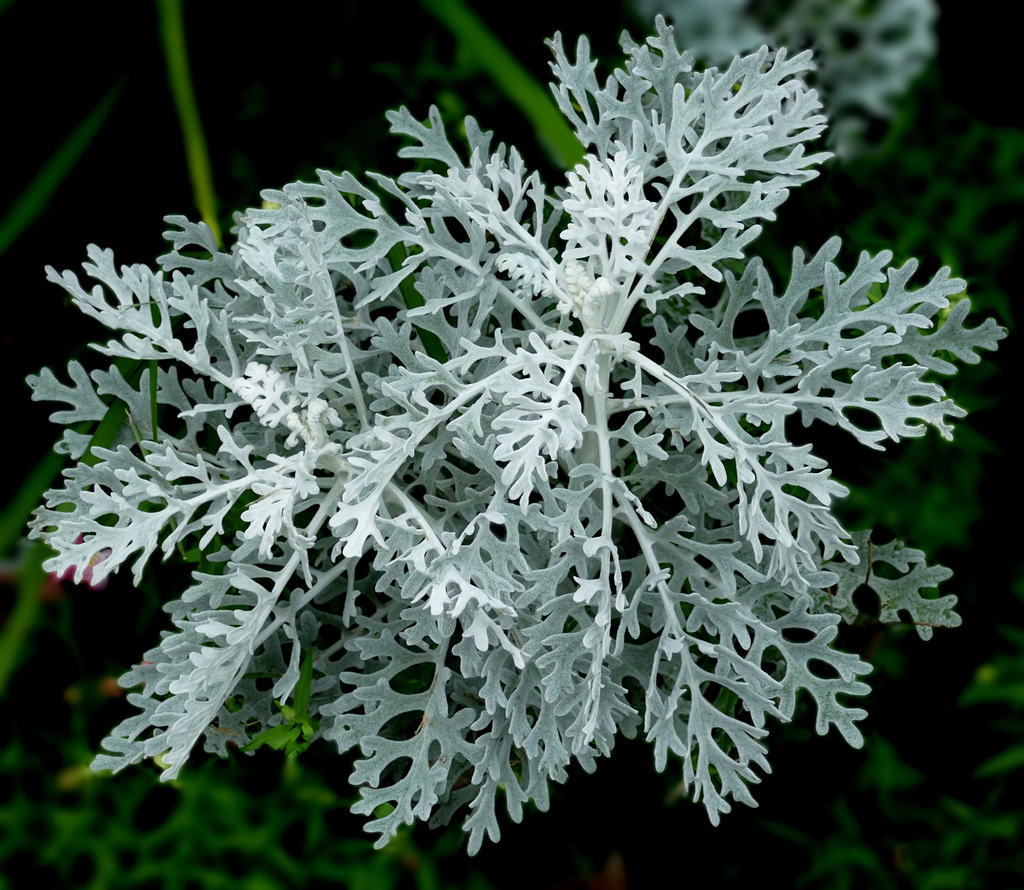
Densely matted woolly hairs cover the deeply lobed leaves of this coastal perennial, reflecting intense sunlight and trapping moisture along rocky Mediterranean cliffs. Clusters of small, mustard-yellow composite flower heads bloom in midsummer, offering a bold visual contrast against the pale, felted foliage. Widely cultivated in gardens globally, it excels as a drought-hardy border plant that readily withstands salty coastal winds.
Silver FoliageDrought TolerantMediterranean
—observations
—countries
—peak records
Not EvaluatedConservation statusIUCN Red List categoriesLCNTVUENCREWEXNot Evaluated — not placed on the risk ladderRed List categories, explained →
Diet & preySunlight, Water, Soil nutrients
Predators
- Slugs
- Snails
- Caterpillars
ThreatsCoastal urban development and prolonged severe freezing
HabitatsCoastal cliffs, rocky shores, Mediterranean scrub, gardens
Life span3–7 years
Classification
- OrderAsterales
- FamilyAsteraceae
- GenusJacobaea
- SpeciesJacobaea maritima
Range data is not available yet.
Interaction riskHigh
- Low
- Moderate
- High
- Very high
- Why interaction risk is high
- Contains toxic pyrrolizidine alkaloids; do not ingest any plant parts and keep away from pets.
- Why it is dangerous
- Contains toxic pyrrolizidine alkaloids that cause progressive liver damage and severe stomach pain if consumed.
- How to recognize a risky encounter
- Recognized by velvety, silver-white leaves with deep lacy lobes and small yellow summer flower clusters.
- What to do
- Do not consume any part of the plant, and wash hands after heavy trimming or handling.
Responsible observation
- Sunlight Exposure: Position in full sun to encourage the densest coat of reflective white leaf hairs.
- Pruning Technique: Trim back yellow flower stalks after blooming to maintain a tight, bushy foliage mound.
- Pet Safety: Keep foliage away from grazing animals, as leaf tissues contain cumulative liver toxins.
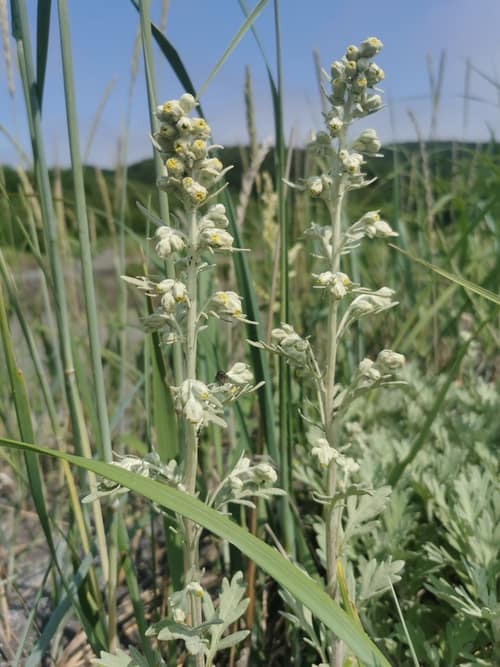
Look-alike (c) Валерия Ковалева, some rights reserved (CC BY) · cc-by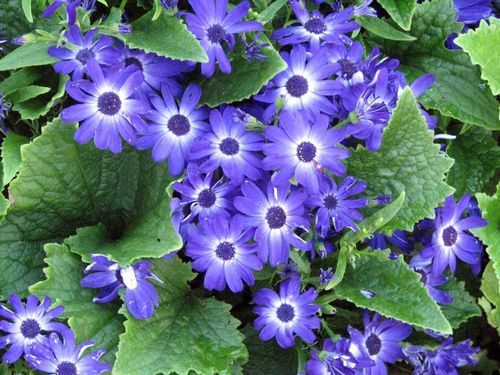
Garden Cousin (c) Jean, some rights reserved (CC BY) · cc-by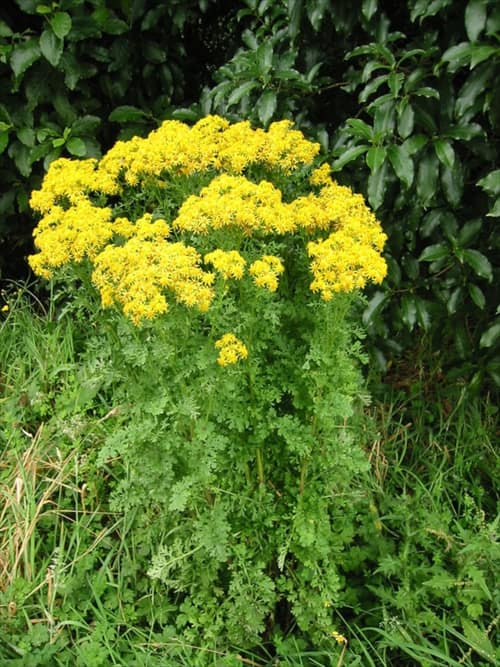
Close Relative (c) Jon Sullivan, some rights reserved (CC BY) · cc-by
Help improve the field guideSomething wrong?
Checking your Fauna account…Report a name, category, or profile issue for review.