
Plant
Oriental False Hawksbeard
Youngia japonicaAlso known as Asiatic Hawksbeard, Oriental Hawksbeard
Oriental false hawksbeard is a slender annual or biennial herb that sends up branching stems from a ground-hugging rosette of lobed leaves. Its small, bright yellow flower heads consist entirely of strap-shaped ray florets that open in sunlight and mature into tiny brown seeds topped with fluffy white bristles. Native to eastern Asia, it now thrives as a wind-dispersed colonizer of lawns, sidewalk cracks, gardens, and woodland edges across warm-temperate and tropical regions worldwide.
FloweringHerbaceousWidespread
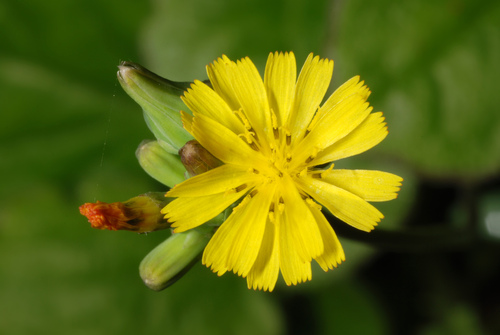
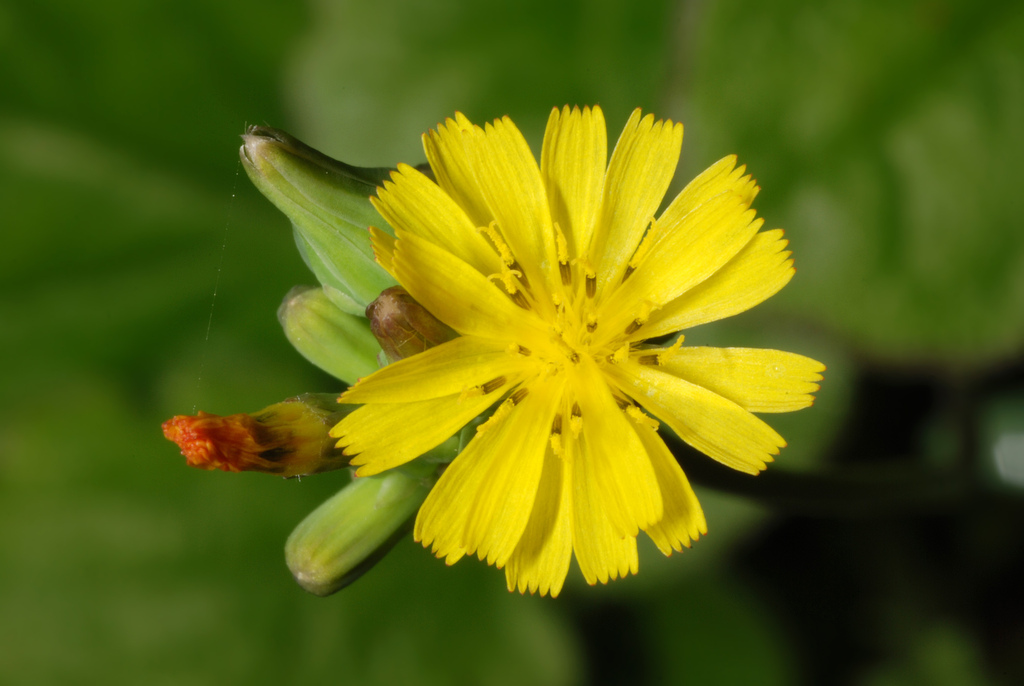
—observations
—countries
—peak records
Not EvaluatedConservation statusIUCN Red List categoriesLCNTVUENCREWEXNot Evaluated — not placed on the risk ladderRed List categories, explained →
Diet & preyPhotosynthetic (sunlight, water, and soil nutrients)
Predators
- Aphids
- Slugs
- Seed-eating songbirds
ThreatsMowing, herbicides, and trampling in managed landscapes
HabitatsLawns, gardens, roadsides, sidewalk cracks, and disturbed woodland edges
Life spanAnnual to short-lived biennial (several months to 1 year)
Classification
- OrderAsterales
- FamilyAsteraceae
- GenusYoungia
- SpeciesYoungia japonica
Range data is not available yet.
Interaction riskLow
- Low
- Moderate
- High
- Very high
- Why interaction risk is low
- Safe to observe at a normal distance.
Responsible observation
- Leaf Shape: Look for the lyre-shaped basal leaves featuring a large rounded tip lobe and smaller lobes along the base.
- Stem Sap: Notice the milky white latex inside broken stems, a hallmark trait of its dandelion-like relatives.
- Flower Timing: Observe the small yellow heads during bright midday sun when the florets open widest for pollinators.
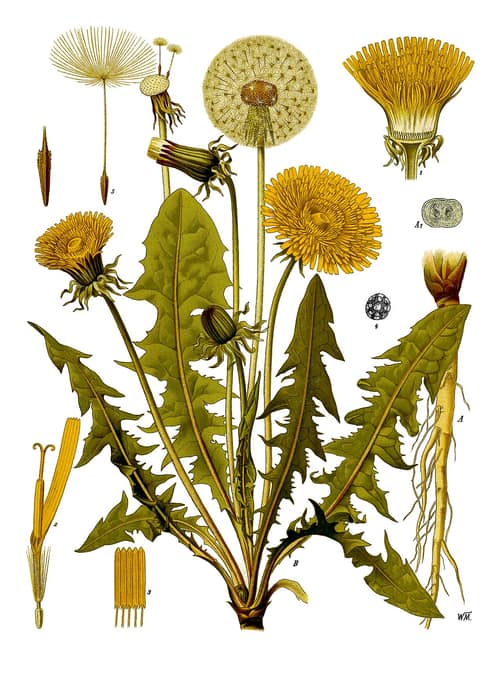
Look-alike Walther Otto Müller / Public domain · cc0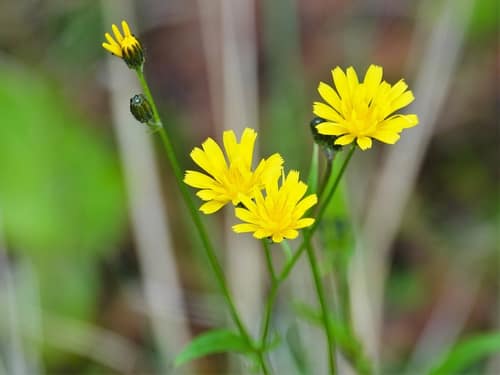
Look-alike (c) Jacqui Geux, some rights reserved (CC BY), uploaded by Jacqui Geux · cc-by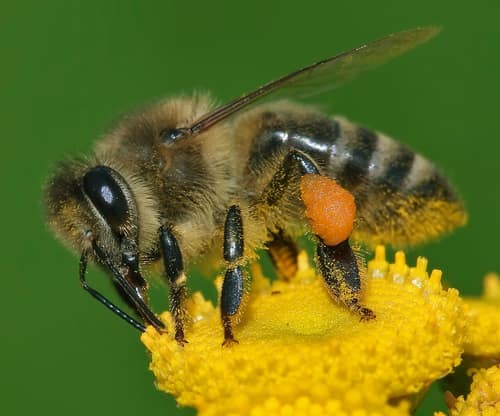
Pollinator Andreas Trepte / CC BY-SA 2.5 · cc-by-sa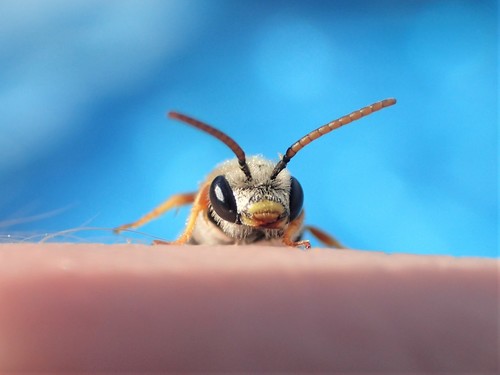
Pollinator (c) Kristen Diesburg, some rights reserved (CC BY) · cc-by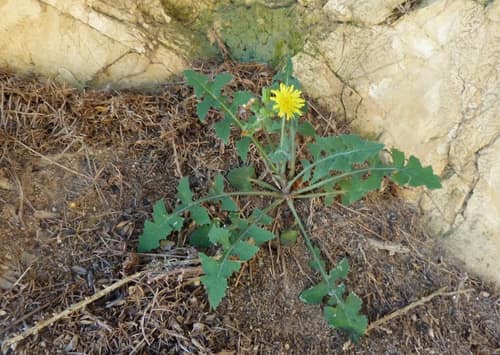
Same Family (c) Colin Meurk, some rights reserved (CC BY-SA), uploaded by Colin Meurk · cc-by-sa
Help improve the field guideSomething wrong?
Checking your Fauna account…Report a name, category, or profile issue for review.