
Plant · GBIF taxon 5387859
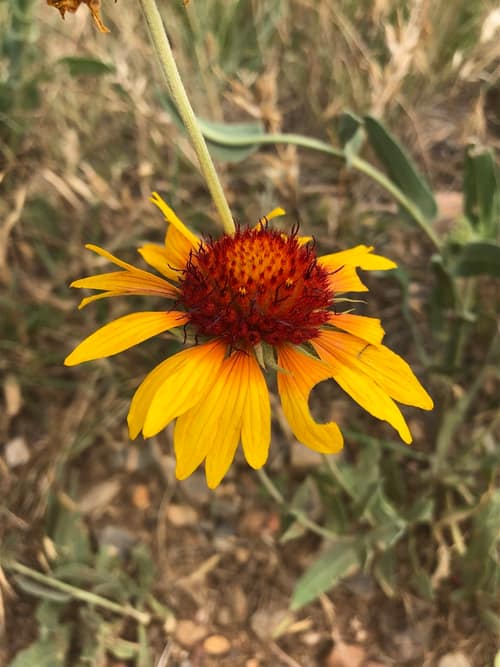
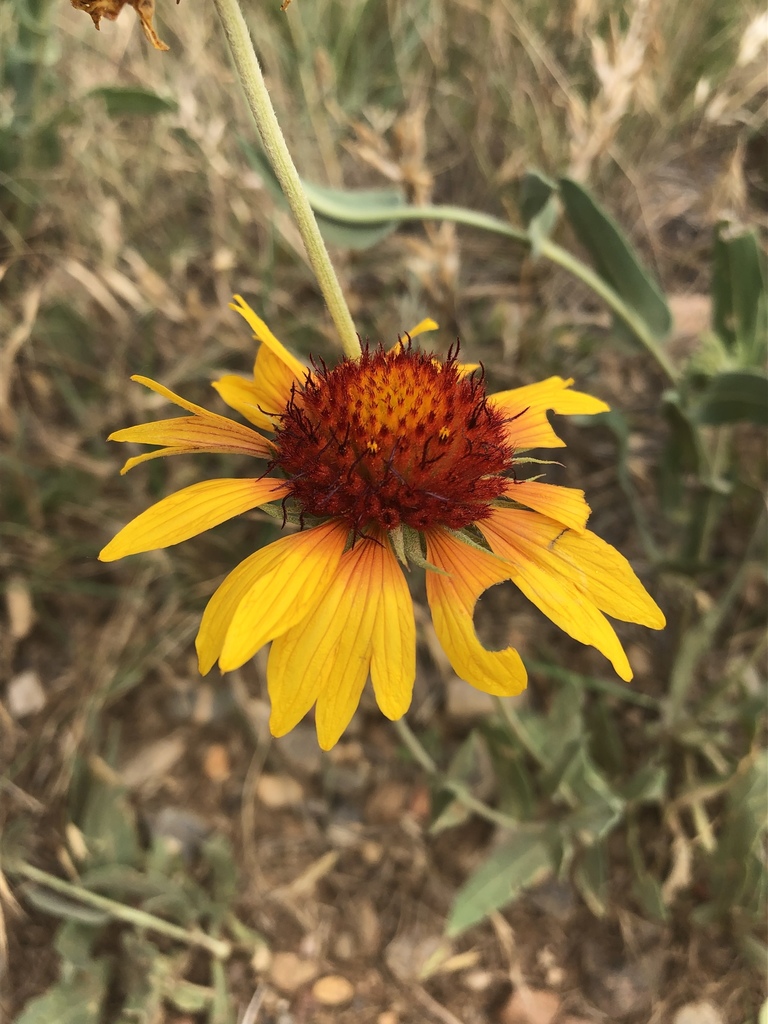
Great Blanketflower
Gaillardia aristataAlso known as Common Blanketflower, Common Gaillardia, Blanket Flower
Great blanketflower brightens dry North American prairies and mountain slopes with striking daisy-like heads of crimson petals tipped in brilliant gold. Deep taproots anchor the plant in rocky soils, allowing it to thrive through summer heat and severe droughts. Native bees and beetles depend on its rich nectar supply, while specialized moths rely on the flower heads as nursery sites for their larvae.
WildflowerDrought TolerantAttracts Pollinators
—observations
—countries
—peak records
Least ConcernConservation statusIUCN Red List categoriesLCNTVUENCREWEXLeast ConcernRed List categories, explained →
Diet & prey
- Autotrophic (photosynthesis)
Predators
- Grasshoppers
- Herbivorous caterpillars
- Grazing mammals
ThreatsHabitat conversion, weed competition, overgrazing
HabitatsDry prairies, sagebrush steppe, mountain meadows, open pine forests
Life spanPerennial (typically 3–8 years)
Size / weightNot available
Classification
- OrderAsterales
- FamilyAsteraceae
- GenusGaillardia
- SpeciesGaillardia aristata
Range data is not available yet.
Interaction riskLow
- Low
- Moderate
- High
- Very high
- Why interaction risk is low
- Safe to observe at a normal distance.
Responsible observation
- Optimal Viewing: Look for bright blooms from early summer through early autumn along sunny trails and dry slopes.
- Wildlife Watching: Check flower centers on warm mornings to spot native bees and camouflage-patterned moths.
- Garden Context: Plant in well-drained, full-sun locations to mimic native prairie conditions.
 Image unavailable
Host Plant 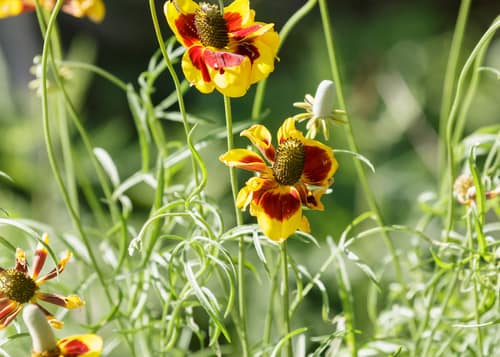
Frequent Companion (c) Meghan Cassidy, some rights reserved (CC BY-SA), uploaded by Meghan Cassidy · cc-by-sa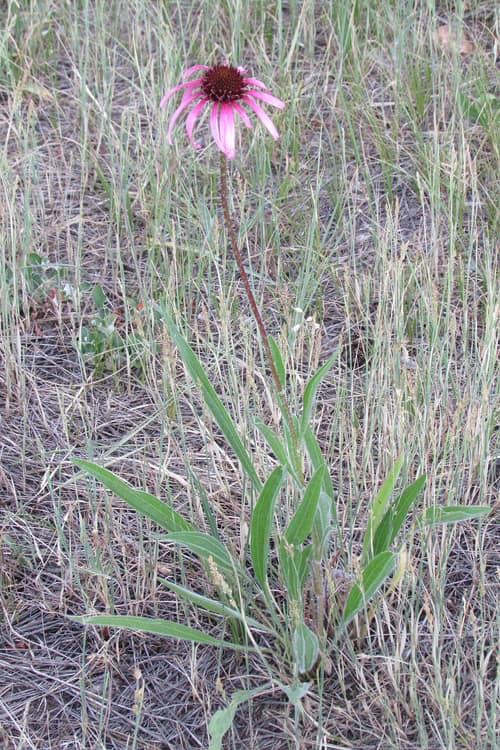
Frequent Companion Chris Light / CC BY-SA 4.0 · cc-by-sa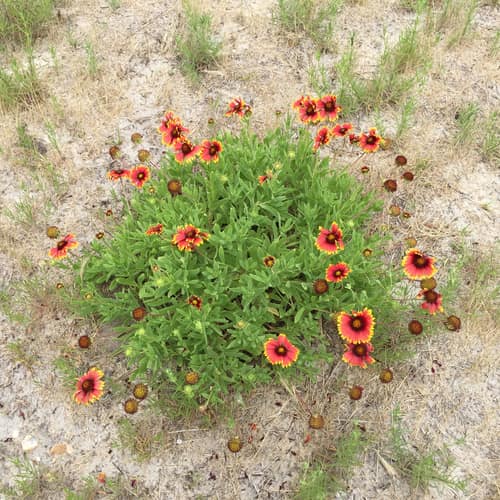
Close Relative (c) Conway Hawn, some rights reserved (CC BY), uploaded by Conway Hawn · cc-by
Help improve the field guideSomething wrong?
Checking your Fauna account…Report a name, category, or profile issue for review.