Also known as Cape Marguerite, African Daisy, Sundays River Daisy, Van Staden's River Daisy
Blue-and-white daisybushes form dense, sprawling evergreen mounds topped with striking composite flowerheads that open wide to follow the sun and close tightly on overcast days or at dusk. Native to the sandy coastal soils and cliffs of South Africa's Eastern Cape, these resilient subshrubs thrive in sea spray and arid breezes. Their long-lasting floral displays produce copious nectar, making them a central hub for foraging bees, butterflies, and beetles throughout warm months.
ThreatsUrban development in native habitats and competitive displacement where invasive
HabitatsCoastal scrub, sand dunes, rocky grasslands, and gardens
Life span5–10 years
Classification
FamilyAsteraceae
SpeciesDimorphotheca ecklonis
Range & activity
Range data is not available yet.
Safe observation
Interaction riskHigh
Low
Moderate
High
Very high
Why interaction risk is high
Foliage contains cyanogenic glycosides toxic to pets and livestock if chewed; observe safely without ingesting.
Why it is dangerous
Plant tissues contain cyanogenic glycosides that can release toxic hydrogen cyanide when chewed, causing gastrointestinal upset and breathing issues in domestic animals.
How to recognize a risky encounter
Look for subshrubby growth with narrow, toothed leaves and white daisy petals surrounding a metallic blue center.
What to do
Prevent pets and livestock from browsing the foliage, and wash hands after handling or pruning.
Responsible observation
Sun Tracking: Observe during mid-morning when the white petals unfold toward direct sunlight.
Deadheading: Remove spent flower stems to stimulate fresh flushes of blossoms throughout the season.

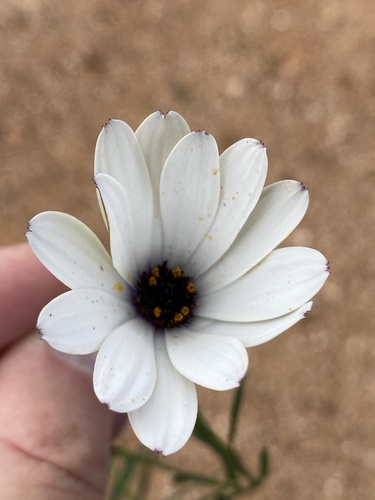
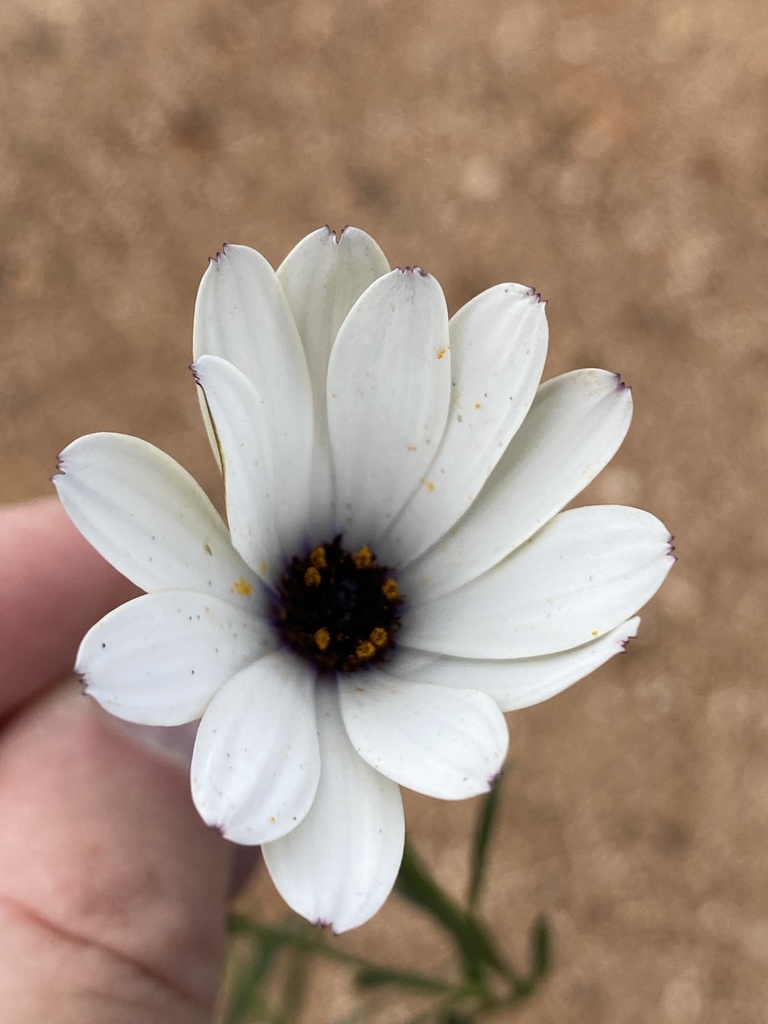
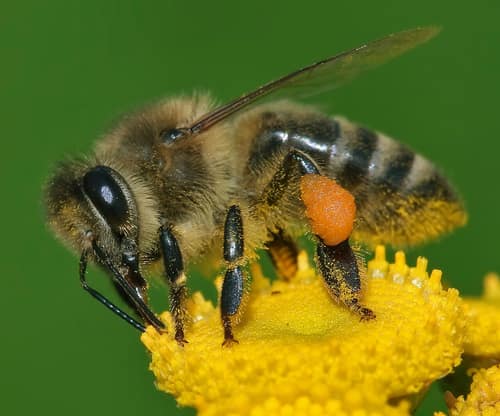
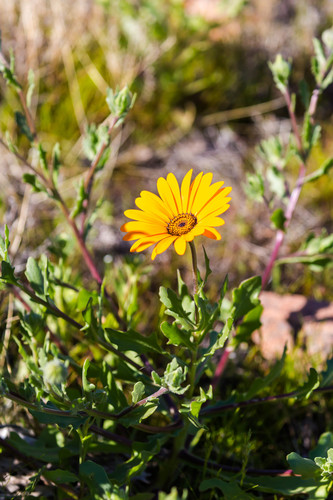
 Image unavailable