
Plant · GBIF taxon 5385923
Maryland Golden-aster
Chrysopsis marianaAlso known as Maryland Goldenaster, Golden Aster
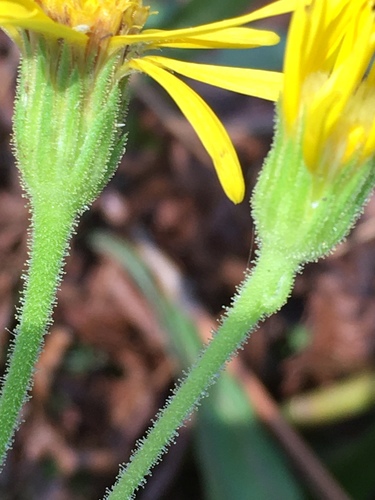
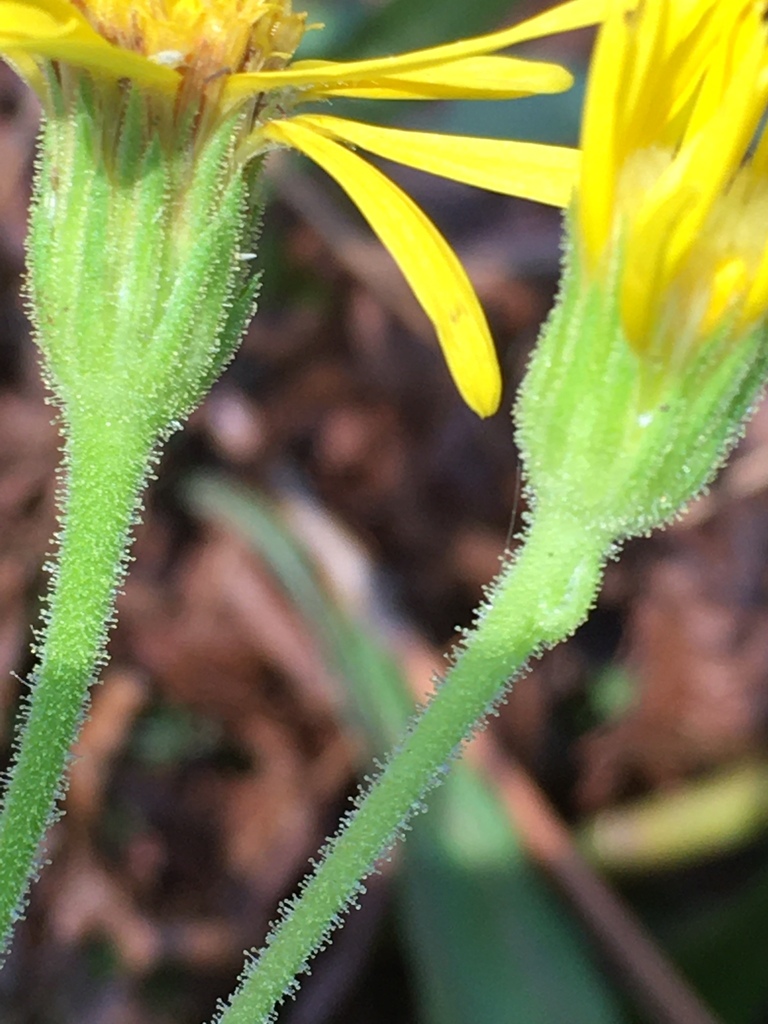
Maryland golden-aster brings vibrant yellow color to sandy pine barrens, open woodlands, and dry field edges from late summer through autumn. Its woolly, silky stems bear bright daisy-like flower heads that serve as critical late-season nectar sources for native bees and butterflies. A resilient perennial native to the eastern United States, it thrives in nutrient-poor soils where taller vegetation struggles to establish.
Yellow WildflowerLate BloomerNative Perennial
—observations
—countries
—peak records
Least ConcernConservation statusIUCN Red List categoriesLCNTVUENCREWEXLeast ConcernRed List categories, explained →
Diet & prey
- Autotrophic (Photosynthesis)
Predators
- Herbivorous Insects
- White-tailed Deer
- Rabbits
ThreatsHabitat loss, woody encroachment, roadside herbicide spraying
HabitatsPine barrens, sandy woods, roadsides, dry open fields
Life spanPerennial (several years)
Classification
- FamilyAsteraceae
- SpeciesChrysopsis mariana
Range data is not available yet.
Interaction riskLow
- Low
- Moderate
- High
- Very high
- Why interaction risk is low
- Safe to observe at a normal distance.
Responsible observation
- Look for late blooms: Flowering occurs late in the season from late August through October.
- Observe pollinators: Bright yellow flower heads attract native bees, butterflies, and skippers.
- Check for silky hair: Stems and young leaves feature distinct cobwebby or silky white hairs.
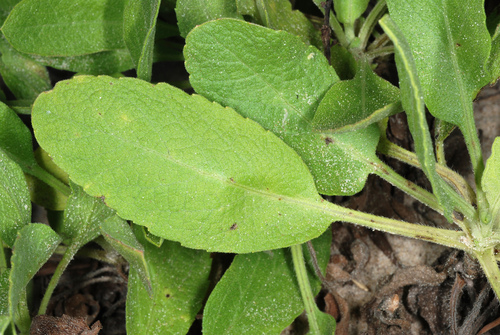
Related Aster (c) Douglas Goldman, some rights reserved (CC BY-SA), uploaded by Douglas Goldman · cc-by-sa Image unavailable
Close Relative 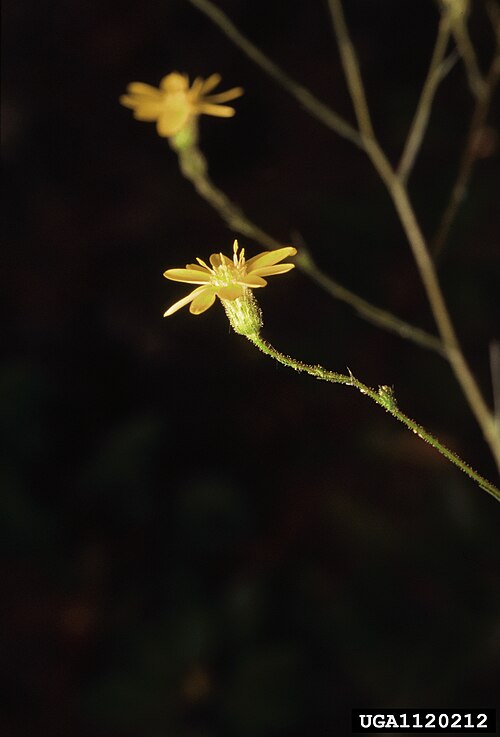
Close Relative James H. Miller & Ted Bodner, Southern Weed Science Society, Bugwood.org / CC BY 3.0 us · cc-by
Help improve the field guideSomething wrong?
Checking your Fauna account…Report a name, category, or profile issue for review.