
Plant · GBIF taxon 5384390
Red Amaranth
Amaranthus cruentusAlso known as Blood Amaranth, Purple Amaranth, Prince's Feather, Mexican Grain Amaranth
Red amaranth produces striking, erect plumes of deep magenta and burgundy flowers atop tall, stout stalks that can exceed two meters in height. Domesticated thousands of years ago across Central America, this resilient annual plant served as a core grain crop for Aztec and Mayan civilizations before spreading globally. It uses C4 photosynthesis to thrive under intense heat and drought, filling gardens and fields with vibrant color from summer into autumn.
AnnualAncient GrainShowy Bloom
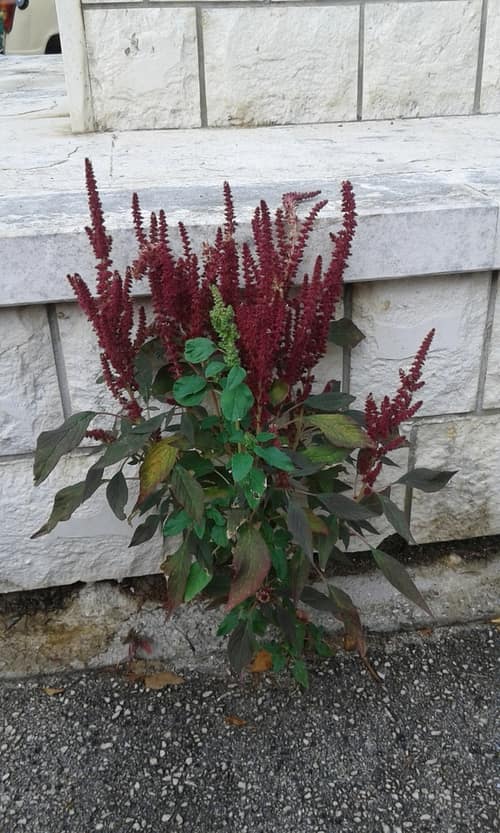
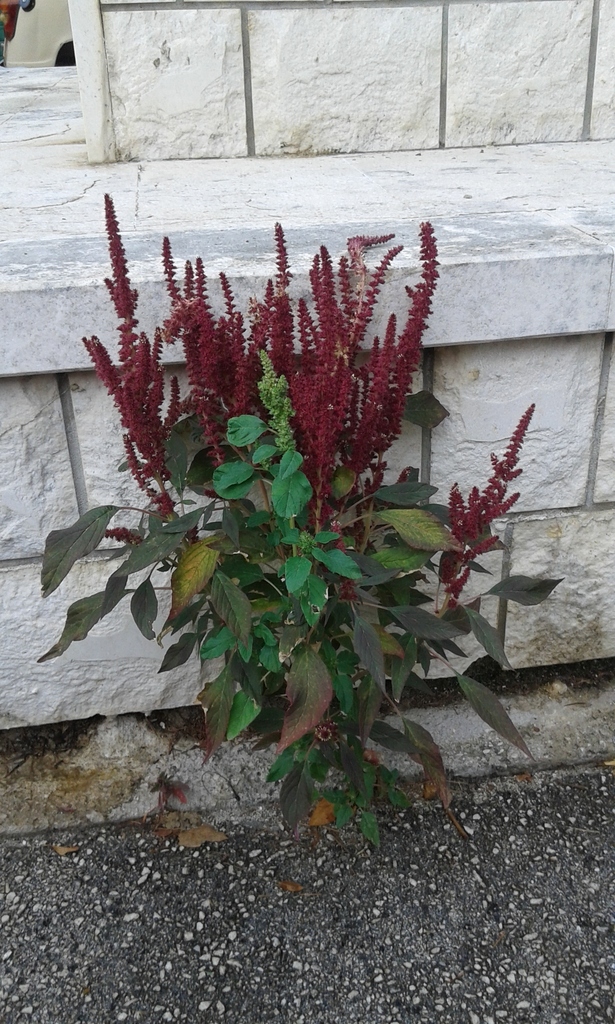 1 / 7
1 / 7—observations
—countries
—peak records
Not EvaluatedConservation statusIUCN Red List categoriesLCNTVUENCREWEXNot Evaluated — not placed on the risk ladderRed List categories, explained →
Diet & prey
- Photosynthetic
Predators
- Lepidopteran Caterpillars
- Granivorous Birds
- Herbivorous Beetles
ThreatsHabitat alteration, loss of traditional heirloom varieties
HabitatsCultivated fields, gardens, riverbanks, disturbed grounds
Life spanAnnual (1 year)
Classification
- OrderCaryophyllales
- FamilyAmaranthaceae
- GenusAmaranthus
- SpeciesAmaranthus cruentus
Range data is not available yet.
Interaction riskLow
- Low
- Moderate
- High
- Very high
- Why interaction risk is low
- Safe to observe at a normal distance.
Responsible observation
- Spotting Plumes: Look for dense, upright spikes of deep red or purple flowers from midsummer to early frost.
- Garden Placement: Provide full sun and well-draining soil, as plants handle heat better than wet roots.
- Pollinator Watching: Observe the flower heads on calm afternoons to spot visiting bees and small beetles.
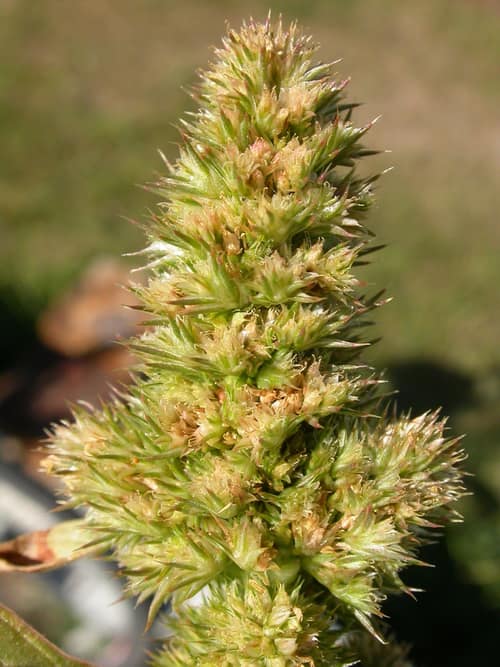
Wild Cousin (c) Matt Lavin, some rights reserved (CC BY-SA) · cc-by-sa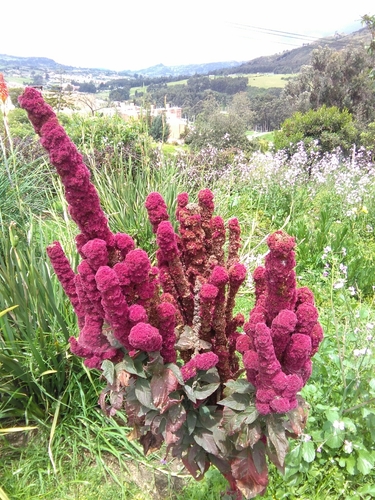
Pseudograin Peer (c) GERMAN LEONEL SARMIENTO CRUZ, some rights reserved (CC BY), uploaded by GERMAN LEONEL SARMIENTO CRUZ · cc-by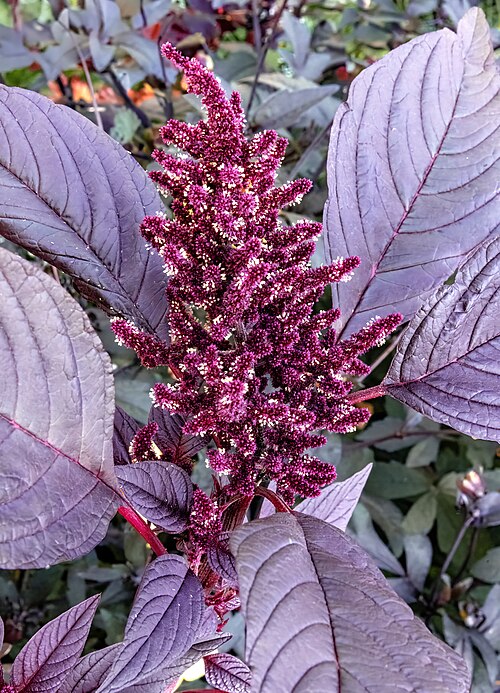
Grain Relative Didier Descouens / CC BY-SA 4.0 · cc-by-sa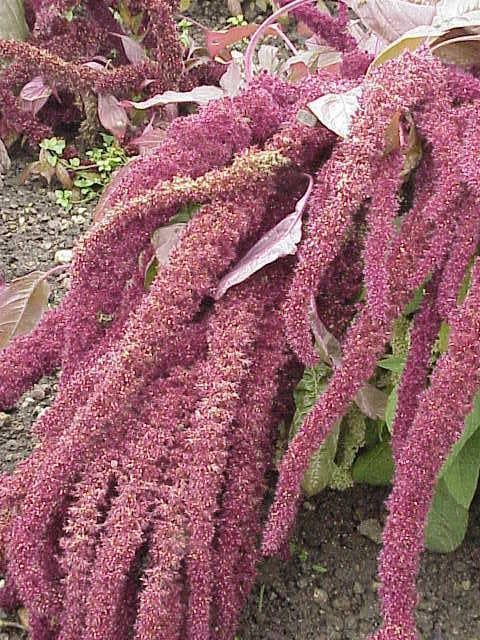
Close Relative (c) anonymous, some rights reserved (CC BY-SA) · cc-by-sa
Help improve the field guideSomething wrong?
Checking your Fauna account…Report a name, category, or profile issue for review.