
Plant · GBIF taxon 5384200
Saguaro
Carnegiea giganteaAlso known as Saguaro Cactus, Giant Cactus
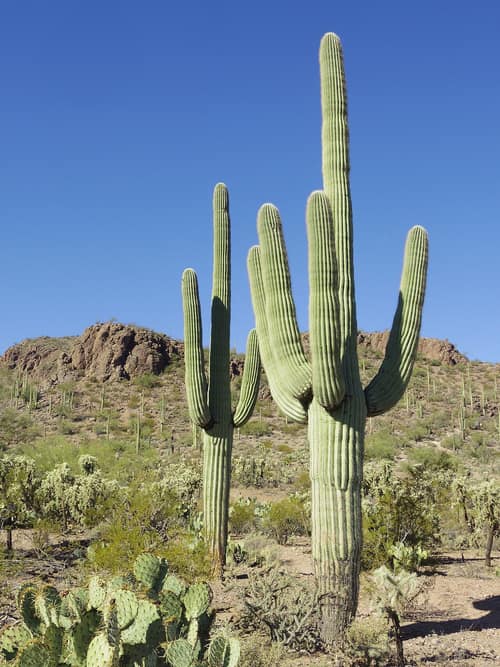
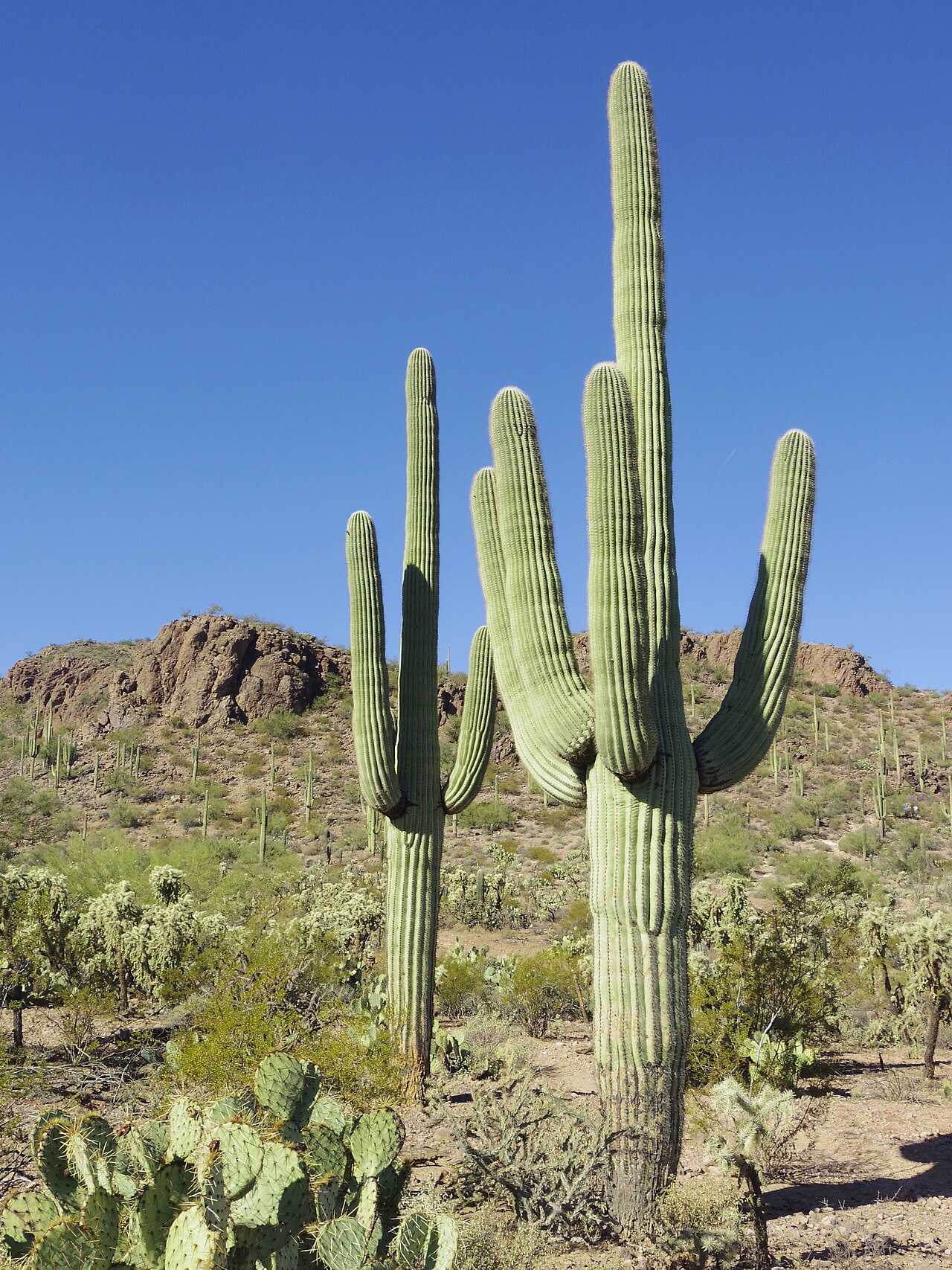
Saguaro cacti are iconic desert giants that structure entire Sonoran Desert ecosystems, growing slowly over decades to form massive, ribbed columns with branching arms. Creamy white, night-blooming flowers open on spring nights to attract bats, bees, and birds, later transforming into ruby-red fruits that sustain desert wildlife. Gila woodpeckers and gilded flickers excavate nest cavities in their woody flesh, creating vital shelter used by dozens of desert bird species.
AridSucculentIconic
—observations
—countries
—peak records
Least ConcernConservation statusIUCN Red List categoriesLCNTVUENCREWEXLeast ConcernRed List categories, explained →
Diet & prey
- Photosynthetic (autotroph)
Predators
- Javelinas
- Desert Tortoises
- White-throated Woodrats
ThreatsHabitat loss, invasive grass fires, prolonged drought, illegal poaching
HabitatsDeserts, rocky slopes, bajadas, desert scrub
Life span150–200+ years
Size / weightNot available
Classification
- OrderCaryophyllales
- FamilyCactaceae
- GenusCarnegiea
- SpeciesCarnegiea gigantea
Range data is not available yet.
Interaction riskLow
- Low
- Moderate
- High
- Very high
- Why interaction risk is low
- Wild fruits have toxic look-alikes; never eat based on app identification alone.
- What to notice
- Look for massive green columns with vertical ribs and distinct upward-curving arms on mature plants.
- Support conservation
- Observe and photograph from established trails without touching plants or compacting surrounding soil.
Responsible observation
- Respect Spines: Maintain a distance of several feet to avoid contact with sharp, rigid spines.
- Observe Night Bloomers: Visit during late spring nights or early mornings to spot open blossoms.
- Protect Nurse Plants: Avoid trampling small seedlings sheltered beneath desert trees.
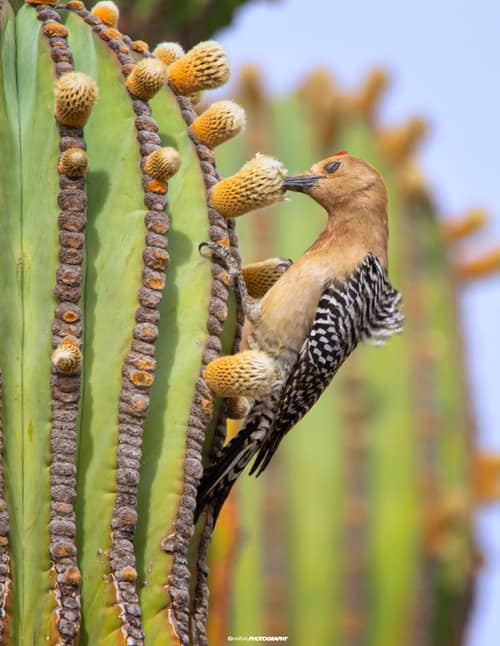
Nest Excavator (c) MarvalPhotography19, some rights reserved (CC BY), uploaded by MarvalPhotography19 · cc-by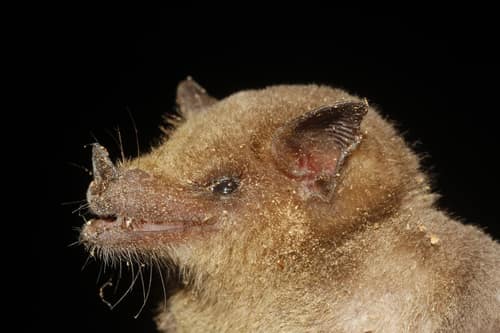
Pollinator (c) Juan Cruzado Cortés, some rights reserved (CC BY-SA), uploaded by Juan Cruzado Cortés · cc-by-sa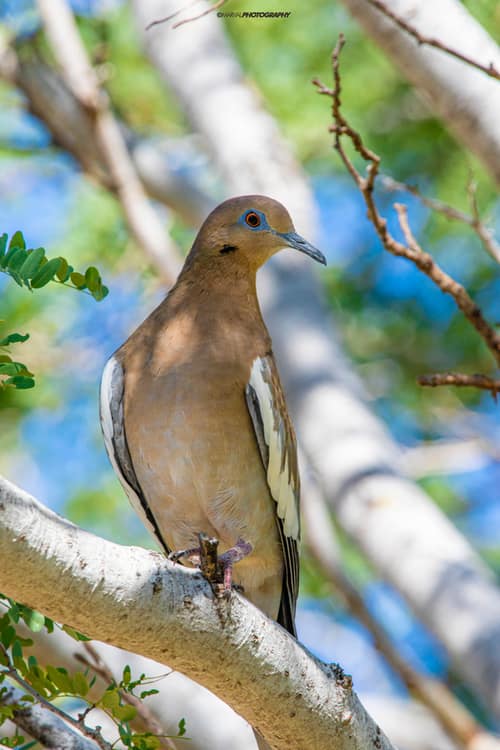
Seed Disperser (c) MarvalPhotography19, some rights reserved (CC BY), uploaded by MarvalPhotography19 · cc-by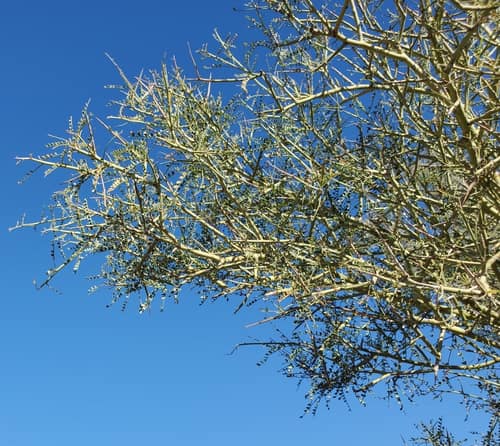
Nurse Plant (c) Bob Miller, some rights reserved (CC BY) · cc-by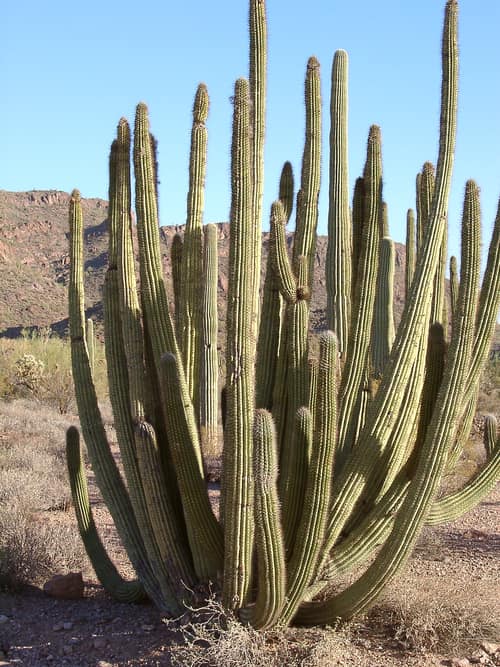
Close Relative The original uploader was Pretzelpaws at English Wikipedia. / CC BY-SA 3.0 · cc-by-sa
Help improve the field guideSomething wrong?
Checking your Fauna account…Report a name, category, or profile issue for review.