
Plant
Coastal Pricklypear
Opuntia littoralisAlso known as Sprawling Pricklypear
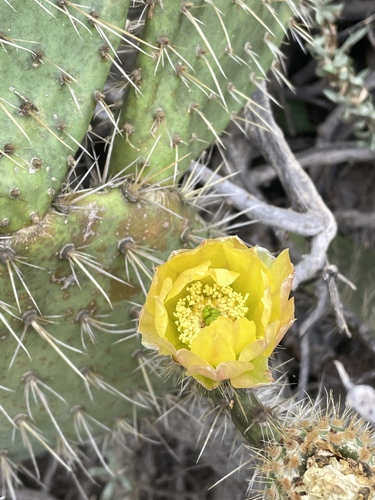
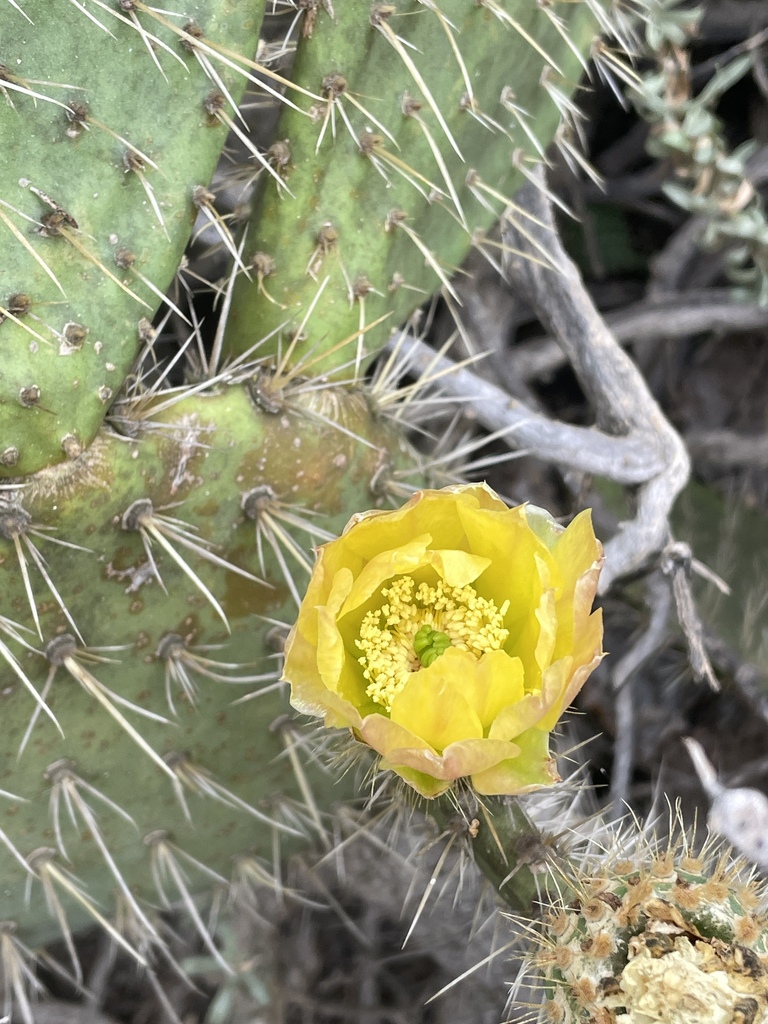
Coastal pricklypear forms dense, spreading thickets along sunny bluffs and hillsides throughout coastal southern California and Baja California. Bright yellow flowers bloom across the paddle-shaped segments in late spring, attracting native pollinators before developing into fleshy reddish-purple fruits. These low-growing thickets anchor fragile coastal soil against erosion while providing crucial nesting cover for scrub-dwelling birds and small wildlife.
SpinySucculentCoastal Scrub
—observations
—countries
—peak records
Least ConcernConservation statusIUCN Red List categoriesLCNTVUENCREWEXLeast ConcernRed List categories, explained →
Diet & preyAutotrophic (Photosynthetic)
Predators
- Cactus Bug
- Cochineal Scale
- Desert Cottontail
ThreatsUrban development, invasive non-native grasses, wildland fire frequency
HabitatsCoastal sage scrub, chaparral, ocean bluff edges
Life span20–50+ years
Classification
- OrderCaryophyllales
- FamilyCactaceae
- GenusOpuntia
- SpeciesOpuntia littoralis
Range data is not available yet.
Interaction riskLow
- Low
- Moderate
- High
- Very high
- Why interaction risk is low
- Sharp spines and tiny barbed bristles cause severe skin irritation; wild fruits have toxic look-alikes, so never eat wild plants.
- Why it is dangerous
- Densely set long spines and microscopic barbed glochids readily lodge into skin and clothing, causing painful irritation and inflammation.
- How to recognize a risky encounter
- Look for flattened oval green pads growing in sprawling mounds along coastal slopes, covered in clusters of rigid yellow-tan spines.
- What to do
- Observe from established trails, keep pets strictly on leash, and never handle the pads or wild fruits.
Responsible observation
- Trail Distance: Give sprawling clumps a wide berth, as low-growing pads can extend onto footpaths.
- Observe Flowers: Look for bright yellow blooms with reddish centers from May through July.
- Avoid Touching: Do not attempt to handle pads or fruit, as fine glochids detach instantly upon contact.
 Image unavailable
Frequent Companion 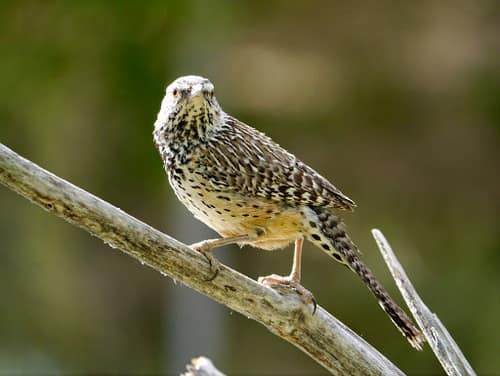
Symbiont (c) 116916927065934112165, some rights reserved (CC BY), uploaded by 116916927065934112165 · cc-by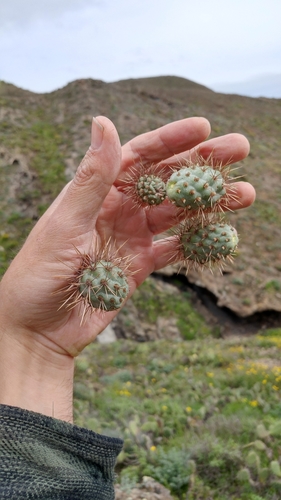
Close Relative (c) Casey H. Richart, some rights reserved (CC BY) · cc-by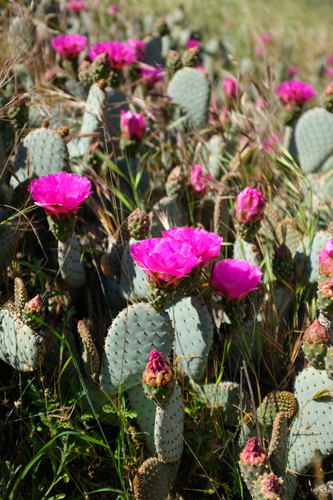
Close Relative (c) paulexcoff, some rights reserved (CC BY-SA) · cc-by-sa
Help improve the field guideSomething wrong?
Checking your Fauna account…Report a name, category, or profile issue for review.