
Plant · GBIF taxon 5384095
Plains Pricklypear
Opuntia polyacanthaAlso known as Starvation Pricklypear, Hairspine Cactus, Panhandle Pricklypear, Hungry Pricklypear
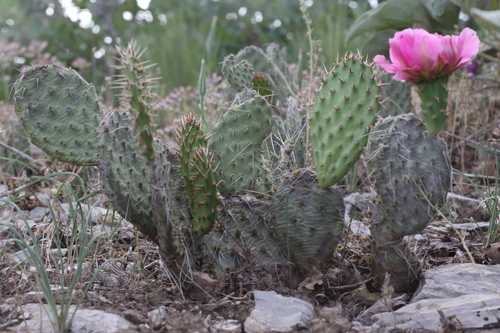
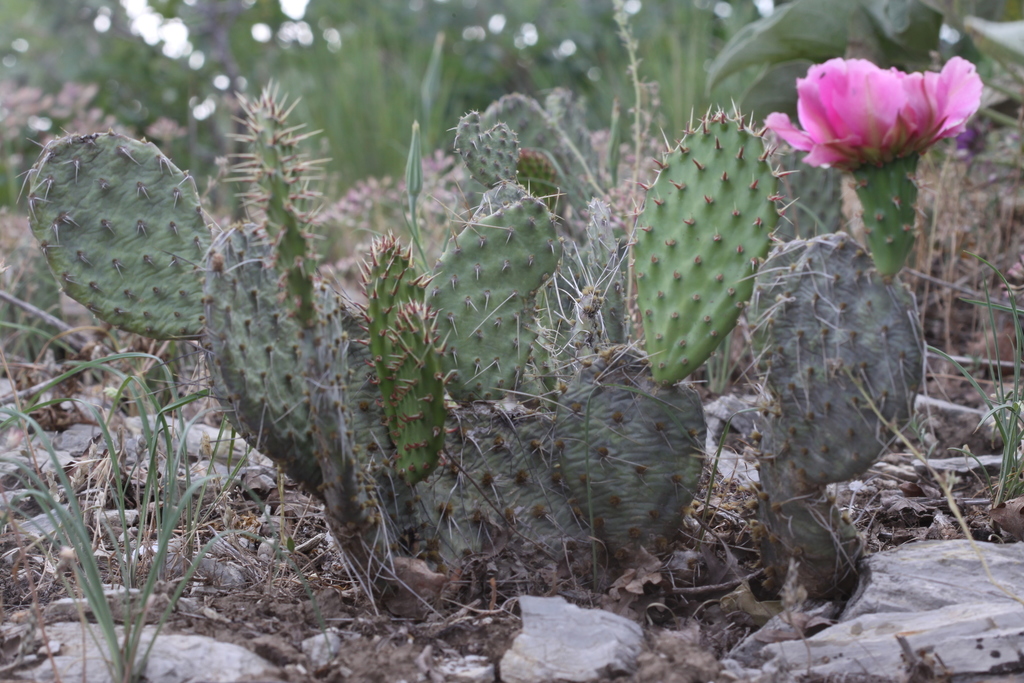
Plains pricklypear forms low, sprawling mats of flattened stem pads across North American grasslands and arid scrublands. Bright yellow to magenta blossoms burst open in early summer, attracting native bees and other insect pollinators to their pollen-rich centers. Dense clusters of sharp long spines and insidious barbed glochids protect the fleshy moisture-storing pads from thirsty desert herbivores.
Drought TolerantPrairie NativeSpiny
—observations
—countries
—peak records
Least ConcernConservation statusIUCN Red List categoriesLCNTVUENCREWEXLeast ConcernRed List categories, explained →
Diet & prey
- Photosynthetic (autotroph)
Predators
- Cactus Moth Larvae
- Prickly Pear Weevil
- Desert Cottontail
ThreatsHabitat conversion, invasive grasses, brush encroachment
HabitatsDry prairies, badlands, deserts, scrublands, rocky hillsides
Life span20–50 years
Classification
- OrderCaryophyllales
- FamilyCactaceae
- GenusOpuntia
- SpeciesOpuntia polyacantha
Range data is not available yet.
Interaction riskLow
- Low
- Moderate
- High
- Very high
- Why interaction risk is low
- Sharp spines and glochids irritate skin; wild fruits have toxic look-alikes, so never ingest unverified plants.
- Why it is dangerous
- Spines and tiny barbed glochids easily dislodge into skin, causing painful mechanical irritation and localized inflammation.
- How to recognize a risky encounter
- Recognizable by low sprawling mats of flat green pads covered in pale long spines and dense tufts of tiny glochids.
- What to do
- Maintain a respectful distance on trails and avoid touching pads or fruit without thick protective leather gloves.
Responsible observation
- Footwear Caution: Wear sturdy high-top leather boots when walking through prairie habitats with low-growing spiny pads.
- Visual Observation: Enjoy the showy summer blossoms from a safe distance without touching pads or fruits.
- Pet Care: Keep dogs on a leash in cactus country to prevent painful spines from lodging in paws.
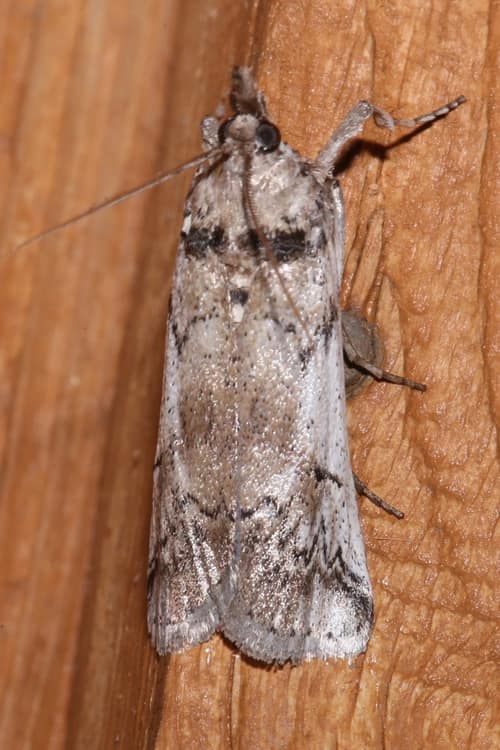
Parasite (c) Laura Gaudette, some rights reserved (CC BY), uploaded by Laura Gaudette · cc-by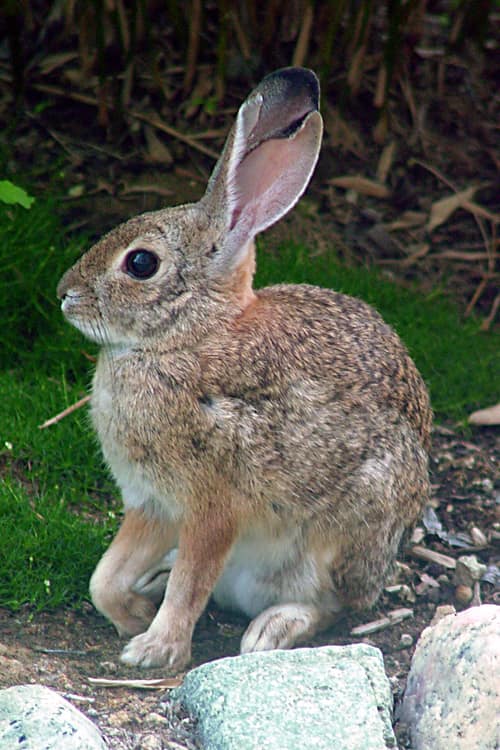
Herbivore Holly Cheng / CC BY-SA 3.0 · cc-by-sa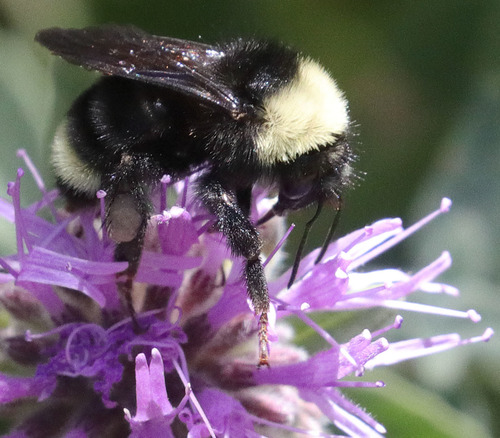
Pollinator (c) Pinnacles National Park, some rights reserved (CC BY), uploaded by Pinnacles National Park · cc-by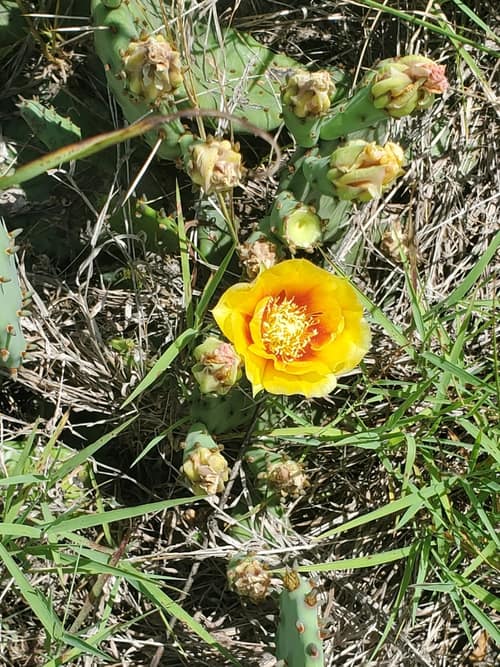
Close Relative (c) -Rorey-, some rights reserved (CC BY), uploaded by -Rorey- · cc-by
Help improve the field guideSomething wrong?
Checking your Fauna account…Report a name, category, or profile issue for review.