
Plant · GBIF taxon 5384075
Shell Mound Pricklypear
Opuntia strictaAlso known as Erect Prickly Pear, Coastal Prickly Pear, Tall Prickly Pear
Shell mound pricklypears form dense, spiny thickets across subtropical coastal dunes, shell mounds, and rocky shores. Broad, flattened stem pads store water through prolonged dry periods, while vibrant yellow flowers bloom along pad margins to attract native bees. The fleshy red seed pods that follow provide vital moisture and nutrients for coastal wildlife, including tortoises, birds, and small mammals.
SucculentCoastalSpiny
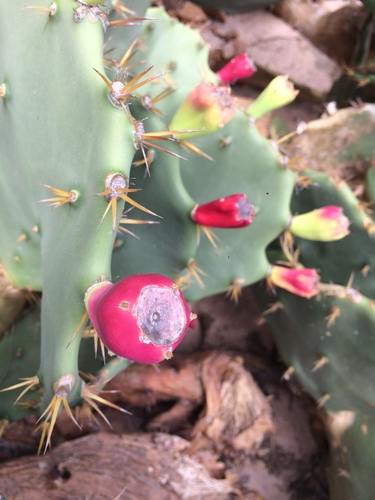
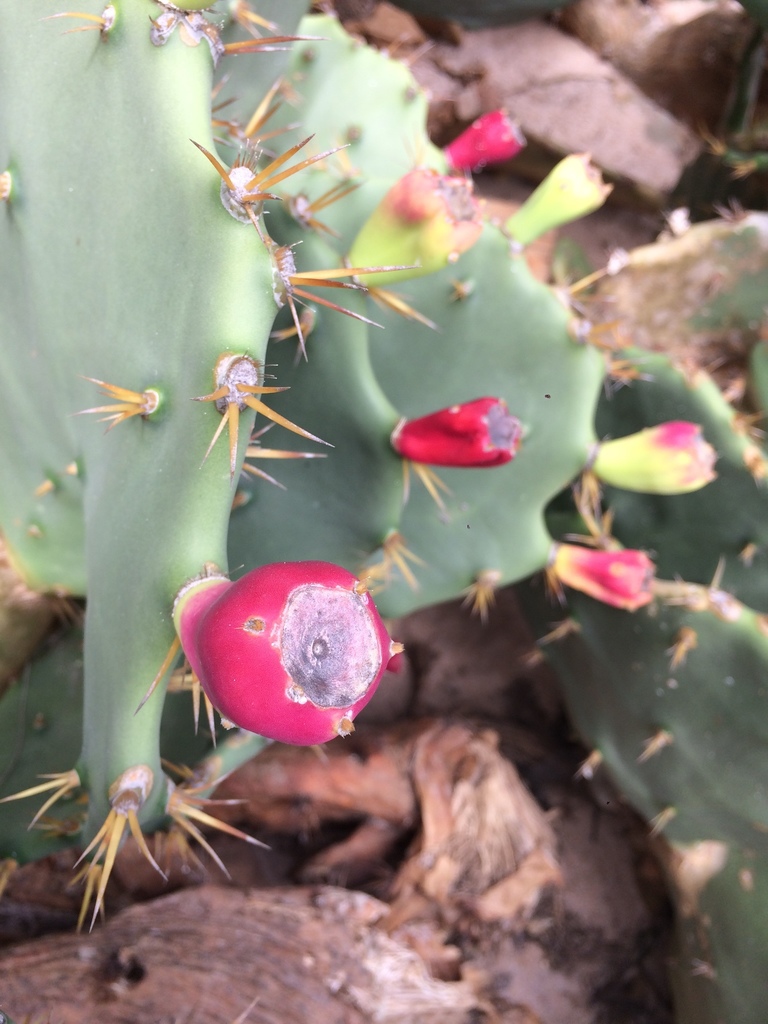
—observations
—countries
—peak records
Least ConcernConservation statusIUCN Red List categoriesLCNTVUENCREWEXLeast ConcernRed List categories, explained →
Diet & prey
- Autotrophic
Predators
- Cactus moth caterpillars
- Gopher tortoises
- Small mammals
ThreatsInvasive cactus moth, coastal development, severe storm surges
HabitatsCoastal dunes, shell mounds, sandy scrub, maritime hammocks
Life span20–50 years
Size / weightNot available
Classification
- OrderCaryophyllales
- FamilyCactaceae
- GenusOpuntia
- SpeciesOpuntia stricta
Range data is not available yet.
Interaction riskLow
- Low
- Moderate
- High
- Very high
- Why interaction risk is low
- Sharp spines and barbed glochids cause severe skin irritation. Wild berries have toxic look-alikes; never eat wild fruits.
- Why it is dangerous
- Tiny barbed bristles called glochids dislodge easily upon contact, embedding into skin and causing localized inflammation.
- How to recognize a risky encounter
- Recognizable by flat oval pads with sparse long spines and clusters of fine, reddish-brown hair-like bristles.
- What to do
- Maintain a safe distance and never handle pads or fruit directly without specialized thick leather gloves.
Responsible observation
- Photography: Capture bright yellow flowers in late spring or summer when active pollinators visit the blooms.
- Safety: Maintain distance to avoid contact with glochids, which easily dislodge into skin or clothing.
- Habitat Respect: Stay on boardwalks to protect fragile coastal dune ecosystems and surrounding vegetation.
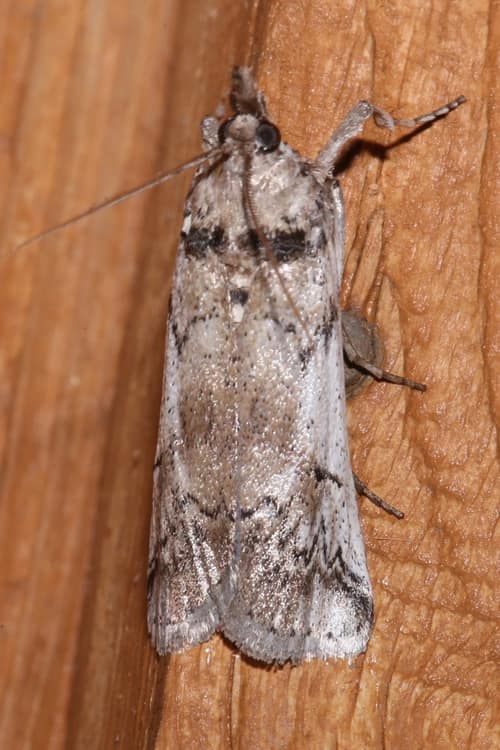
Parasite (c) Laura Gaudette, some rights reserved (CC BY), uploaded by Laura Gaudette · cc-by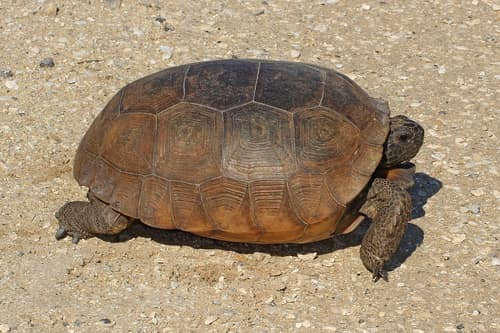
Seed Disperser Judy Gallagher / CC BY 2.0 · cc-by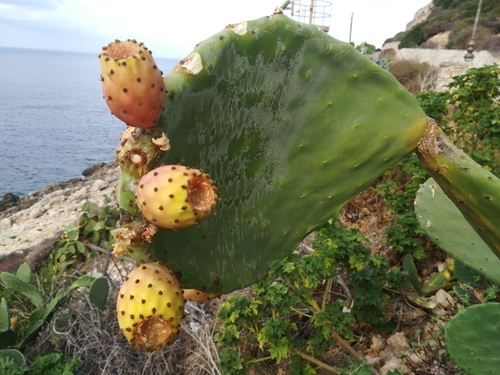
Close Relative no rights reserved, uploaded by Francesco Cecere · cc0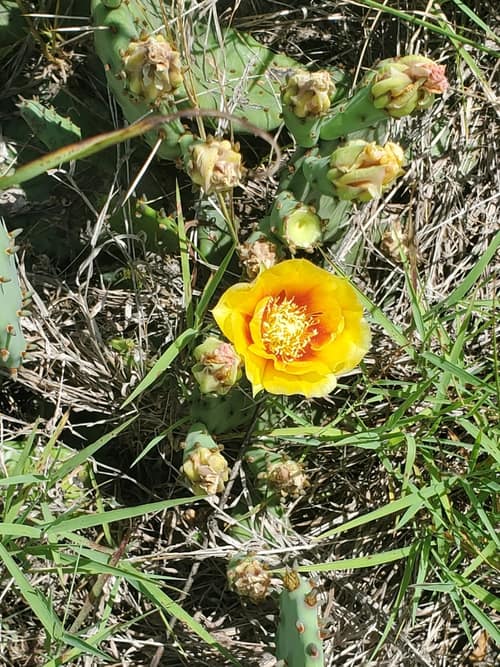
Close Relative (c) -Rorey-, some rights reserved (CC BY), uploaded by -Rorey- · cc-by
Help improve the field guideSomething wrong?
Checking your Fauna account…Report a name, category, or profile issue for review.