
Plant · GBIF taxon 5384047
Low Pricklypear
Opuntia humifusaAlso known as Eastern Prickly Pear, Devil's-Tongue, Low Prickly Pear Cactus
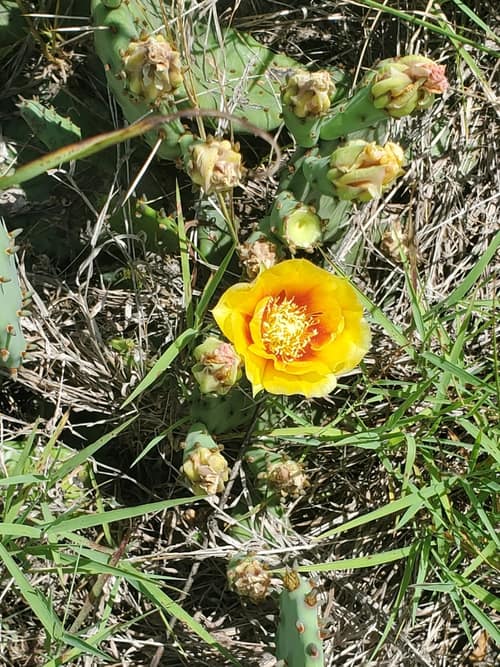
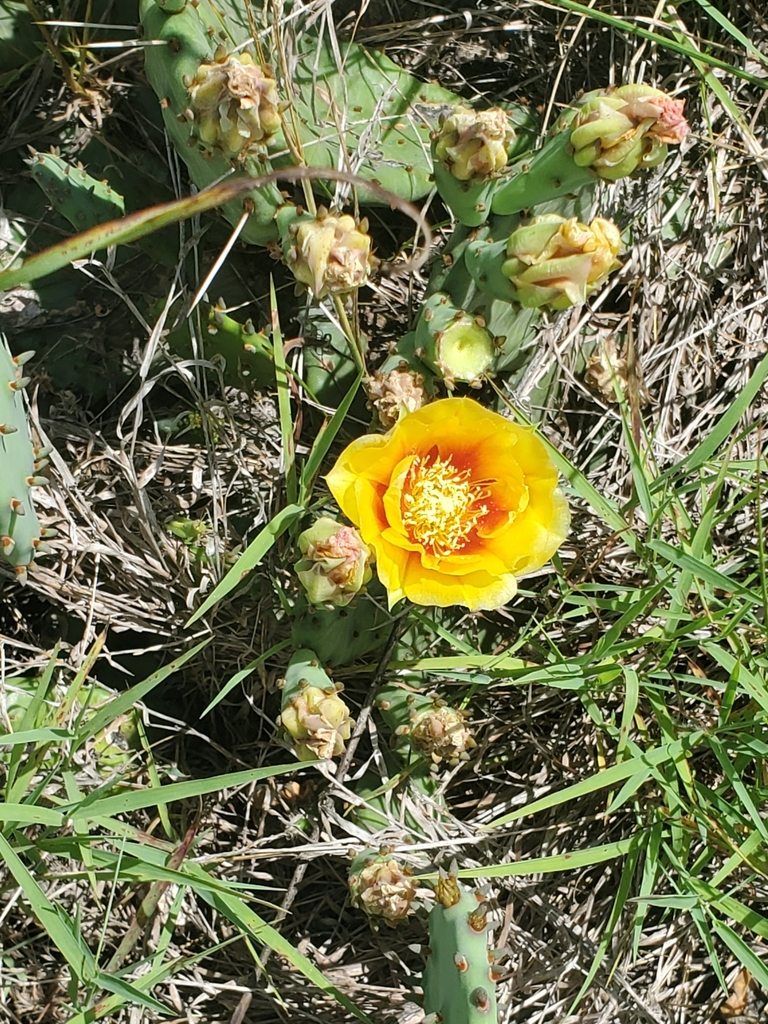
Eastern prickly pears thrive in dry, sandy soils across eastern North America, forming low spreading mats of fleshy green pads. During winter, pads lose water and shrivel flat to survive freezing temperatures before plumping up again each spring. Bright yellow flowers bloom in early summer, attracting native bees and giving rise to purplish red fruits eaten by birds and small mammals.
SucculentFloweringDrought Tolerant
—observations
—countries
—peak records
Least ConcernConservation statusIUCN Red List categoriesLCNTVUENCREWEXLeast ConcernRed List categories, explained →
Diet & prey
- Photosynthetic (autotroph)
Predators
- Cactus Moth Larvae
- Cochineal Insects
- Small Mammals
ThreatsHabitat loss, forest succession, invasive weeds
HabitatsSandy soils, coastal dunes, glades, dry prairies, rocky outcrops
Life span20–30+ years
Size / weightNot available
Classification
- OrderCaryophyllales
- FamilyCactaceae
- GenusOpuntia
- SpeciesOpuntia humifusa
Range data is not available yet.
Interaction riskLow
- Low
- Moderate
- High
- Very high
- Why interaction risk is low
- Tiny barbed glochids cause painful skin irritation; wild fruits also require caution due to toxic look-alikes.
- Why it is dangerous
- Microscopic barbed bristles called glochids readily detach on contact, embedding in skin or eyes to cause severe irritation.
- How to recognize a risky encounter
- Look for low green jointed pads bearing small clusters of brownish hair-like bristles at the nodes.
- What to do
- Never touch pads or fruit with bare hands; use heavy leather gloves or long tongs if moving near plants.
Responsible observation
- Handling: Use heavy leather gloves or metal tongs to avoid microscopic barbed bristles that easily dislodge.
- Observation: Look for vibrant yellow blossoms in early summer when flowers open fully under bright sun.
- Winter ID: Expect deflated, wrinkled pads in winter, which is a natural freeze-tolerance adaptation.
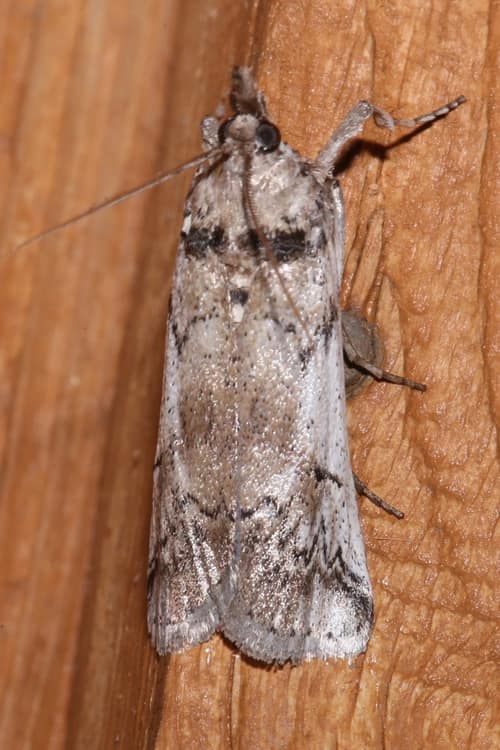
Parasite (c) Laura Gaudette, some rights reserved (CC BY), uploaded by Laura Gaudette · cc-by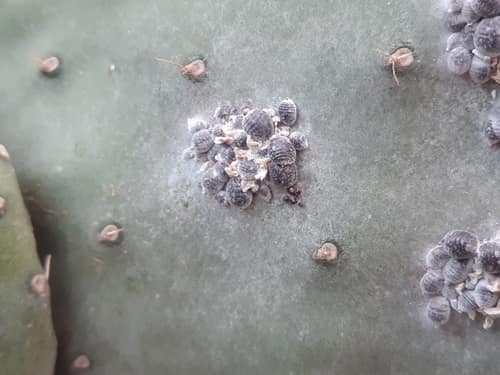
Parasite (c) tylototriton, some rights reserved (CC BY), uploaded by tylototriton · cc-by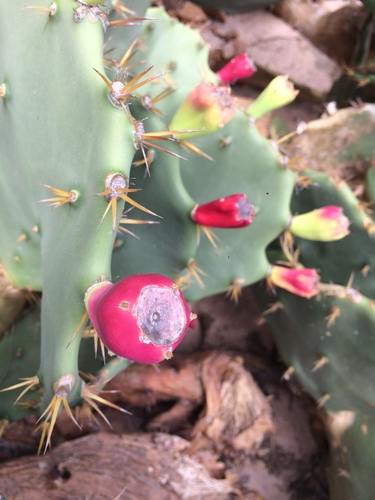
Close Relative (c) B. Phalan, some rights reserved (CC BY), uploaded by B. Phalan · cc-by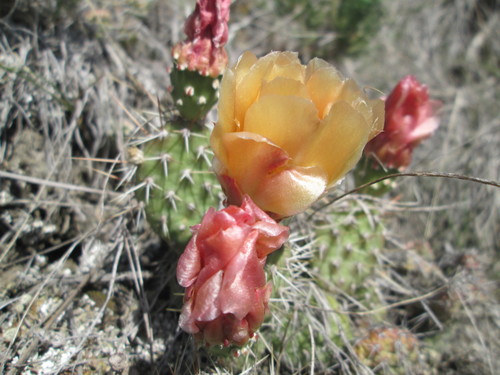
Close Relative (c) Nolan Exe, some rights reserved (CC BY), uploaded by Nolan Exe · cc-by
Help improve the field guideSomething wrong?
Checking your Fauna account…Report a name, category, or profile issue for review.