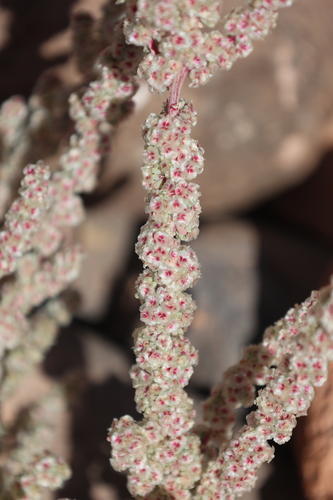
Also known as Kochia, Belvedere, Burningbush, Mexican Fireweed
Summer-cypress grows as a dense, feathery bush that transforms landscapes when its bright green foliage turns vivid crimson in autumn. As winter arrives, mature dry plants snap off at the base to form tumbleweeds, rolling across windswept plains to scatter tens of thousands of seeds. While celebrated as an ornamental hedge in traditional gardens, it acts as an aggressive colonizer in arid rangelands and agricultural fields.
Pollen causes severe seasonal allergies, and foliage contains toxins harmful to livestock if grazed heavily.
Why it is dangerous
Produces abundant airborne pollen triggering severe rhinitis and asthma, and accumulates oxalates and nitrates that cause kidney damage or photosensitization in livestock.
How to recognize a risky encounter
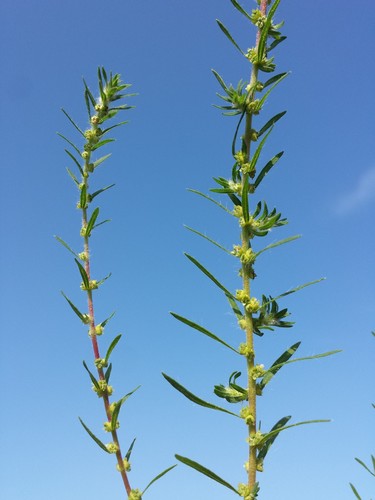
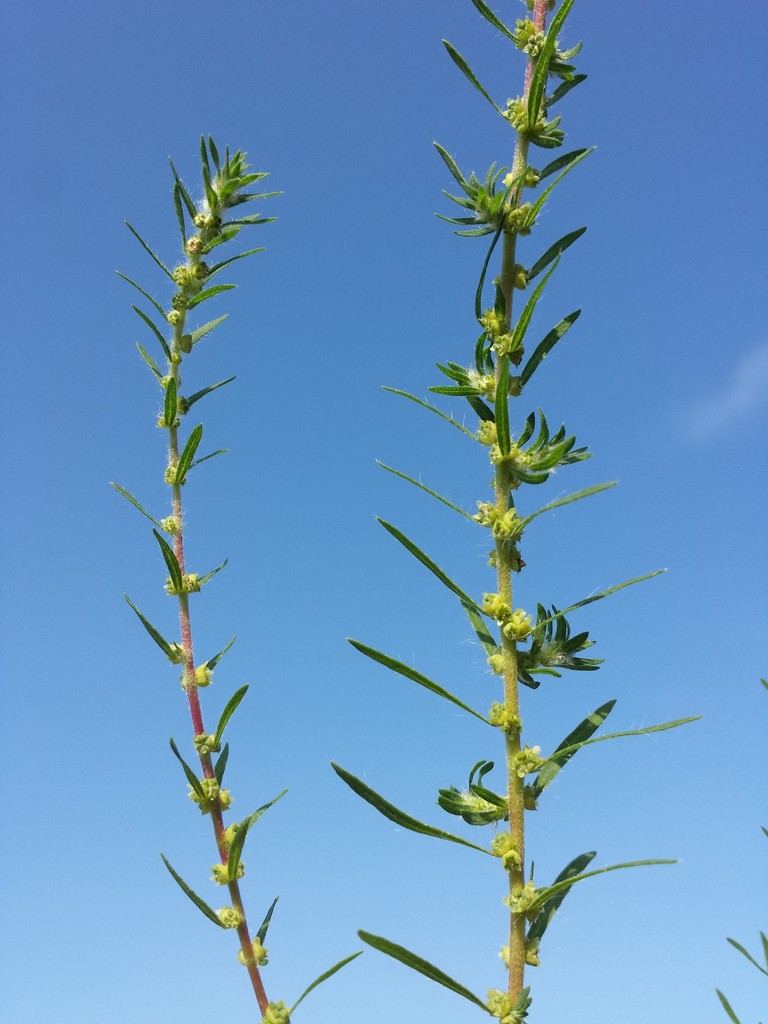
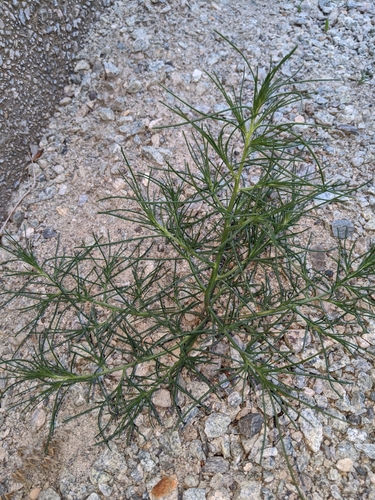
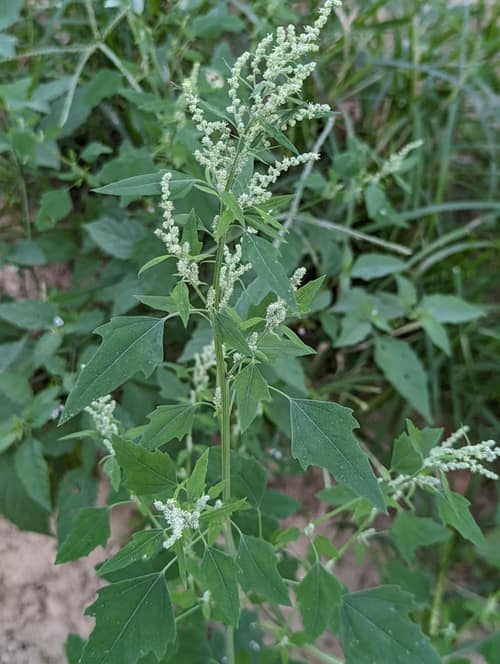
Recognized by its dense, upright, conical or rounded habit, narrow linear green leaves, and vibrant red coloration in late autumn.
What to do
Wear gloves and a mask when clearing mature stands, and keep livestock from feeding extensively on mature dry plants.
Responsible observation
Fall Color: Observe the dense foliage change from bright green to fiery magenta as temperatures drop in autumn.
Pollen Caution: Keep windows closed or wear a dust mask near dense stands during late summer wind pollination.
Management: Hand-pull individual plants before flowers set seed to prevent widespread dispersal.