
Plant · GBIF taxon 5383898
Elephant Apple
Dillenia indicaAlso known as Ou Tenga, Chalta, Bhavya
Elephant apple thrives along riverbanks across tropical Asia, anchoring gravelly soils with expansive root networks. Large solitary white flowers with golden stamens bloom during the monsoon, maturing into massive, grapefruit-sized fruits encased in thick sepals. Asian elephants and other forest mammals eagerly feed on the fallen fruits, carrying and dispersing the viable seeds across riverine corridors.
TropicalRiparianEvergreen
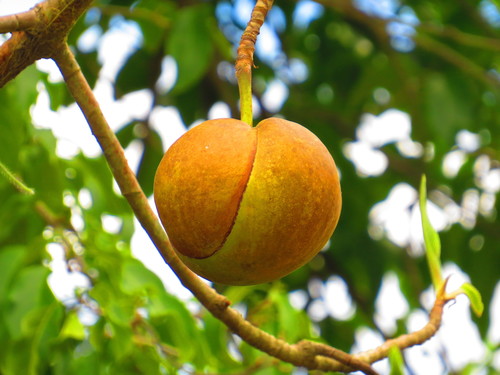
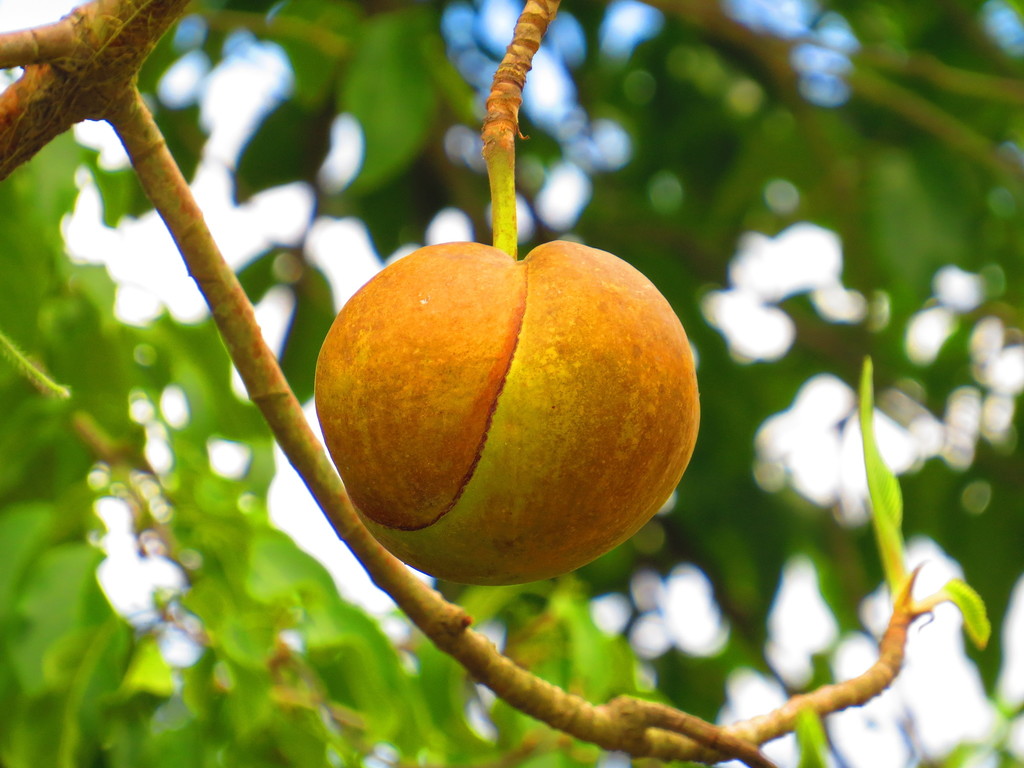 1 / 7
1 / 7—observations
—countries
—peak records
Least ConcernConservation statusIUCN Red List categoriesLCNTVUENCREWEXLeast ConcernRed List categories, explained →
Diet & prey
- Autotrophic (photosynthetic)
Predators
- Asian Elephant
- Greater One-horned Rhinoceros
- Wild Boar
ThreatsHabitat loss, riverbank modification, and declining populations of megafauna seed dispersers
HabitatsRiparian forests, stony riverbanks, and moist tropical evergreen woodlands
Life span50–100 years
Classification
- FamilyDilleniaceae
- SpeciesDillenia indica
Range data is not available yet.
Interaction riskLow
- Low
- Moderate
- High
- Very high
- Why interaction risk is low
- Wild fruits have toxic look-alikes; never eat based on app identification alone.
Responsible observation
- Foliage Inspection: Look for prominent parallel veins that give the large leaves a corrugated, pleated texture.
- Stream Walking: Search along stony river margins where fallen green globes accumulate after storms.
- Wildlife Respect: Leave fallen fruits untouched on forest floors to serve as crucial forage for wildlife.
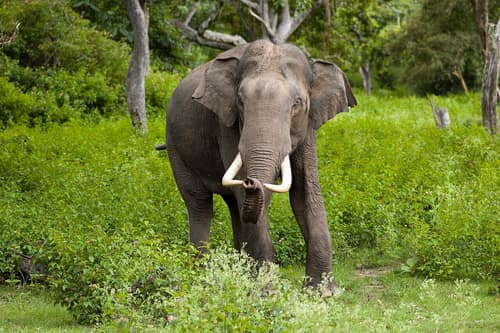
Seed Disperser Yathin S Krishnappa / CC BY-SA 3.0 · cc-by-sa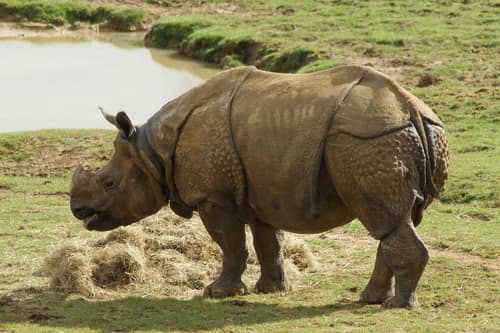
Seed Disperser "Indian Rhinoceros (Rhinoceros unicornis), ZSL Whipsnade Zoo" by spencer77 is licensed under CC BY 2.0. To view a copy of this license, visit https://creativecommons.org/licenses/by/2.0/. · cc-by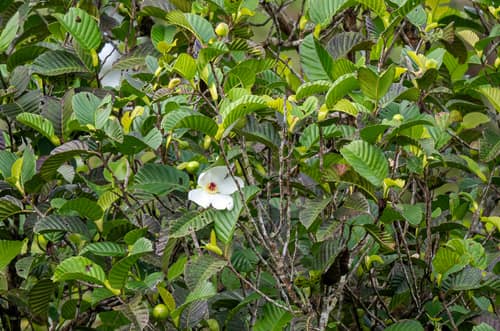
Close Relative (c) Forest Botial-Jarvis, some rights reserved (CC BY) · cc-by
Close Relative no rights reserved, uploaded by S.MORE · cc0
Help improve the field guideSomething wrong?
Checking your Fauna account…Report a name, category, or profile issue for review.