
Plant · GBIF taxon 5383717
Black Tupelo
Nyssa sylvaticaAlso known as Black Gum, Sour Gum, Tupelo, Pepperidge
Black tupelo stands out in autumn as one of the first canopy trees to turn, displaying brilliant crimson, orange, and deep purple foliage. Older trunks develop dark, deeply checked bark resembling alligator hide, while small blue autumn drupes provide crucial high-fat nourishment for migrating songbirds. Small spring blossoms supply abundant nectar to native pollinators and honeybees, producing prized light honey.
DeciduousNative TreeAutumn Color
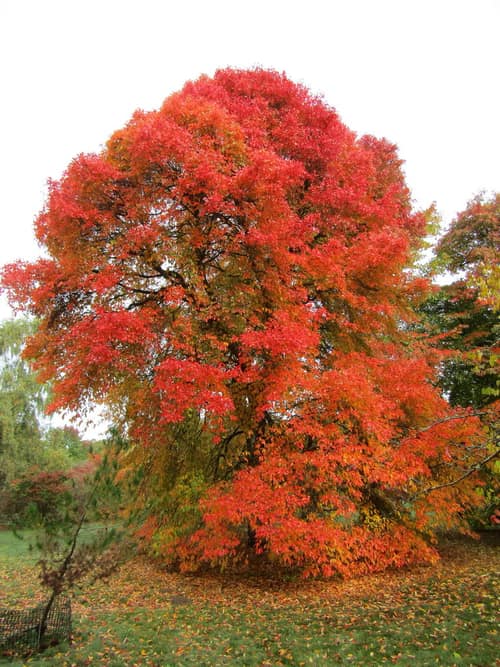
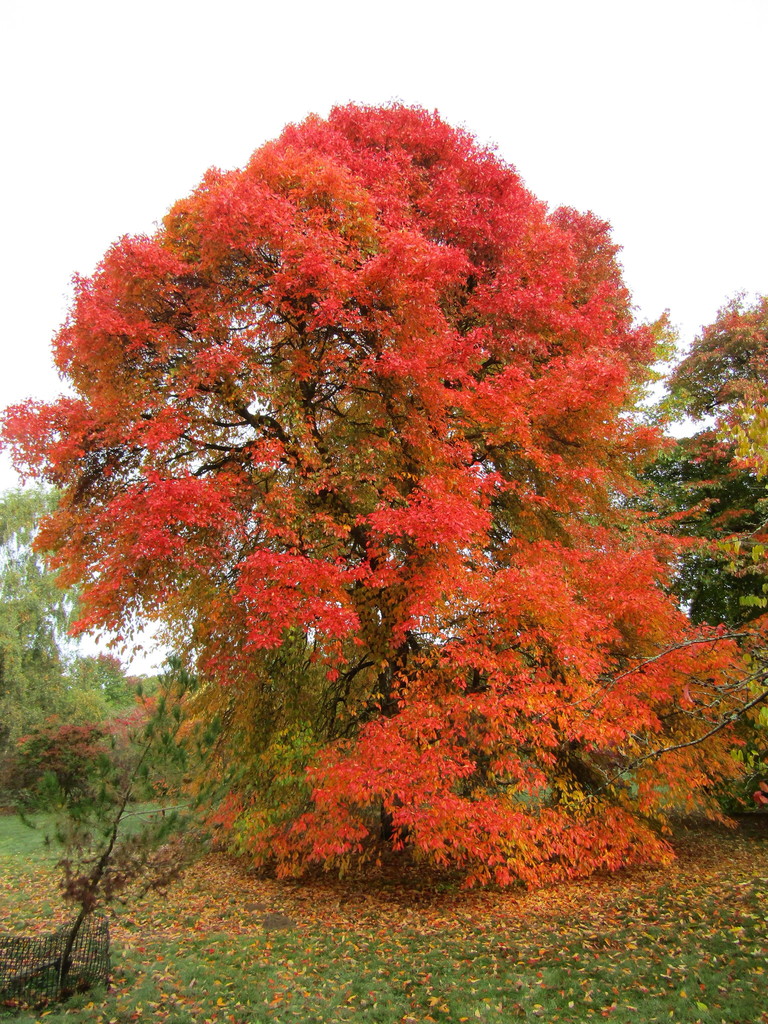
—observations
—countries
—peak records
Least ConcernConservation statusIUCN Red List categoriesLCNTVUENCREWEXLeast ConcernRed List categories, explained →
Diet & prey
- Autotrophic (Photosynthesis)
Predators
- Deer
- Tupelo Leafminer
- Beaver
ThreatsHabitat loss, competition from invasive species, tupelo leafminer outbreaks
HabitatsUpland hardwood forests, swamp margins, moist rich bottomlands
Life span300–500+ years
Classification
- OrderCornales
- FamilyNyssaceae
- GenusNyssa
- SpeciesNyssa sylvatica
Range data is not available yet.
Interaction riskLow
- Low
- Moderate
- High
- Very high
- Why interaction risk is low
- Wild berries have toxic look-alikes; never eat wild fruit based on app identification alone.
Responsible observation
- Autumn Identification: Look for brilliant crimson and deep purple leaves turning earlier than surrounding trees.
- Bark Inspection: Check mature trunks for distinctive, deeply squared bark blocks resembling alligator hide.
- Spring Watching: Observe tiny greenish flowers in late spring to spot visiting native bees.
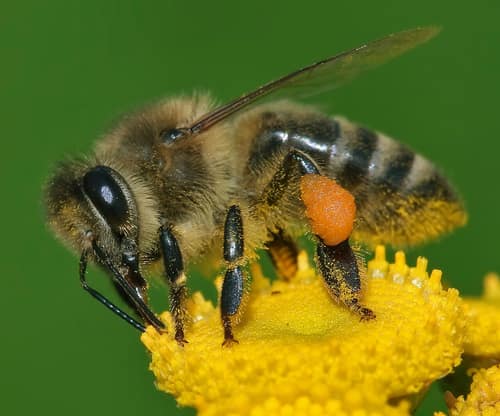
Pollinator Andreas Trepte / CC BY-SA 2.5 · cc-by-sa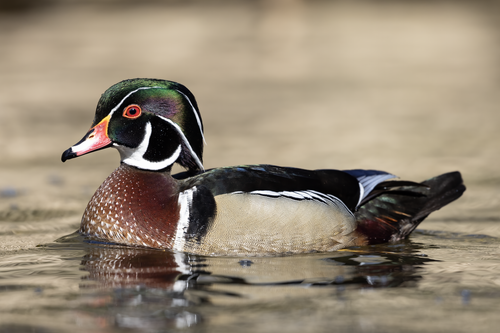
Seed Disperser Chuck Homler d/b/a FocusOnwWildlife / CC BY-SA 4.0 · cc-by-sa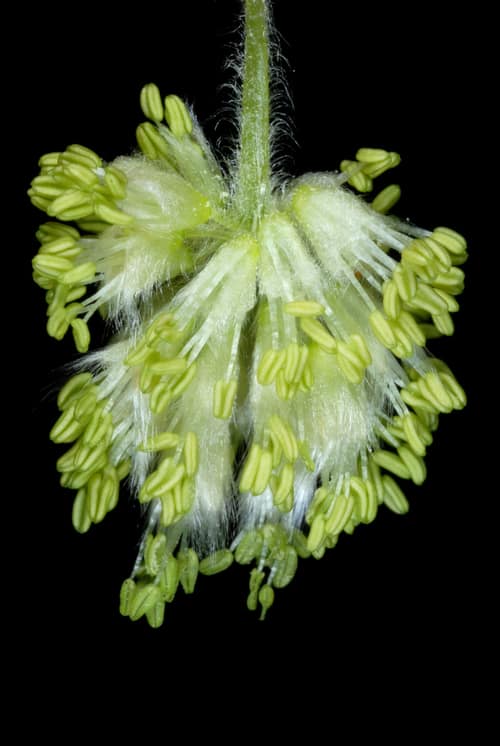
Forest Companion (c) Douglas Goldman, some rights reserved (CC BY-SA), uploaded by Douglas Goldman · cc-by-sa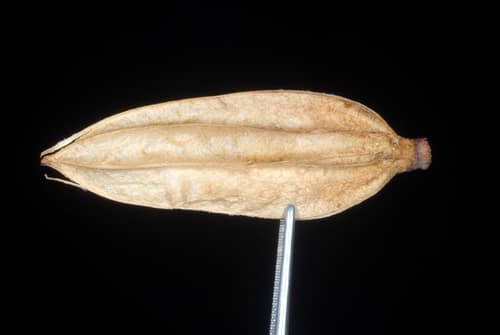
Close Relative (c) Douglas Goldman, some rights reserved (CC BY-SA), uploaded by Douglas Goldman · cc-by-sa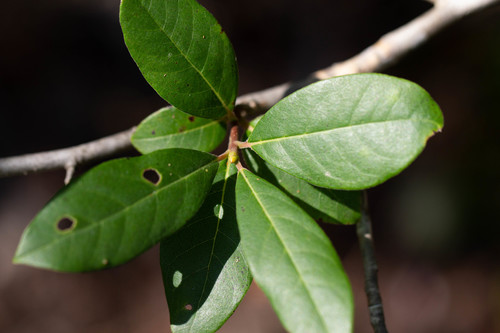
Close Relative (c) Jessica, some rights reserved (CC BY), uploaded by Jessica · cc-by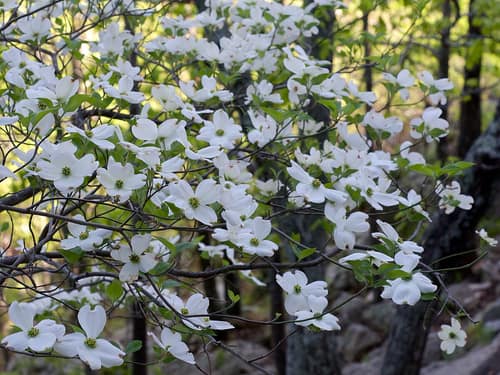
Order Relative Eric Hunt / CC BY-SA 4.0 · cc-by-sa
Help improve the field guideSomething wrong?
Checking your Fauna account…Report a name, category, or profile issue for review.