
Plant
Myrobalan
Phyllanthus emblicaAlso known as Indian Gooseberry, Amla, Emblic, Amalaki
Indian gooseberry trees feature feathery, light green foliage resembling pinnate leaves that are actually closely set branchlets. Spherical, greenish-yellow fruits ripen in autumn and early winter, providing a critical seasonal resource for local birds and frugivorous mammals across South Asian forests. The peeling greyish-brown bark reveals a smooth reddish inner layer, giving the crooked trunk a distinct mottled appearance in open woodlands.
DeciduousMedicinalTropical
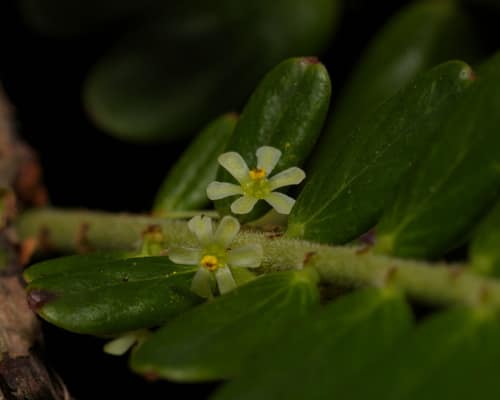
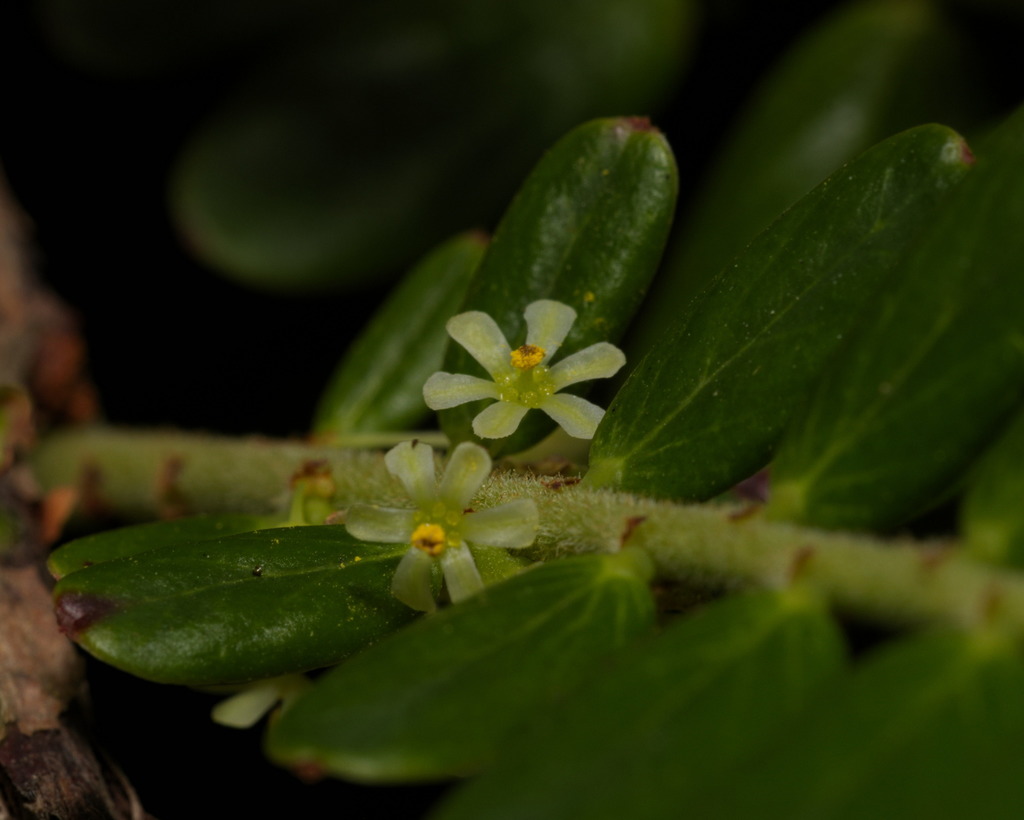
—observations
—countries
—peak records
Least ConcernConservation statusIUCN Red List categoriesLCNTVUENCREWEXLeast ConcernRed List categories, explained →
Diet & preyAutotrophic (photosynthetic)
Predators
- Indian Peafowl
- Rhesus Macaque
- Barking Deer
ThreatsOverharvesting of wild fruits, habitat fragmentation, and uncontrolled forest fires
HabitatsTropical dry deciduous forests, open woodlands, and rocky hillsides
Life span50–80 years
Classification
- OrderMalpighiales
- FamilyPhyllanthaceae
- GenusPhyllanthus
- SpeciesPhyllanthus emblica
Range data is not available yet.
Interaction riskLow
- Low
- Moderate
- High
- Very high
- Why interaction risk is low
- Wild berries have toxic look-alikes; never eat based on app identification alone.
Responsible observation
- Leaf inspection: Examine the fine, closely spaced branchlets that give the impression of delicate compound leaves.
- Fruit observation: Look along twig undersides between autumn and winter to spot the hard, spherical fruits clustered tightly to branches.
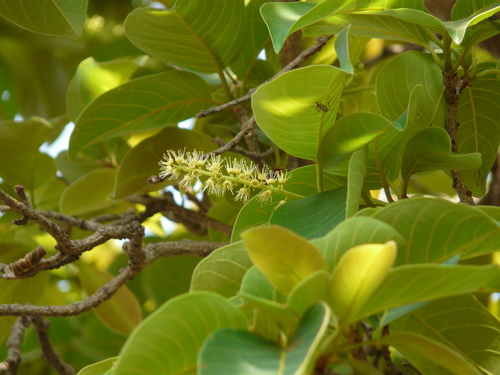
Frequent Companion (c) Dinesh Valke, some rights reserved (CC BY-SA) · cc-by-sa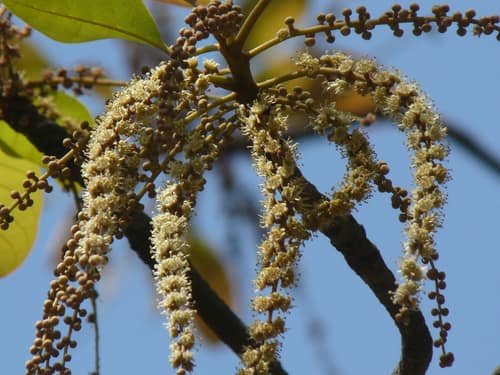
Frequent Companion (c) Dinesh Valke, some rights reserved (CC BY-SA) · cc-by-sa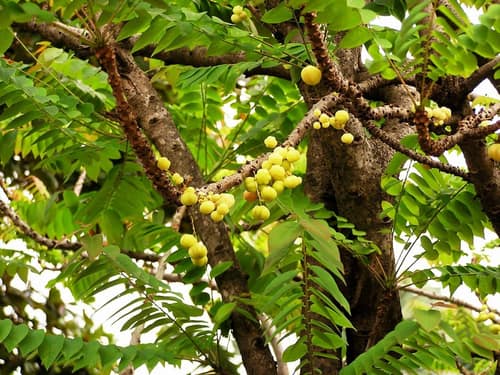
Close Relative (c) Nasser Halaweh, some rights reserved (CC BY), uploaded by Nasser Halaweh · cc-by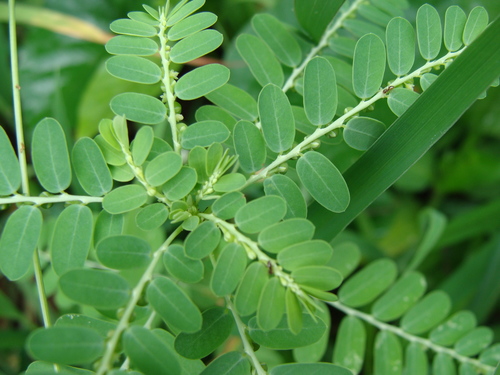
Close Relative (c) Alexis López Hernández, some rights reserved (CC BY), uploaded by Alexis López Hernández · cc-by
Help improve the field guideSomething wrong?
Checking your Fauna account…Report a name, category, or profile issue for review.