
Plant · GBIF taxon 5380041
Castor Bean
Ricinus communisAlso known as Castor Oil Plant, Palma Christi, Wonder Tree, African Coffee Tree
Castor bean plants feature massive, star-shaped palmate leaves with glossy reddish or deep green surfaces and distinctively spiky seed pods. Native to northeastern Africa, this aggressive grower thrives in disturbed soils, riverbanks, and tropical waste grounds worldwide. Every part of the plant, particularly the attractive speckled seeds, contains ricin, making it one of the most deadly toxic plants on Earth.
ToxicFast-GrowingInvasive
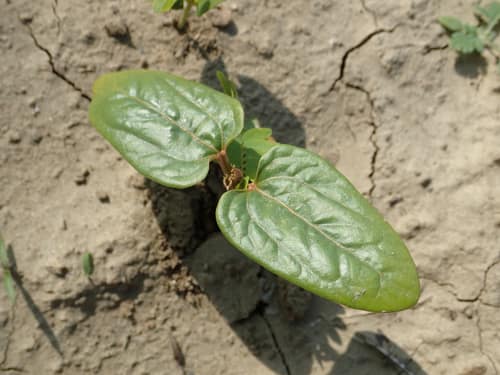
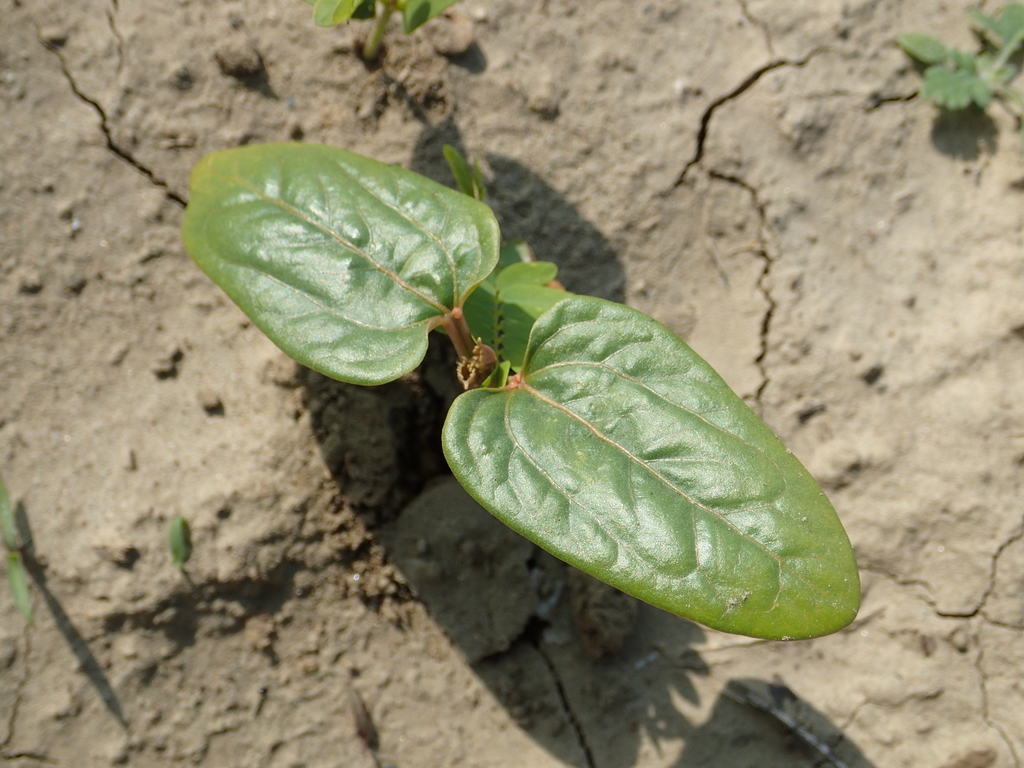
—observations
—countries
—peak records
Least ConcernConservation statusIUCN Red List categoriesLCNTVUENCREWEXLeast ConcernRed List categories, explained →
Diet & prey
- Sunlight
- Soil Nutrients
- Water
Predators
- Spider Mites
- Castor Semi-Looper Caterpillars
ThreatsFrost, deliberate eradication as a noxious weed
HabitatsDisturbed ground, roadsides, riverbanks, tropical and subtropical regions
Life spanPerennial in tropical regions, annual in temperate zones
Classification
- OrderMalpighiales
- FamilyEuphorbiaceae
- GenusRicinus
- SpeciesRicinus communis
Range data is not available yet.
Interaction riskHigh
- Low
- Moderate
- High
- Very high
- Why interaction risk is high
- All parts contain deadly ricin; ingesting seeds can be fatal and sap irritates skin.
- Why it is dangerous
- Seeds contain ricin, a potent Ribosome Inactivating Protein that inhibits protein synthesis, causing organ failure and death if ingested.
- How to recognize a risky encounter
- Recognized by huge palmate leaves with 7 to 11 lobes and clusters of reddish, prickly seed pods containing shiny speckled seeds.
- What to do
- Never ingest any part or touch broken stems with bare hands; wear gloves, goggles, and long sleeves if handling.
Responsible observation
- Observe safely: Appreciate the dramatic foliage from a safe distance without breaking stems or foliage.
- Avoid seeds: Keep children and pets far away from the attractive, highly poisonous speckled seeds.
- Wear protection: Use heavy gloves and full coverage if cutting or removing this weed from garden beds.
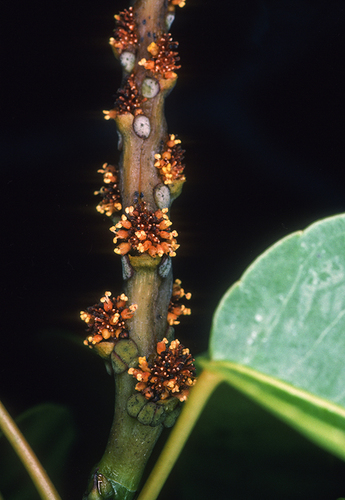
Toxic Kin (c) Douglas Goldman, some rights reserved (CC BY-SA), uploaded by Douglas Goldman · cc-by-sa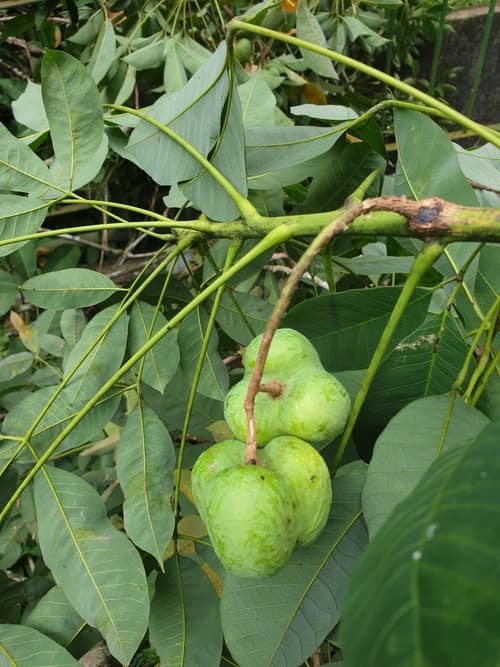
Family Relative (c) Cheongweei Gan, some rights reserved (CC BY-SA), uploaded by Cheongweei Gan · cc-by-sa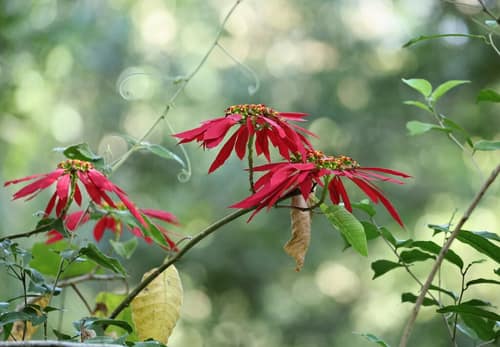
Family Relative (c) nmoorhatch, some rights reserved (CC BY), uploaded by nmoorhatch · cc-by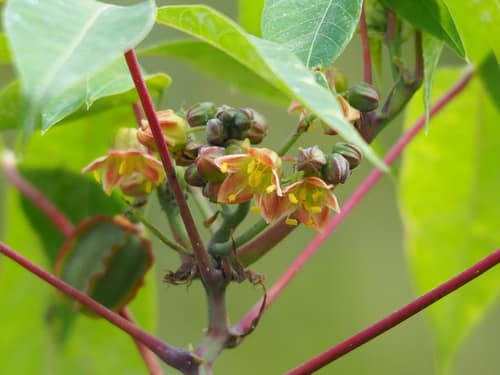
Family Relative no rights reserved, uploaded by 葉子 · cc0
Help improve the field guideSomething wrong?
Checking your Fauna account…Report a name, category, or profile issue for review.