
Plant
Mallotus
Mallotus japonicusAlso known as East Asian Mallotus, Food Wrapper Plant, Akamegashiwa, Japanese Mallotus
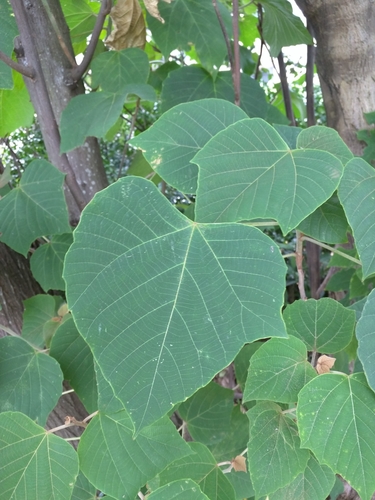
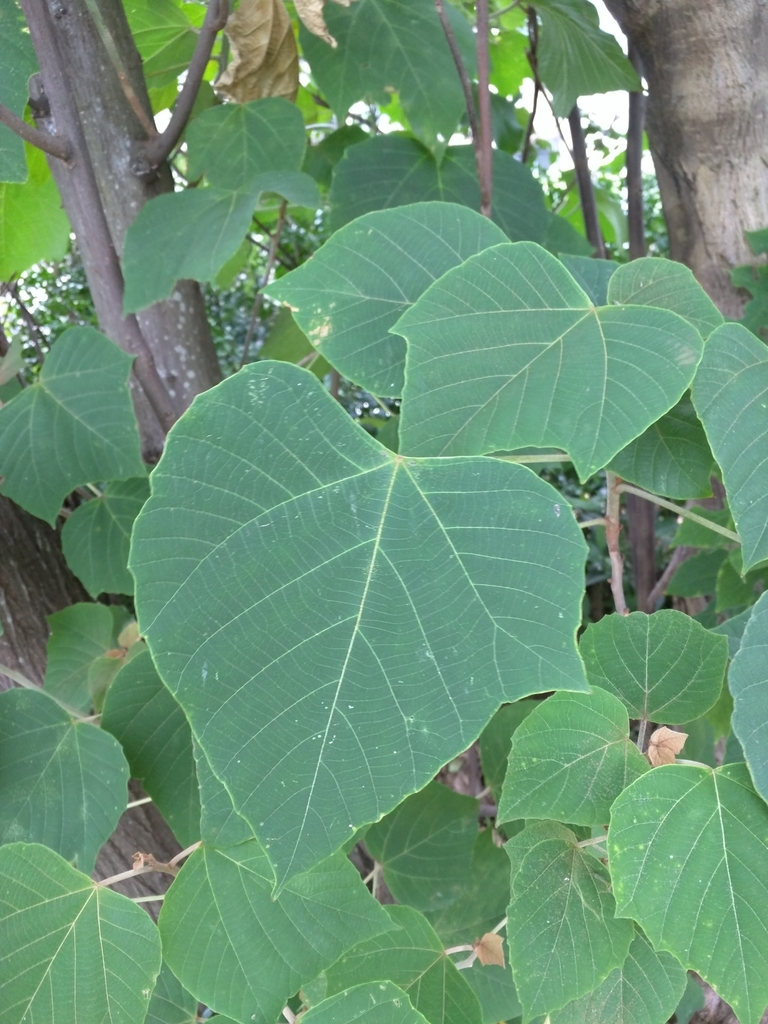
East Asian mallotus thrives as a fast-growing pioneer tree along forest edges, stream banks, and disturbed hillsides across East Asia. Its spring flush of emerging leaves unfolds in a striking crimson hue before maturing into broad green foliage with distinctive reddish veins. As a dioecious tree, individual plants produce either tiny yellow male flower clusters or spiky female capsules that burst open in autumn to reveal shiny dark seeds.
Pioneer TreeCrimson ShootsDeciduous
—observations
—countries
—peak records
Not EvaluatedConservation statusIUCN Red List categoriesLCNTVUENCREWEXNot Evaluated — not placed on the risk ladderRed List categories, explained →
Diet & preySunlight, Water, Soil nutrients
Predators
- Caterpillars
- Leaf beetles
- Deer
ThreatsHabitat loss from industrial development
HabitatsForest edges, secondary woodlands, riverbanks, roadside thickets
Life span30–60 years
Classification
- OrderMalpighiales
- FamilyEuphorbiaceae
- GenusMallotus
- SpeciesMallotus japonicus
Range data is not available yet.
Interaction riskLow
- Low
- Moderate
- High
- Very high
- Why interaction risk is low
- Safe to observe at a normal distance.
Responsible observation
- Spring Foliage: Look for brilliant crimson young leaf flushes in early spring along sunny woodland margins.
- Fruit Inspection: Examine female trees in autumn to see densely spiky reddish capsules splitting open.
- Leaf Identification: Inspect mature leaves for two distinct nectar glands located near the petiole attachment.
 Image unavailable
Pioneer Neighbor 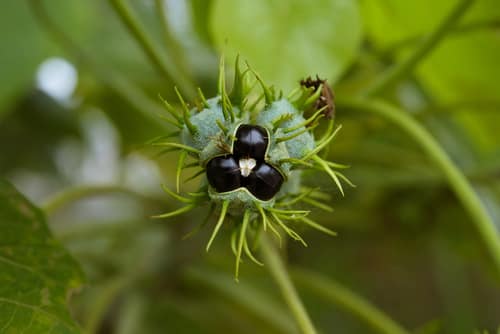
Related Pioneer (c) mutolisp, some rights reserved (CC BY) · cc-byClose Relative
Help improve the field guideSomething wrong?
Checking your Fauna account…Report a name, category, or profile issue for review.