
Plant · GBIF taxon 5376648
Virginia Pepperweed
Lepidium virginicumAlso known as Least Pepperwort, Wild Peppergrass, Poorman's Pepper, Virginia Peppergrass
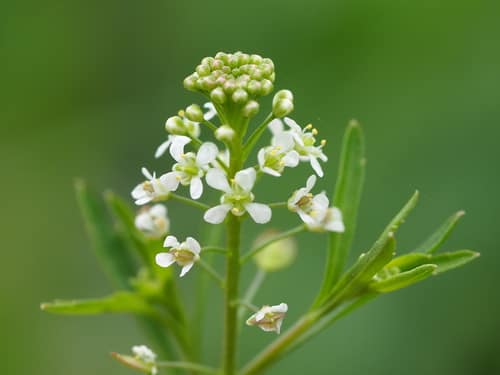
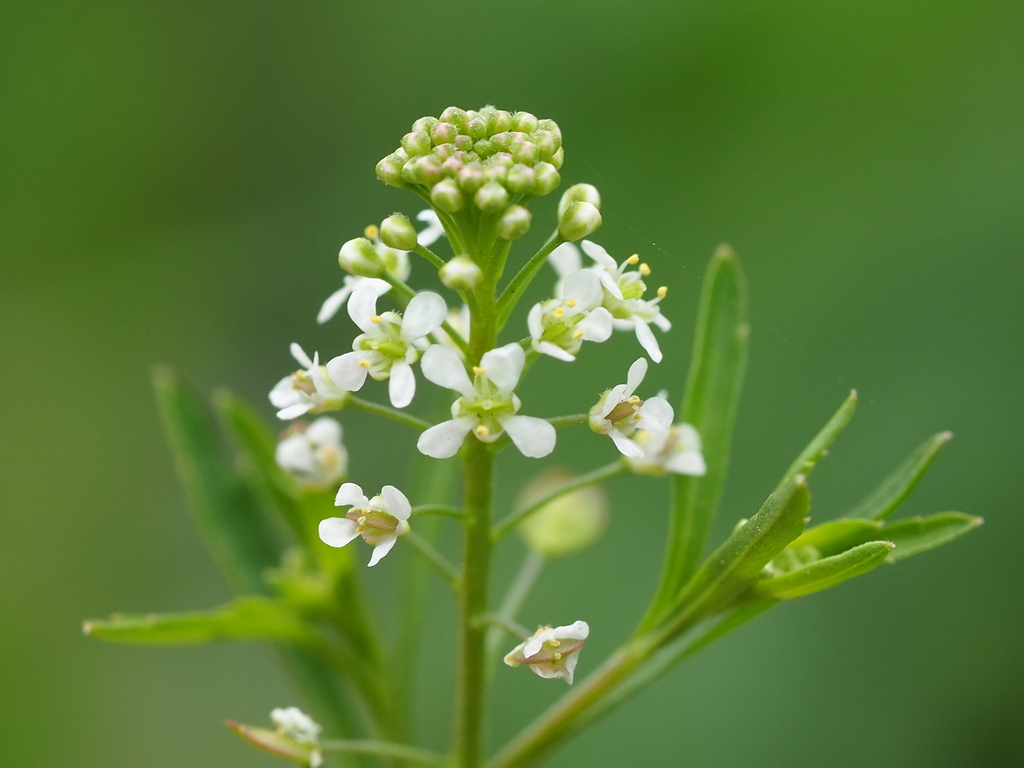
Virginia pepperweed produces dense, cylindrical racemes of tiny white blossoms that mature into flat, disc-shaped seedpods resembling diminutive green pepper flakes. The entire plant releases a sharp, peppery aroma when crushed, an adaptation driven by glucosinolate compounds that deter generalist herbivores. Thriving in sunny, disturbed soils, it acts as an early colonizer of roadsides, pastures, and neglected urban lots across the Americas.
AnnualWildflowerPioneer
—observations
—countries
—peak records
Least ConcernConservation statusIUCN Red List categoriesLCNTVUENCREWEXLeast ConcernRed List categories, explained →
Diet & prey
- Autotrophic (photosynthesis)
Predators
- Cabbage white butterfly caterpillar
- Flea beetle
- White-tailed deer
ThreatsHerbicide spraying, intensive mowing, and severe habitat degradation
HabitatsRoadsides, fallow fields, pastures, gardens, and disturbed waste ground
Life span1–2 years (annual or biennial)
Size / weightNot available
Classification
- OrderBrassicales
- FamilyBrassicaceae
- GenusLepidium
- SpeciesLepidium virginicum
Range data is not available yet.
Interaction riskLow
- Low
- Moderate
- High
- Very high
- Why interaction risk is low
- Safe to observe at a normal distance.
Responsible observation
- Examine the silicles: Look closely at the elongated racemes to spot the round, notched seedpods that give the plant its peppery look.
- Check for scents: Gently brush or rub the leaves between your fingers to notice the sharp mustard aroma.
- Spot small pollinators: Watch the minute white flowers on warm afternoons for visits from syrphid flies and sweat bees.
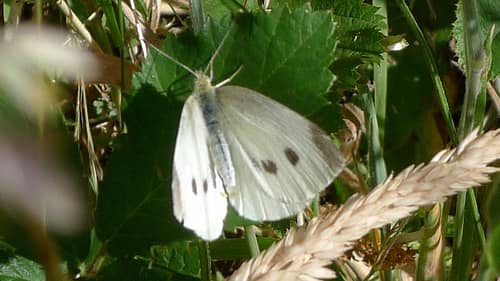
Herbivore John Tann from Sydney, Australia / CC BY 2.0 · cc-by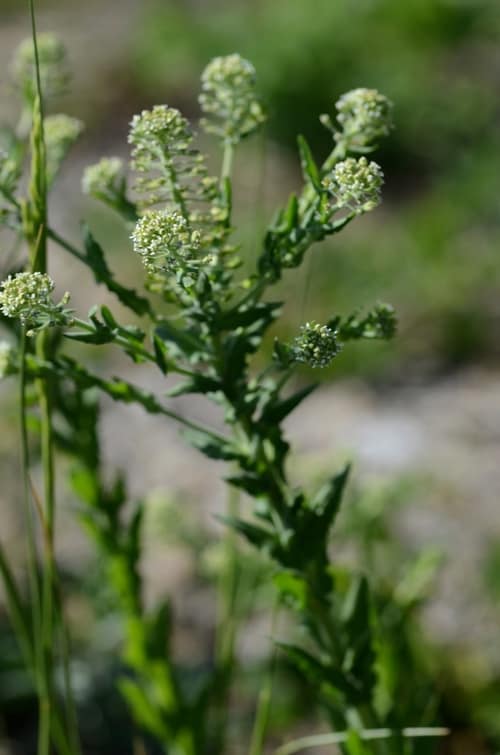
Close Relative (c) Radio Tonreg, some rights reserved (CC BY) · cc-by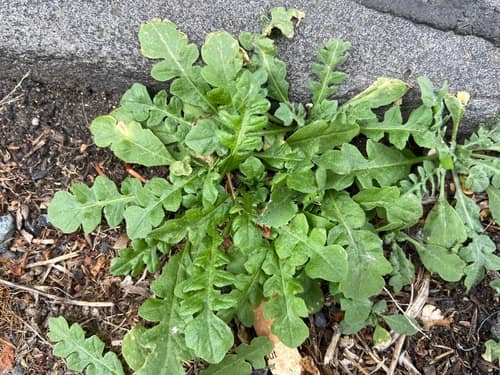
Same Family (c) Joss Carr, some rights reserved (CC BY), uploaded by Joss Carr · cc-by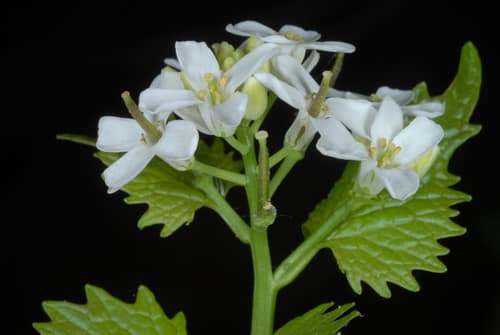
Same Family (c) Douglas Goldman, some rights reserved (CC BY-SA), uploaded by Douglas Goldman · cc-by-sa
Help improve the field guideSomething wrong?
Checking your Fauna account…Report a name, category, or profile issue for review.