
Plant
Shepherd's-purse
Capsella bursa-pastorisAlso known as Lady's Purse, Pickpocket, Mother's Heart, Blindweed
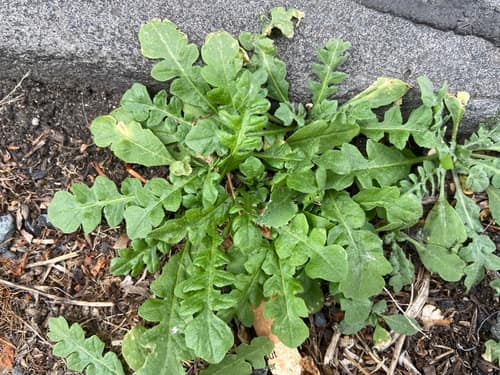
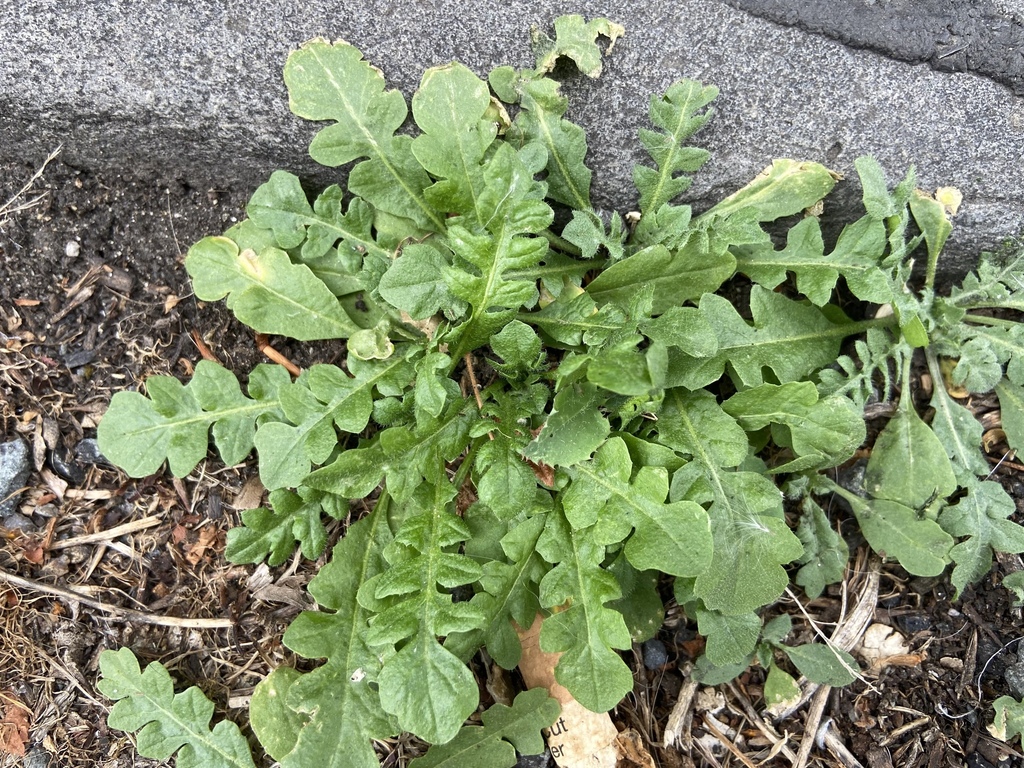
Named for its distinctive purse-like, triangular seed pods, shepherd's-purse thrives in disturbed soils worldwide and blooms across multiple seasons. The plant displays a protocarnivorous adaptation where wetting the tiny seeds triggers a coating of adhesive mucilage that traps soil nematodes, which may release nutrients as they decay. A basal rosette of lobed leaves anchors the stem, which steadily elongates as miniature, four-petaled white flowers mature into seed pouches.
AnnualWildflowerCosmopolitan
—observations
—countries
—peak records
Not EvaluatedConservation statusIUCN Red List categoriesLCNTVUENCREWEXNot Evaluated — not placed on the risk ladderRed List categories, explained →
Diet & preySunlight, Soil nutrients, Soil nematodes
Predators
- Cabbage white caterpillars
- Cabbage aphids
- American goldfinches
ThreatsHerbicide application, deep tillage, and habitat paving
HabitatsDisturbed ground, roadsides, cultivated fields, lawns, and waste ground
Life span1 year (annual or winter annual)
Classification
- FamilyBrassicaceae
- SpeciesCapsella bursa-pastoris
Range data is not available yet.
Interaction riskLow
- Low
- Moderate
- High
- Very high
- Why interaction risk is low
- Safe to observe at a normal distance.
Responsible observation
- Seed Pods: Look for distinctive triangular, heart-shaped pouches branching along the upper stems.
- Microscopic Traps: Moisten the tiny seeds on a slide to observe mucilage releasing around them.
- Rosette Identification: Check base of plant for dandelion-like lobed leaves before flower stems bolt.
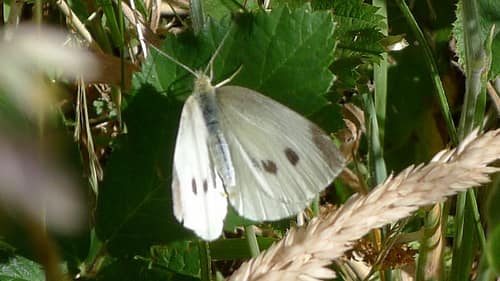
Herbivore John Tann from Sydney, Australia / CC BY 2.0 · cc-by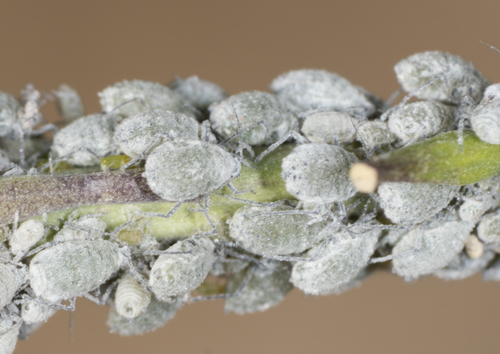
Parasite no rights reserved, uploaded by Jesse Rorabaugh · cc0 Image unavailable
Close Relative 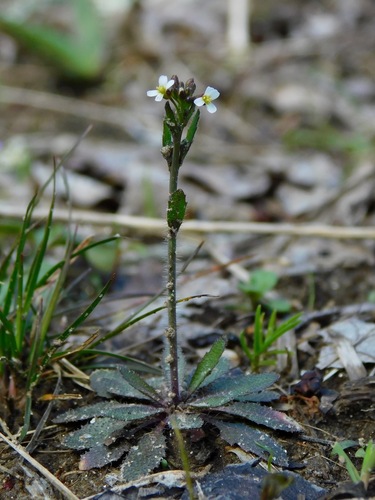
Same Family (c) Michael J. Papay, some rights reserved (CC BY), uploaded by Michael J. Papay · cc-by
Help improve the field guideSomething wrong?
Checking your Fauna account…Report a name, category, or profile issue for review.