
Plant · GBIF taxon 5373083
Dwarf Willow
Salix herbaceaAlso known as Least Willow, Snowbed Willow
Dwarf willow forms dense, mat-like colonies barely a few centimeters tall, anchoring its trailing woody stems beneath tundra soil to survive fierce winds. Its tiny, glossy round leaves feature distinct net-like veins and emerge immediately as alpine snowdrifts melt. Small catkins bloom alongside the fresh foliage, relying on cold-tolerant bumblebees and wind to complete pollination during brief summer growing windows.
ArcticAlpineMiniature Plant
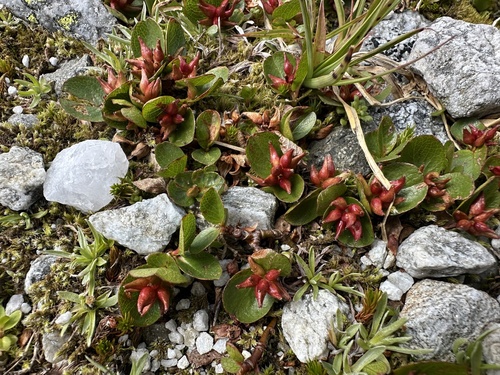
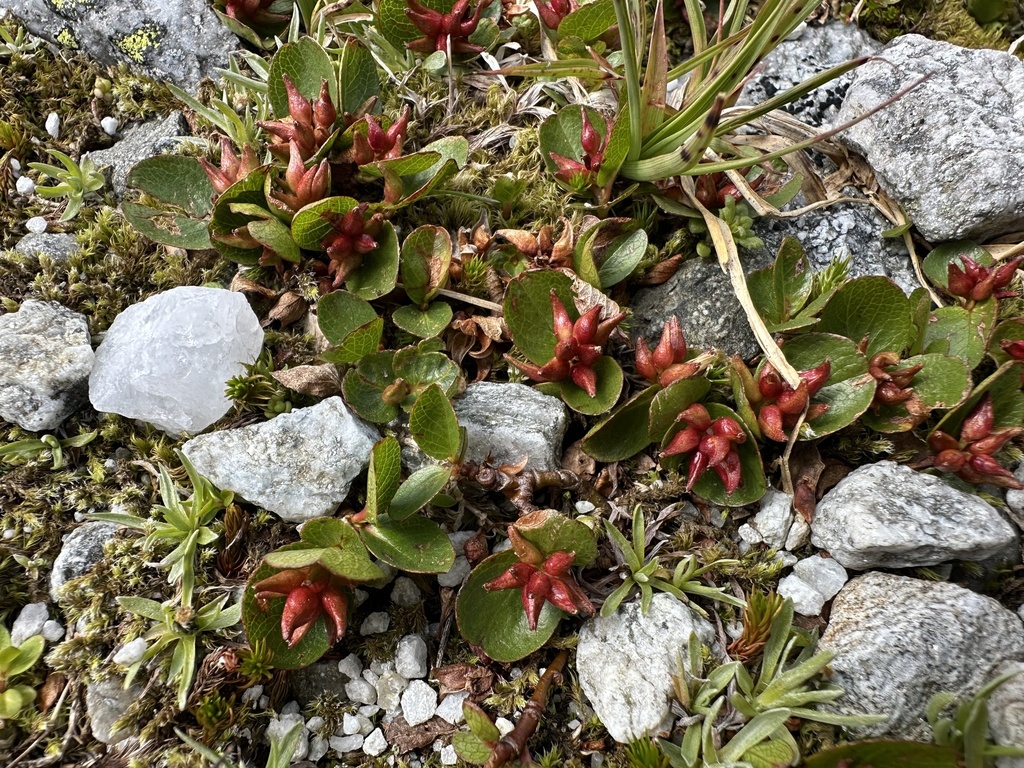
—observations
—countries
—peak records
Least ConcernConservation statusIUCN Red List categoriesLCNTVUENCREWEXLeast ConcernRed List categories, explained →
Diet & prey
- Autotrophic (Photosynthesis)
Predators
- Reindeer
- Rock Ptarmigan
- Arctic Hare
ThreatsClimate change, loss of snowbeds, tundra trampling
HabitatsArctic tundra, alpine snowbeds, rocky scree
Life span30–80 years
Size / weightNot available
Classification
- FamilySalicaceae
- SpeciesSalix herbacea
Range data is not available yet.
Interaction riskLow
- Low
- Moderate
- High
- Very high
- Why interaction risk is low
- Safe to observe at a normal distance.
- What to notice
- Recognizable by bright green rounded leaves rising only a couple centimeters above tundra soil in late snowbeds.
- Support conservation
- Observe from marked trails without stepping onto fragile snowbed vegetation mats.
Responsible observation
- Observation: Look carefully at ground level around late-melting snowdrifts to find the tiny creeping stems.
- Tread Lightly: Stay on established alpine paths, as prostrate tundra vegetation recovers very slowly from trampling.
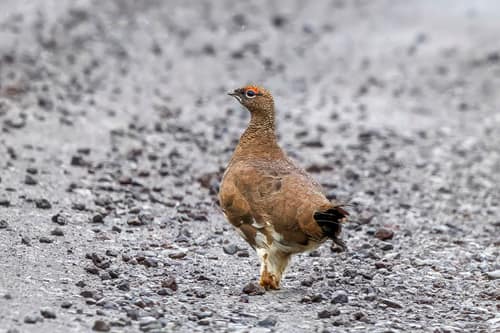
Herbivore Charles J. Sharp / CC BY-SA 4.0 · cc-by-sa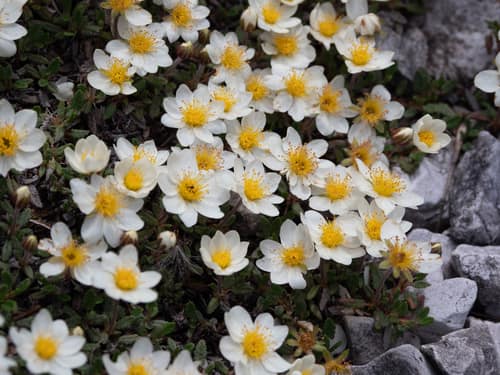
Frequent Companion (c) William Stephens, some rights reserved (CC BY), uploaded by William Stephens · cc-by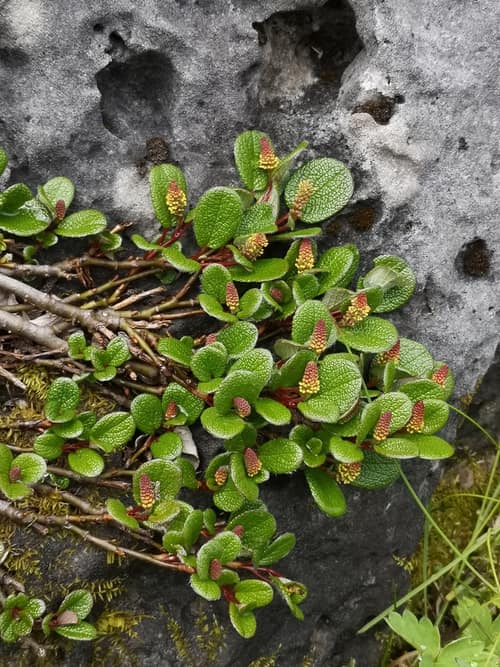
Close Relative (c) Todd Boland, some rights reserved (CC BY), uploaded by Todd Boland · cc-by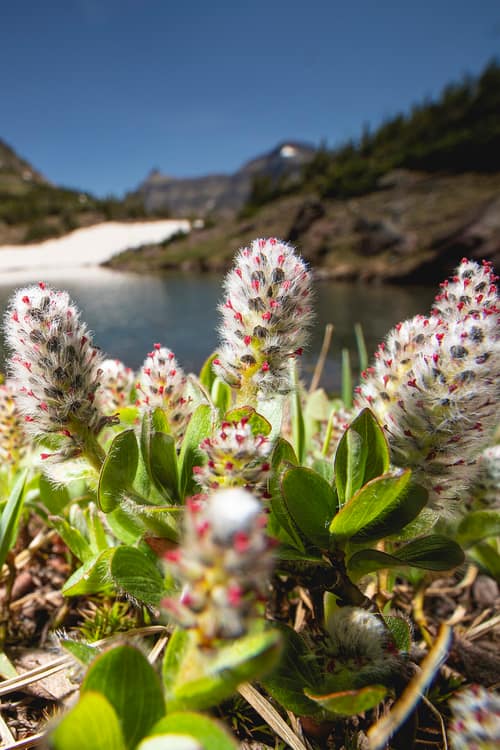
Close Relative Dani.j.lombardi / CC BY-SA 4.0 · cc-by-sa
Help improve the field guideSomething wrong?
Checking your Fauna account…Report a name, category, or profile issue for review.