
Plant
Salix bonplandiana
Salix bonplandianaAlso known as Bonpland Willow, Ahuejote
Bonpland willows anchor sensitive riparian corridors throughout Mexican highlands and desert mountain washes, extending their dense root networks deep into saturated stream banks to stabilize soils against flash flooding. Famous for their central role in the ancient Mesoamerican chinampa wetland agriculture system around the Valley of Mexico, these columnar trees provide shaded microclimates and critical nesting cover for desert birds. Their early spring catkins emerge alongside slender leaves, supplying early pollen and nectar to native bees emerging in arid riparian canyons.
RiparianFloweringDeciduous
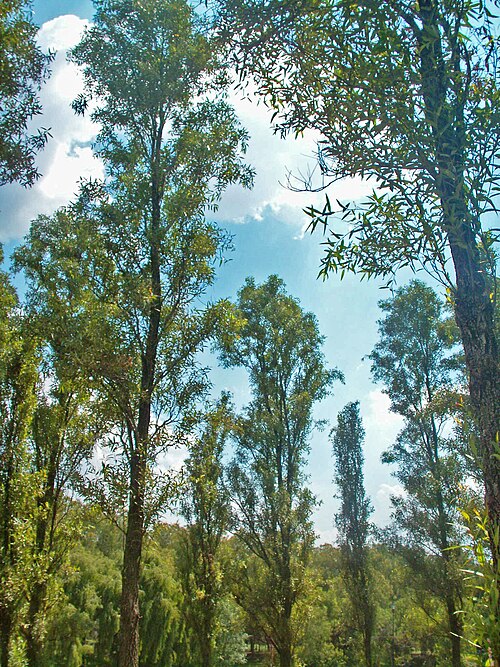
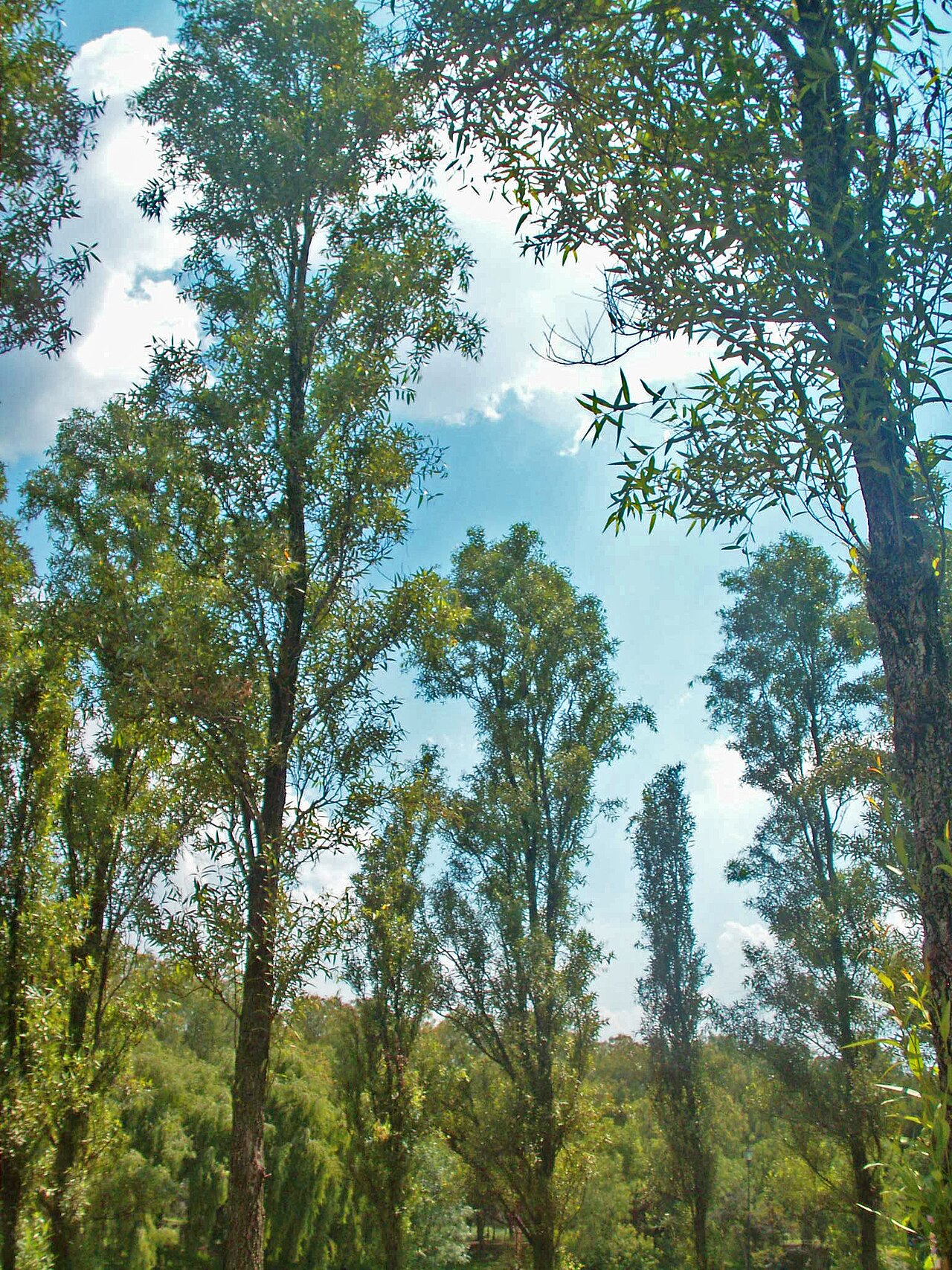
—observations
—countries
—peak records
Least ConcernConservation statusIUCN Red List categoriesLCNTVUENCREWEXLeast ConcernRed List categories, explained →
Diet & preyPhotoautotroph (synthesizes sugars via sunlight, water, and atmospheric carbon dioxide)
Predators
- Beaver
- Mule Deer
- Tent Caterpillar
ThreatsGroundwater extraction, stream channelization, severe drought, and overgrazing along waterways
HabitatsRiparian zones, canyon streams, freshwater marshes, springs, and montane wetlands
Life span40–80 years
Classification
- FamilySalicaceae
- SpeciesSalix bonplandiana
Range data is not available yet.
Interaction riskLow
- Low
- Moderate
- High
- Very high
- Why interaction risk is low
- Safe to observe at a normal distance.
Responsible observation
- Footwear Check: Wear waterproof boots when approaching, as roots generally sit in deep mud or shallow water.
- Soil Protection: Avoid trampling wet stream banks around the base, which can expose fine anchoring root systems.
- Spring Phenology: Look for slender yellowish catkins blooming between February and April to confirm identification.
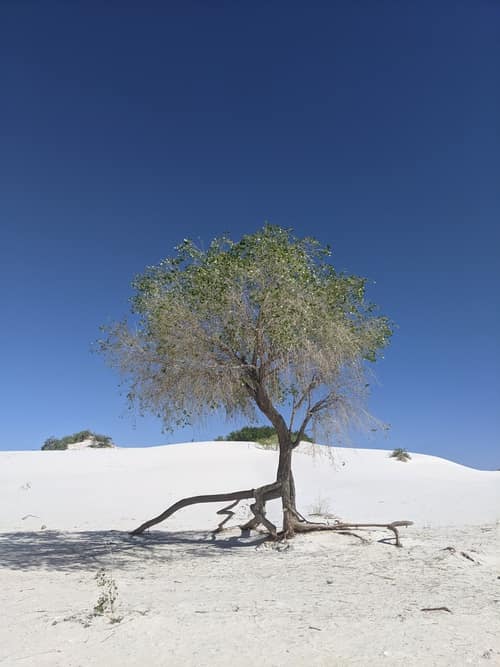
Frequent Companion (c) Daniel Z, some rights reserved (CC BY) · cc-by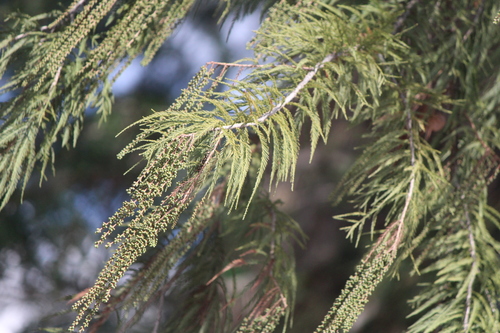
Frequent Companion (c) José Belem Hernández Díaz, some rights reserved (CC BY), uploaded by José Belem Hernández Díaz · cc-by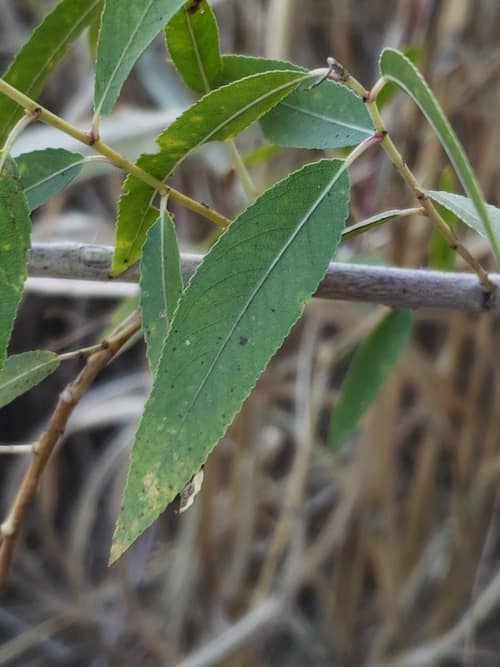
Close Relative (c) Alex Abair, some rights reserved (CC BY), uploaded by Alex Abair · cc-by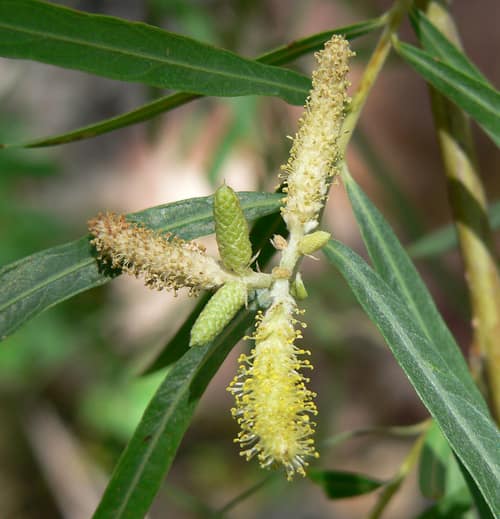
Close Relative (c) Stan Shebs, some rights reserved (CC BY-SA) · cc-by-sa
Help improve the field guideSomething wrong?
Checking your Fauna account…Report a name, category, or profile issue for review.