
Plant · GBIF taxon 5372933
Basket Willow
Salix viminalisAlso known as Common Osier, Osier, Osier Willow
Basket willows thrive along wet riverbanks, ditches, and floodplains, producing exceptionally long, straight, and supple annual shoots that make them the premier species for traditional basketry and living willow structures. Catkins erupt before the slender leaves unfurl in early spring, offering an essential burst of nectar and pollen to emerging queen bumblebees and early-flying insects. Because of its vigorous root system and rapid growth, this species is widely planted across Europe and Asia for riverbank stabilization and biofiltration of wastewater.
RiparianDeciduousFast-Growing
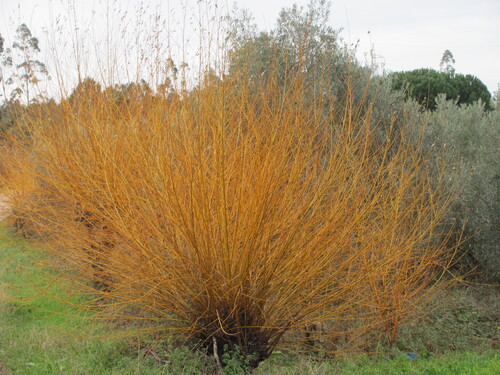
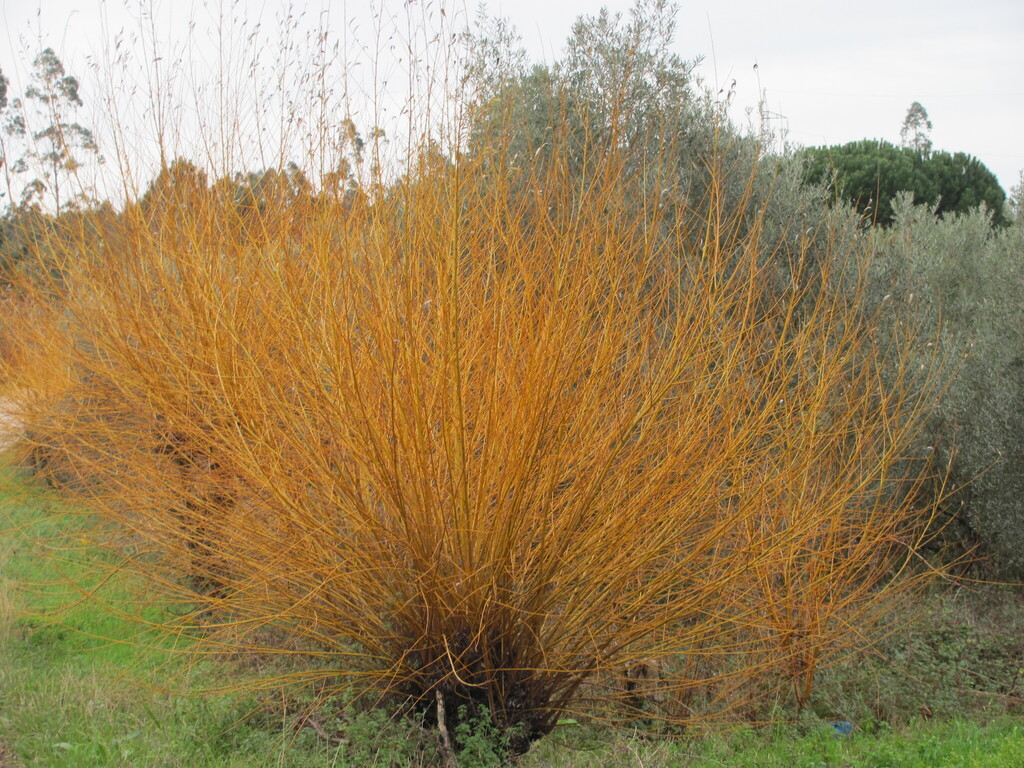
—observations
—countries
—peak records
Least ConcernConservation statusIUCN Red List categoriesLCNTVUENCREWEXLeast ConcernRed List categories, explained →
Diet & prey
- Photosynthetic autotroph
Predators
- Eurasian Beaver
- Roe Deer
- Brass Willow Leaf Beetle
ThreatsRiparian channelization, wetland drainage, fungal rusts, and willow leaf beetle outbreaks
HabitatsRiparian margins, wet ditches, floodplains, marshy woodland borders, and fen edges
Life span30–50 years (extended indefinitely through regular coppicing)
Classification
- OrderMalpighiales
- FamilySalicaceae
- GenusSalix
- SpeciesSalix viminalis
Range data is not available yet.
Interaction riskLow
- Low
- Moderate
- High
- Very high
- Why interaction risk is low
- Safe to observe at a normal distance.
Responsible observation
- Leaf Identification: Look for exceptionally long, slender leaves with distinctive rolled-down margins and silvery silky undersides.
- Spring Foraging: Observe early spring catkins to find diverse pollinating bees and hoverflies feeding in cool weather.
- Coppice Culture: Check wet lowland areas for managed stands cut to the base to yield long, flexible weaving rods.
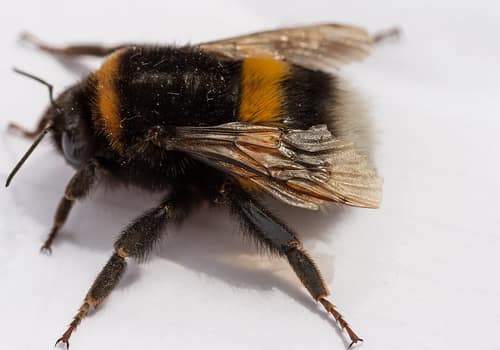
Pollinator Marco Almbauer / CC0 · cc0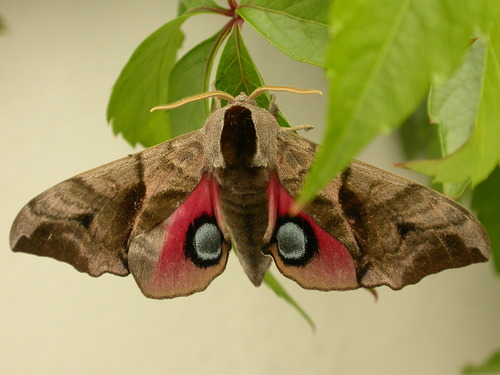
Herbivore (c) Donald Hobern, some rights reserved (CC BY) · cc-by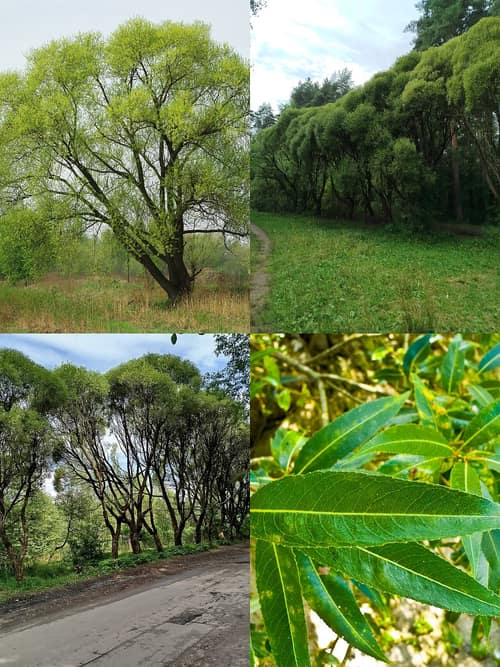
Close Relative Favasurko / CC BY-SA 3.0 · cc-by-sa Image unavailable
Close Relative
Help improve the field guideSomething wrong?
Checking your Fauna account…Report a name, category, or profile issue for review.