
Plant
Red Willow
Salix laevigataAlso known as Polished Willow
Red willow anchors stream banks and wetland margins across the arid Southwest, recognizable by its lustrous, polished twigs that glow red to yellowish brown in winter sunlight. In early spring, catkins emerge alongside slender leaves with distinctive glaucous undersides, offering an essential early nectar source for emerging native pollinators. Its extensive root networks reinforce riparian corridors against flash floods while creating shaded river habitat vital to fish and nesting songbirds.
RiparianDeciduousNative Tree
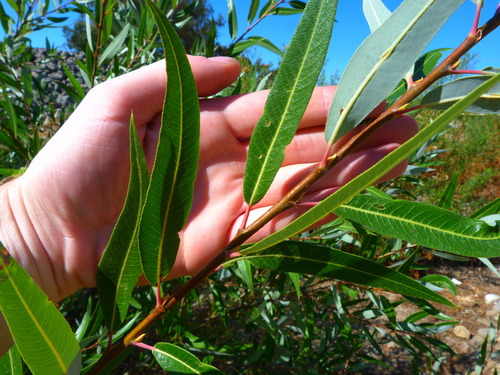
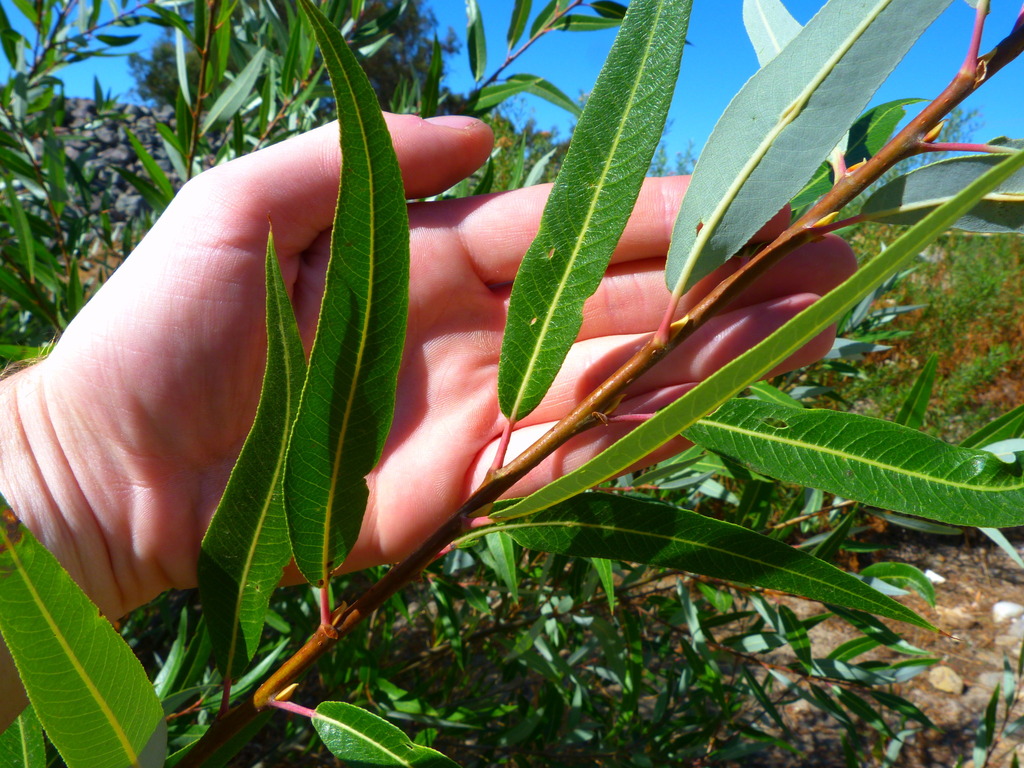
—observations
—countries
—peak records
Least ConcernConservation statusIUCN Red List categoriesLCNTVUENCREWEXLeast ConcernRed List categories, explained →
Diet & preyAutotrophic (photosynthesis)
Predators
- North American Beaver
- Mule Deer
- Willow Leaf Beetle
ThreatsGroundwater depletion, stream channelization, and invasive tamarisk competition
HabitatsStream banks, canyons, floodplains, and riparian washes
Life span40–75 years
Classification
- OrderMalpighiales
- FamilySalicaceae
- GenusSalix
- SpeciesSalix laevigata
Range data is not available yet.
Interaction riskLow
- Low
- Moderate
- High
- Very high
- Why interaction risk is low
- Safe to observe at a normal distance.
Responsible observation
- Twig Inspection: Look closely at new growth in late winter to see the glossy, reddish bark that gives the tree its name.
- Birdwatching: Search dense willow thickets during spring migration for warblers and flycatchers foraging among catkins.
- Habitat Care: Avoid trampling fragile bank edges where young saplings stabilize water channels against erosion.
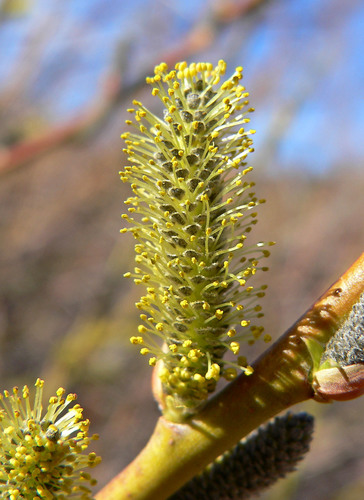
Same Genus (c) Stan Shebs, some rights reserved (CC BY-SA) · cc-by-sa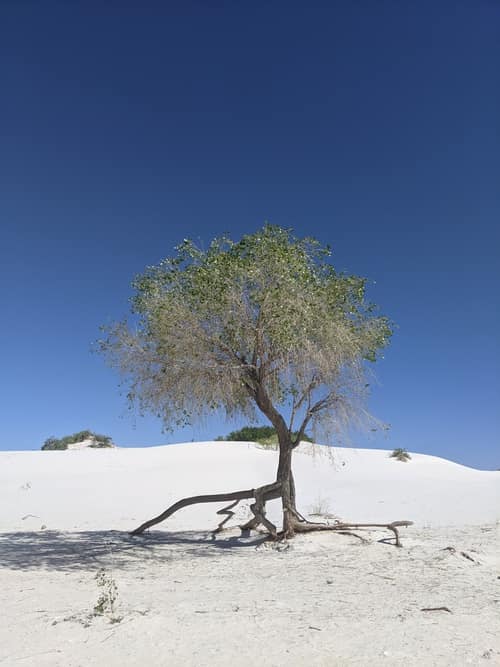
Frequent Companion (c) Daniel Z, some rights reserved (CC BY) · cc-by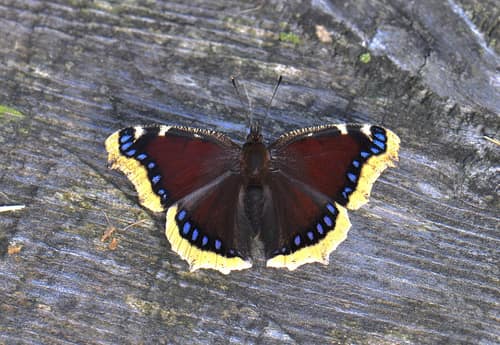
Herbivore Pavel Kirillov from St.Petersburg, Russia / CC BY-SA 2.0 · cc-by-sa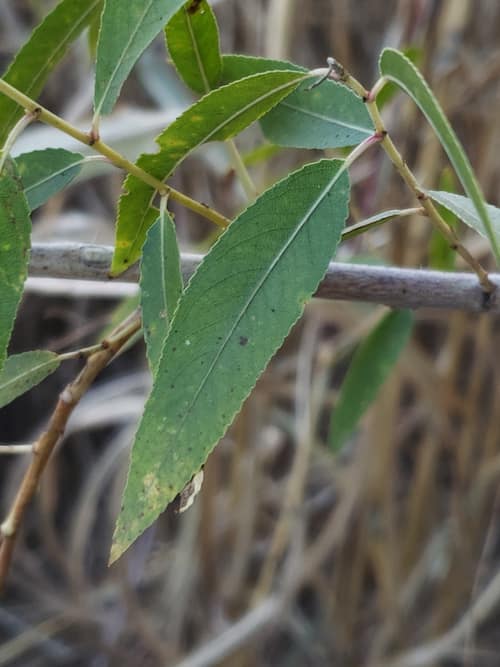
Close Relative (c) Alex Abair, some rights reserved (CC BY), uploaded by Alex Abair · cc-by
Help improve the field guideSomething wrong?
Checking your Fauna account…Report a name, category, or profile issue for review.