
Plant · GBIF taxon 5372665
Arctic Willow
Salix arcticaAlso known as Rock Willow
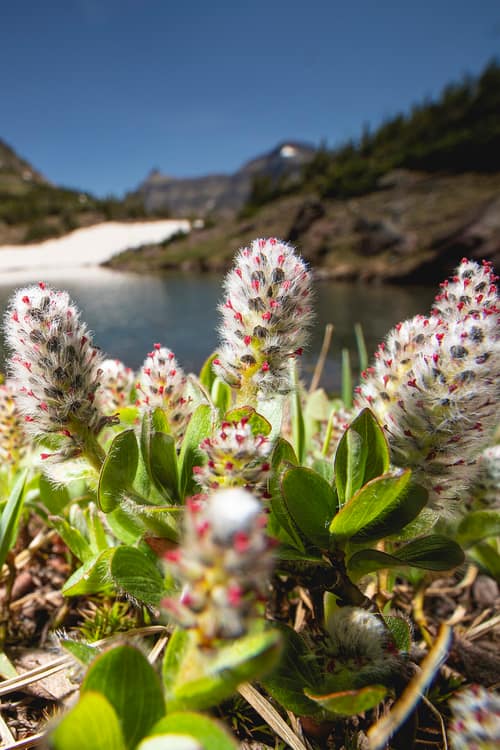
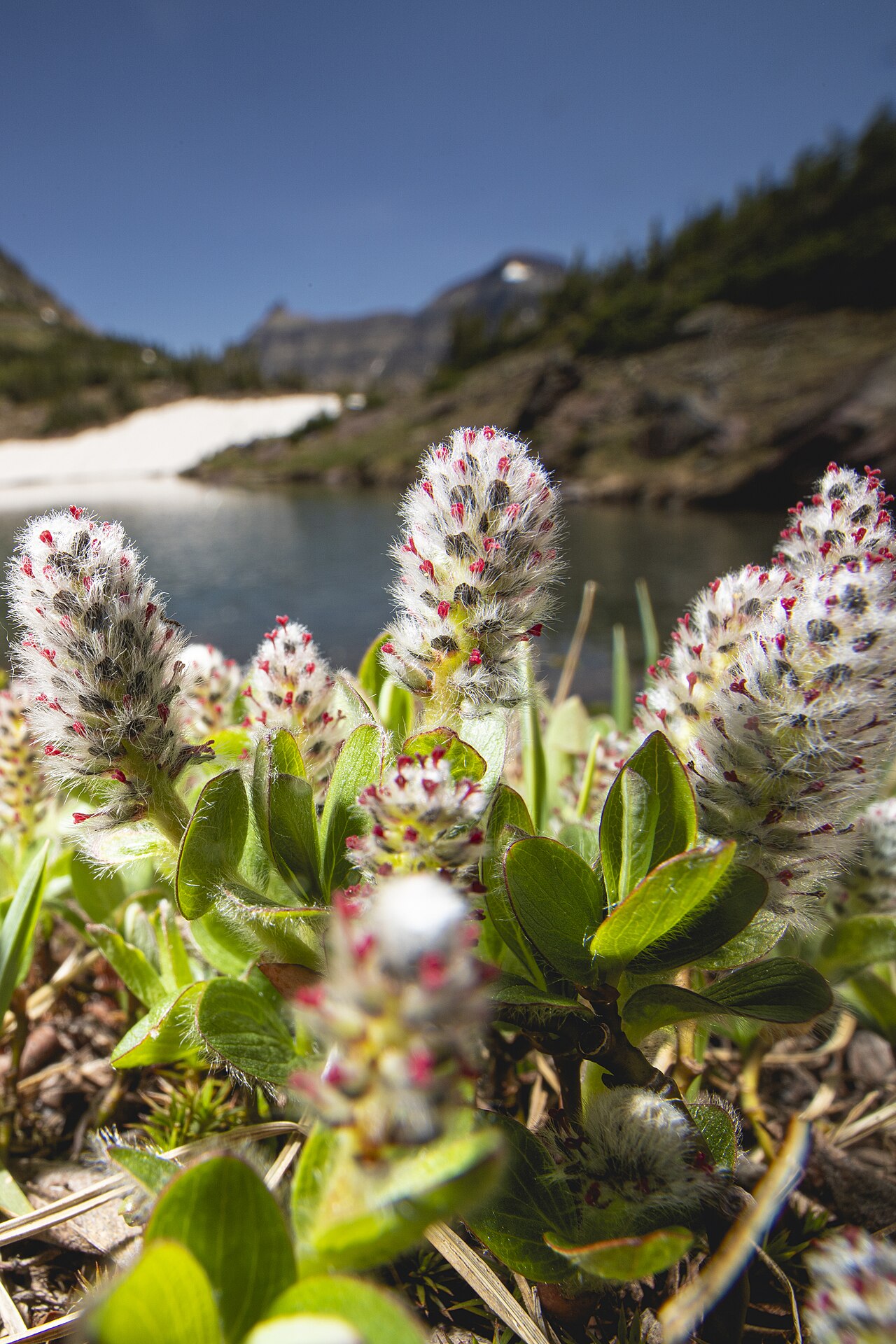
Arctic willow hugs the ground as a creeping dwarf shrub, forming expansive carpets just a few centimeters high to escape punishing polar winds. Woolly hairs on its leaves trap pockets of warm air, while bright upright catkins emerge rapidly during the brief northern summer. Its extensive root network anchors loose tundra soil while providing an essential food source for arctic herbivores.
ArcticFloweringDwarf Shrub
—observations
—countries
—peak records
Least ConcernConservation statusIUCN Red List categoriesLCNTVUENCREWEXLeast ConcernRed List categories, explained →
Diet & prey
- Autotrophic (Photosynthetic)
Predators
- Arctic Hare
- Muskox
- Caribou
ThreatsClimate change, habitat warming
HabitatsArctic tundra, rocky ridges, gravel river beds
Life spanUp to 230 years
Size / weightNot available
Classification
- OrderMalpighiales
- FamilySalicaceae
- GenusSalix
- SpeciesSalix arctica
Range data is not available yet.
Interaction riskLow
- Low
- Moderate
- High
- Very high
- Why interaction risk is low
- Safe to observe at a normal distance.
- What to notice
- Forms flat, creeping woody mats with glossy, hairy leaves hugging arctic gravel and moss.
- Support conservation
- Observe from established trails or bare rocks to avoid stepping on sensitive tundra vegetation.
Responsible observation
- Spotting Catkins: Search for upright fuzzy flower spikes standing above trailing mats in early summer.
- Tundra Etiquette: Tread carefully on rocky paths to avoid trampling fragile, slow-growing tundra mats.
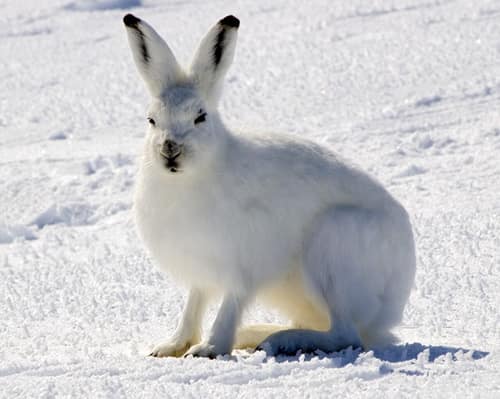
Predator Steve Sayles from Rankin Inlet, Nunavut, Canada / CC BY-SA 2.0 · cc-by-sa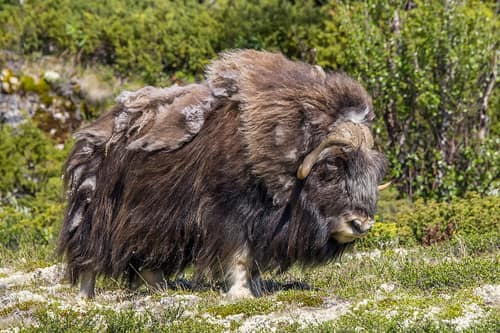
Predator Charles J. Sharp / CC BY-SA 4.0 · cc-by-sa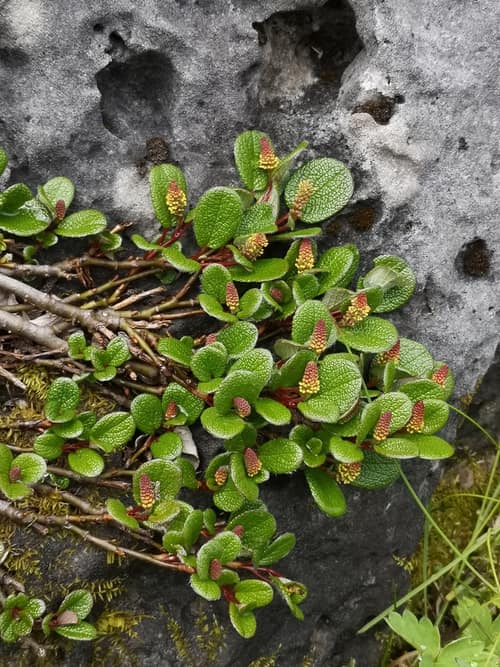
Close Relative (c) Todd Boland, some rights reserved (CC BY), uploaded by Todd Boland · cc-by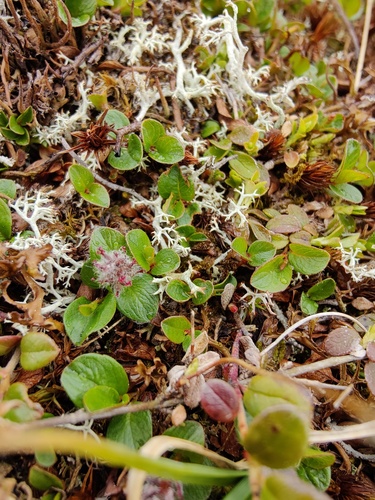
Close Relative no rights reserved · cc0
Help improve the field guideSomething wrong?
Checking your Fauna account…Report a name, category, or profile issue for review.