
Plant
Weeping Willow
Salix babylonicaAlso known as Peking Willow, Babylon Willow
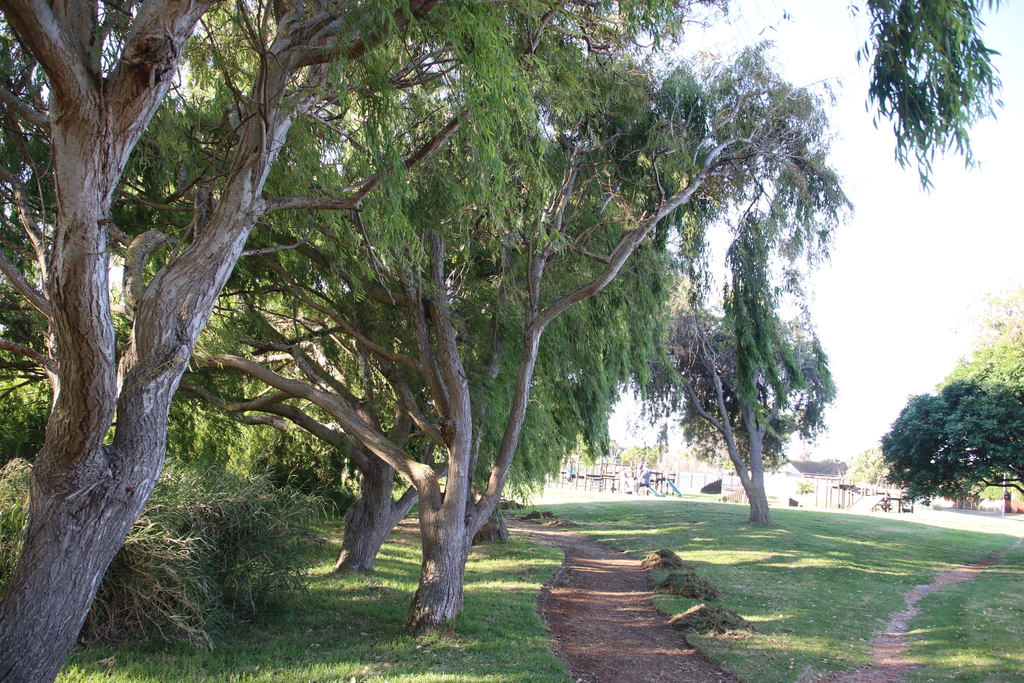
Weeping willows drape slender, flexible branches toward the earth, forming sweeping green canopies that frequently brush against rivers and pond surfaces. Their aggressive, moisture-seeking root systems stabilize shoreline soils while providing shade and shelter for aquatic life. Spring brings tiny, yellow-green catkins that bloom alongside emerging leaves, attracting early-season pollinators.
DeciduousRiparianWater-Loving

—observations
—countries
—peak records
Data DeficientConservation statusIUCN Red List categoriesLCNTVUENCREWEXData Deficient — not placed on the risk ladderRed List categories, explained →
Diet & preySunlight, Water, Soil Minerals
Predators
- Eurasian Beaver
- Willow Leaf Beetle
- Mourning Cloak Caterpillar
ThreatsFungal blights, willow leaf rust, stem cankers, severe drought
HabitatsRiverbanks, lake margins, wetlands, moist parks
Life span40–75 years
Classification
- OrderMalpighiales
- FamilySalicaceae
- GenusSalix
- SpeciesSalix babylonica
Range data is not available yet.
Interaction riskLow
- Low
- Moderate
- High
- Very high
- Why interaction risk is low
- Safe to observe at a normal distance.
Responsible observation
- Observation: Look for gracefully drooping branches reaching all the way to water surfaces.
- Planting Location: Keep far away from underground plumbing due to aggressive, moisture-seeking roots.
- Seasonal Viewing: Watch for early spring catkins appearing before or alongside narrow green leaves.

Herbivore Per Harald Olsen / CC BY-SA 3.0 · cc-by-sa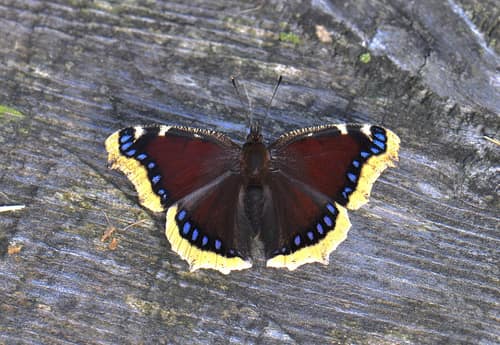
Host Plant Consumer Pavel Kirillov from St.Petersburg, Russia / CC BY-SA 2.0 · cc-by-sa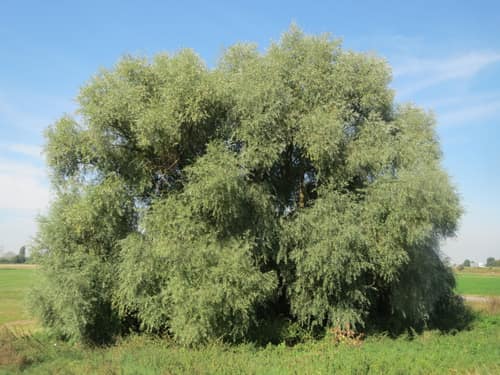
Close Relative (c) Andreas Rockstein, some rights reserved (CC BY-SA) · cc-by-sa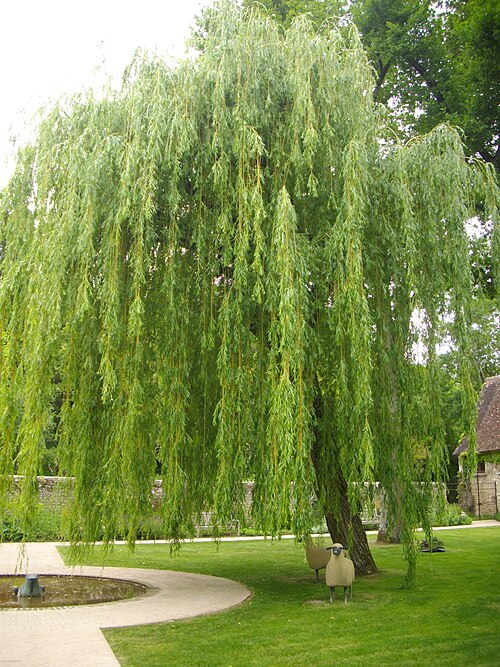
Close Relative Fab5669 / CC BY-SA 4.0 · cc-by-sa
Help improve the field guideSomething wrong?
Checking your Fauna account…Report a name, category, or profile issue for review.